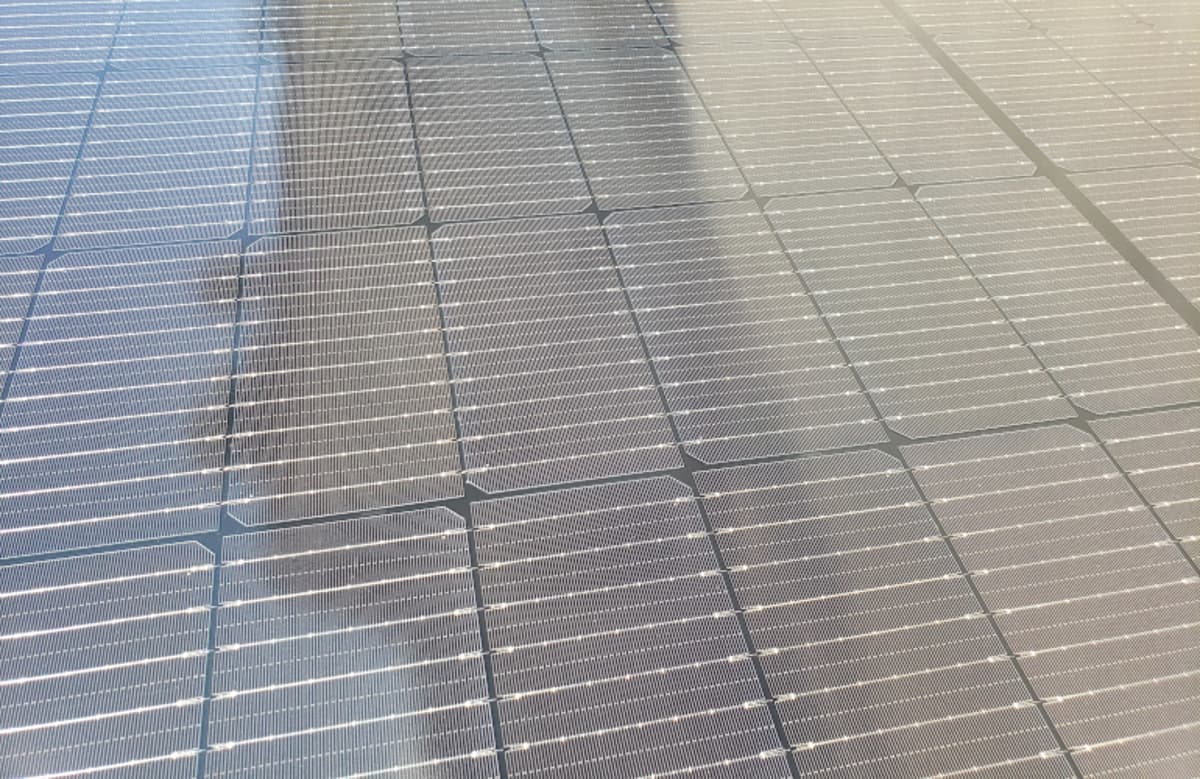
Illinois County Courthouse Cuts Ribbon on 1.3-MW Solar Project
Why It Matters
The installation demonstrates how large local governments can accelerate decarbonization while cutting energy expenses, setting a replicable model for municipalities nationwide.
Key Takeaways
- •Skokie courthouse adds 1.3 MW rooftop and parking‑lot solar
- •Cook County aims for 32% renewable electricity after 17 projects
- •Clean Energy Plan targets 45% GHG cut by 2030, carbon‑neutral by 2050
- •Rebates and efficiency upgrades boost cost savings beyond on‑site generation
Pulse Analysis
Local governments are increasingly turning to solar to meet climate mandates and tighten budgets, and Cook County’s latest project illustrates that trend. The 1.3‑MW system at the Skokie courthouse, combined with an 806‑kW array at the Markham facility, represents the first wave of installations under the county’s 2020 Clean Energy Plan. By leveraging federal and state rebates, the county not only captures clean power but also secures substantial financial incentives that improve the project’s return on investment. These installations are complemented by a suite of energy‑efficiency measures—LED lighting, boiler upgrades, and advanced building controls—that together amplify the overall reduction in utility spend.
The solar rollout is a cornerstone of Cook County’s ambition to source 100% of its electricity from renewables by 2030. With 17 additional solar projects slated for completion, the county projects renewable generation will cover roughly one‑third of its total electricity demand, up from the current 52.7% emissions cut already recognized by the National Association of Counties. The cumulative capacity target of 14.2 MW on government‑owned sites underscores a strategic shift from reliance on external power purchases to on‑site generation, aligning with the broader Midwest push toward decarbonization.
Beyond the immediate environmental benefits, Cook County’s approach offers a template for other jurisdictions seeking to balance climate goals with fiscal responsibility. The blend of direct solar investment, incentive capture, and parallel efficiency upgrades creates a multi‑pronged pathway to lower operating costs while meeting aggressive greenhouse‑gas reduction targets—45% below 2010 levels by 2030 and full carbon neutrality by 2050. As municipalities across the United States grapple with rising energy prices and tightening emissions regulations, Cook County’s progress signals that ambitious renewable targets are achievable without sacrificing budgetary discipline.
Illinois county courthouse cuts ribbon on 1.3-MW solar project
Comments
Want to join the conversation?
Loading comments...