India's Data Center Boom a Bottomless Pit
Companies Mentioned
Why It Matters
The boom creates a strategic digital advantage for India but threatens water and power security, making sustainable infrastructure a prerequisite for long‑term economic growth.
Key Takeaways
- •India expects >$100 bn data‑centre investment by 2027
- •Capacity target 10 GW by 2030, 8 GW renewable‑focused
- •AI‑driven racks could triple power use, stressing grid and water
- •Zero‑water liquid immersion cooling deemed national imperative
- •Policy encourages renewable power, open‑access grids, and green‑IT standards
Pulse Analysis
India’s data‑centre explosion is a direct response to the convergence of AI, 5G rollout and stringent data‑localisation policies. Investors are pouring capital into the sector, with forecasts of more than $100 billion in spend by 2027 and a capacity ambition of 10 GW by 2030. This rapid scaling translates into a projected 40 TWh of additional electricity demand, enough to lift the country’s overall power consumption share to nearly 3 percent. While the Union Budget 2026‑27 offers tax holidays until 2047 and mandates renewable‑energy integration, the sheer magnitude of power and cooling needs raises red flags for grid stability and water availability.
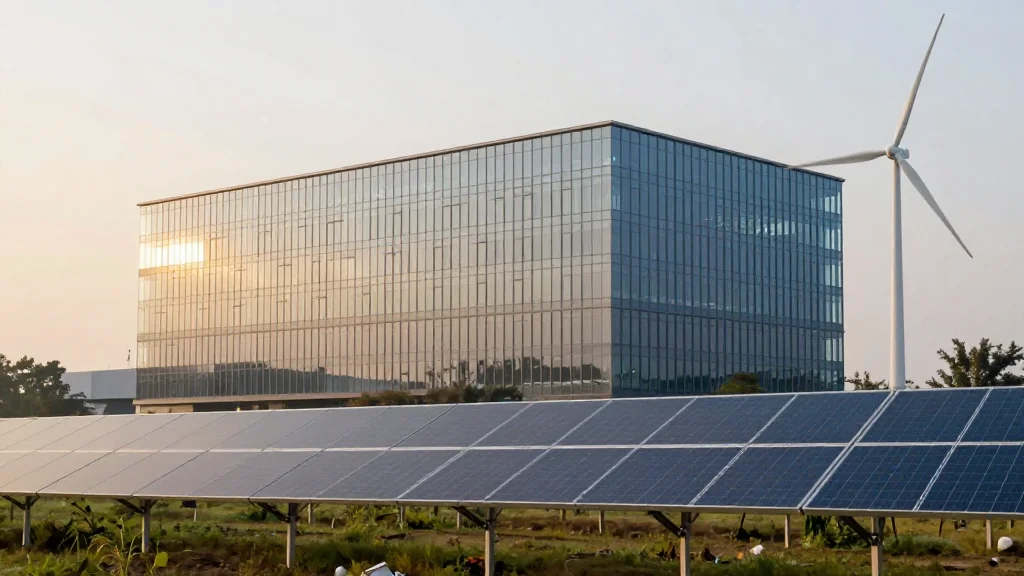
The resource pressure is acute. Traditional air‑cooled and chilled‑water systems consume vast volumes of groundwater—up to 68,500 litres per megawatt each day—exacerbating shortages in already stressed megacities like Delhi, Bengaluru and Mumbai. AI‑intensive workloads push rack densities from 5‑10 kW to 30‑80 kW, potentially tripling power draw per rack. Industry voices, from Submer’s Anupam Shrivastava to PwC’s Vinish Bawa, champion zero‑water liquid immersion cooling and renewable‑powered sites as non‑negotiable solutions. Projects such as the Adani‑Google Visakhapatnam facility illustrate a hybrid model that pairs clean‑energy generation, transmission upgrades and battery storage with high‑density compute.
Policy momentum is building around green‑IT standards, open‑access renewable procurement and streamlined utility approvals. Tax incentives, renewable‑banking norms and incentives for captive solar or wind farms aim to lower the 60‑70 % electricity cost component of data‑centre operations. As India seeks sovereign AI capabilities through initiatives like IndiaAI and BharatGen, the sector’s sustainability will determine whether the country can host world‑class hyperscale facilities without compromising its water and energy security. For global investors, the emerging regulatory framework and abundant renewable potential position India as a compelling, albeit complex, frontier for green data‑centre expansion.
India's data center boom a bottomless pit
Comments
Want to join the conversation?
Loading comments...