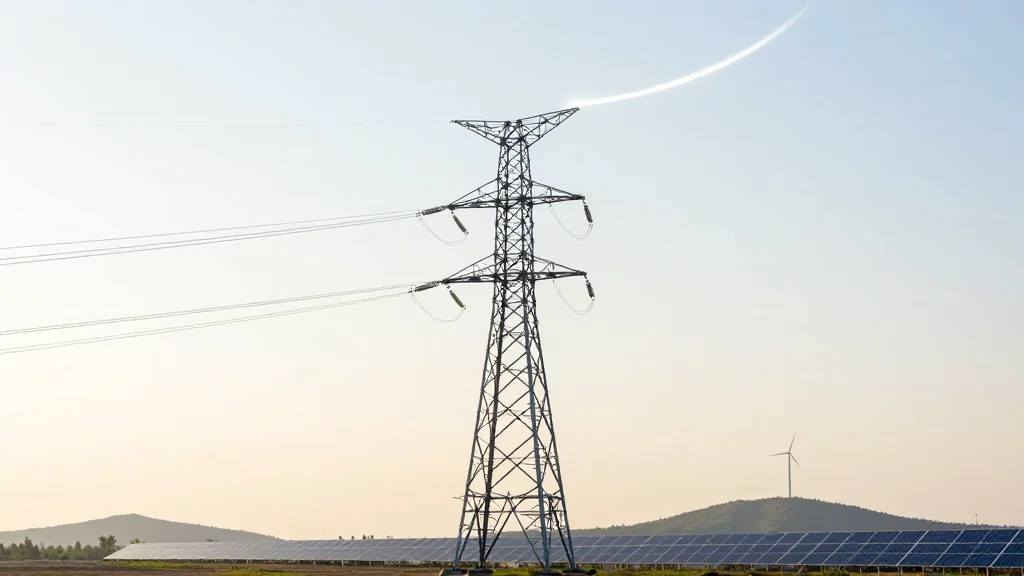
ISO New England Trims 10-Year Forecast Based on Electrification Outlook
Why It Matters
The moderated load growth eases immediate capacity concerns but signals a lasting shift toward electrified heating and transportation, reshaping investment priorities for utilities and grid planners across New England.
Key Takeaways
- •New England electricity use projected 9% rise by 2035 (~0.9%/yr).
- •Winter and summer peaks expected to equalize near 26.5 GW by 2035.
- •Heat‑pump adoption adds ~5,500 MW to 2035 winter peak; EVs add ~1,500 MW.
- •Behind‑the‑meter solar will reduce 2035 winter peak by about 316 MW.
- •ISO cut 10‑year growth outlook from 17% to 11% after policy changes.
Pulse Analysis
ISO New England’s 2026‑2035 Capacity, Energy, Loads, and Transmission (CELT) report marks a pivotal update to the region’s electricity outlook. While total energy consumption is slated to climb 9% over ten years—reaching 127,660 GWh in 2035—the growth rate has been scaled back from earlier projections that anticipated a 17% surge by 2033. The revision stems from more conservative assumptions about electric‑vehicle (EV) uptake and heat‑pump installations after the phase‑out of federal tax credits and recent adjustments to state clean‑energy policies. This tempered forecast underscores the sensitivity of load modeling to incentive structures.
The most striking shift is the emergence of a dual‑peaking load profile. Historically, New England’s system peaked in the summer, but the CELT report predicts winter and summer peaks will align near 26.5 GW by 2035, essentially creating a year‑round capacity ceiling. Heating electrification alone is expected to contribute roughly 5,500 MW to the winter peak, while EV charging adds another 1,500 MW. Utilities and transmission operators must therefore reassess resource adequacy, considering both seasonal demand spikes and the need for flexible generation or storage solutions to maintain reliability.
Behind‑the‑meter solar generation offers a modest but meaningful counterbalance, projected to shave about 316 MW from the 2035 winter peak. As rooftop and community solar installations continue to expand, their localized output can alleviate stress on the bulk system during cold, sunny days. However, the overall impact remains limited compared with the magnitude of heating‑driven load growth. Policymakers and investors should monitor the evolving incentive landscape, as renewed subsidies could accelerate EV and heat‑pump adoption, further reshaping New England’s load curve and prompting additional upgrades to transmission and storage infrastructure.
ISO New England trims 10-year forecast based on electrification outlook
Comments
Want to join the conversation?
Loading comments...