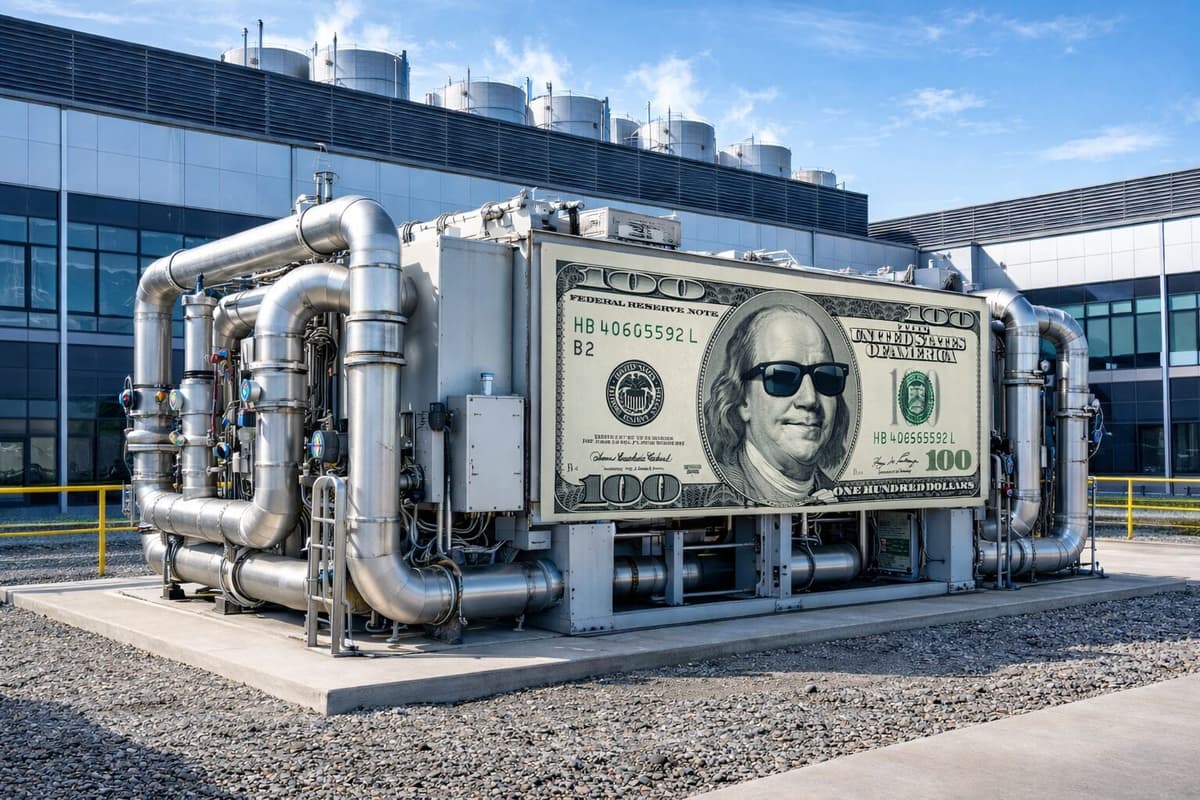
Keeping Cool: CHP Systems and Absorption Chillers Are a Winning Combo for Data Center Developers
•March 2, 2026
0
Why It Matters
By slashing electricity use for cooling, the CHP‑absorption combo cuts operating costs, improves resilience, and advances sustainability goals for data centers.
Key Takeaways
- •CHP captures waste heat for on-site power generation
- •Absorption chillers use heat, cutting electric cooling demand
- •Combined system cuts OPEX by ~80% in case study
- •Reduces peak grid load and improves outage resilience
- •Enhances data center carbon footprint by ~9%
Pulse Analysis
The rapid expansion of artificial‑intelligence workloads is driving an unprecedented surge in data‑center construction, and with it a mounting cooling challenge. Traditional electric chillers consume large amounts of grid power, especially during peak demand periods, inflating operational expenses and exposing facilities to volatile electricity tariffs. Moreover, the thermal load of densely packed servers contributes significantly to a data center’s overall carbon footprint, prompting operators to seek more efficient, low‑emission cooling solutions.
Microgrids offer a flexible platform for integrating diverse energy assets, and the synergy between Combined Heat and Power (CHP) systems and absorption chillers is emerging as a best‑practice for cooling‑intensive sites. CHP units generate electricity on‑site while harvesting waste heat that would otherwise be discarded. Absorption chillers then convert this heat into cooling capacity, eliminating the need for electric compressors and reducing the facility’s electricity intensity. This configuration not only lowers peak demand charges but also provides continuous 24/7 cooling, even during grid outages, enhancing operational resilience.
Economic analyses underscore the financial upside of this approach. A multi‑year model of a Santa Clara data center projected nearly 80% OPEX savings and an 8.7% emissions reduction after deploying CHP with absorption chillers alongside other distributed energy resources. These gains stem from reduced utility purchases, lower peak‑demand penalties, and the avoidance of costly retrofits. For developers, incorporating cooling‑centric microgrid designs translates into stronger ROI, greater energy independence, and a competitive edge in a market where sustainability and cost efficiency are increasingly decisive factors.
Keeping cool: CHP systems and absorption chillers are a winning combo for data center developers
0
Comments
Want to join the conversation?
Loading comments...