Kevin O'Leary Says Opponents of His Utah Data Center Are 'Professional Protesters' — and some Are Powered by AI
Why It Matters
The approval underscores the growing tension between rapid AI‑driven data‑center expansion and local environmental concerns, while O'Leary’s accusations raise questions about protest authenticity in the digital age.
Key Takeaways
- •O'Leary's Utah data center approved despite protests.
- •Project will consume ~9 GW, double Utah's current energy use.
- •O'Leary says over 90% protesters are non‑locals, some AI‑generated.
- •Facility will use natural gas, solar, wind, plus advanced batteries.
Pulse Analysis
The United States is witnessing an unprecedented surge in data‑center construction as artificial‑intelligence workloads multiply, and the western states have become prime real estate because of cheap land and renewable‑energy potential. Utah, with its expansive desert terrain and relatively low electricity rates, has attracted several developers seeking to host the massive server farms that power large‑language models and cloud services. However, each megawatt of compute translates into significant electricity demand, water usage for cooling, and heat emissions, prompting local officials and residents to scrutinize the environmental footprint of such projects.
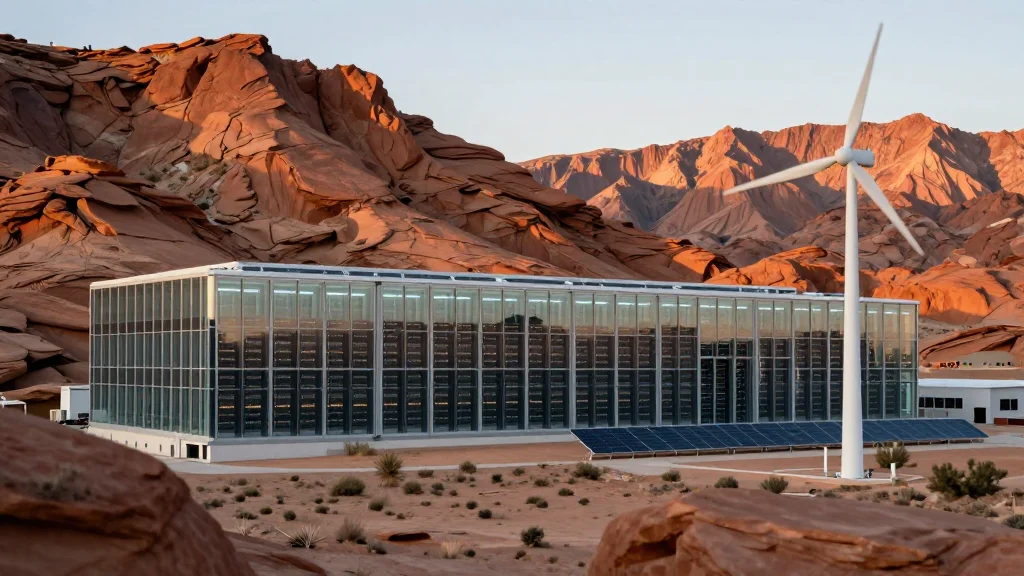
Kevin O'Leary’s Stratos project epitomizes this clash. Spanning 40,000 acres, the multibillion‑dollar venture plans a 9‑gigawatt power draw—enough to exceed Utah’s total consumption twice over—while pledging a hybrid mix of natural‑gas supplied by the Ruby Pipeline, solar and wind generation, and battery storage that O'Leary claims is ten times more efficient than five years ago. Despite unanimous board approval, O'Leary labeled the demonstrators as “professional protesters,” asserting that over 90% are non‑locals and that much of the social‑media criticism is generated by AI bots.
The episode highlights two broader industry trends. First, developers are increasingly marketing sustainability features to offset community resistance, yet the sheer scale of power needs often dwarfs those assurances, inviting stricter regulatory reviews. Second, the accusation that protest narratives are being amplified by artificial intelligence reflects a growing awareness of how AI can manipulate public discourse, a concern that could reshape how companies engage with stakeholders. As AI workloads continue to expand, the balance between rapid infrastructure rollout and genuine environmental stewardship will become a decisive factor for investors and policymakers alike.
Kevin O'Leary says opponents of his Utah data center are 'professional protesters' — and some are powered by AI
Comments
Want to join the conversation?
Loading comments...