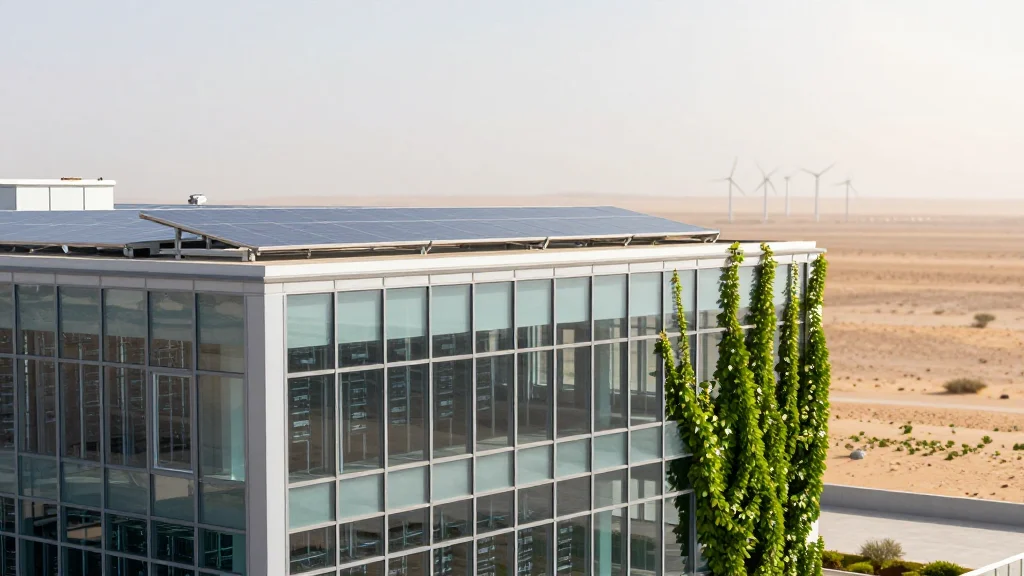
Khazna’s DXB8 Dubai Earns World’s First Zero‑Waste Certification (99.55% Diverted)

Why It Matters
The certification signals a shift in how the climate‑tech sector evaluates the sustainability of digital infrastructure. By quantifying waste diversion and embedding it in a third‑party standard, Khazna provides investors, regulators, and customers with a tangible metric that complements energy‑efficiency scores. This dual focus on carbon and waste aligns with broader ESG frameworks and could accelerate the adoption of circular‑economy practices across the data‑center ecosystem. For the UAE, the achievement reinforces the nation’s ambition to become a hub for responsible AI development. It demonstrates that rapid digital growth can coexist with stringent environmental stewardship, offering a template for other emerging markets seeking to balance economic diversification with climate commitments.
Key Takeaways
- •Khazna’s DXB8 data centre achieved Zero Waste Certification, diverting 99.55% of operational waste.
- •Certification was granted by SCS Global Services after a 12‑month third‑party audit.
- •The audit excluded tenant IT waste but covered all other facility‑generated waste streams.
- •Elisabetta Baronio, Director – ESG at Khazna, highlighted operational discipline and supply‑chain partnerships as key drivers.
- •The milestone positions Dubai as a leader in sustainable AI‑ready infrastructure and may influence global data‑center ESG standards.
Pulse Analysis
Khazna’s breakthrough illustrates how data‑center operators can transform waste management from a peripheral concern into a core competitive advantage. Historically, the sector has focused on power‑usage effectiveness (PUE) as the primary sustainability KPI, but waste diversion now emerges as an equally compelling lever for cost reduction and brand differentiation. By achieving a 99.55% diversion rate, Khazna not only reduces landfill fees but also unlocks secondary revenue streams through material resale and recycling partnerships.
The broader market is likely to respond with heightened demand for third‑party certifications that verify circular‑economy performance. Asset managers with ESG mandates will increasingly require such proof before allocating capital, while governments may embed zero‑waste criteria into licensing frameworks for new facilities. In this environment, early adopters like Khazna can command premium pricing for their services and attract high‑profile AI tenants seeking to meet their own sustainability pledges.
Looking ahead, the real test will be scalability. As AI workloads intensify, waste volumes will rise, and maintaining near‑perfect diversion will demand sophisticated logistics and continuous innovation. If Khazna can replicate its DXB8 model across its global portfolio, it could set a new industry baseline, compelling competitors to invest in waste‑reduction technologies or risk losing market share to greener alternatives. The ripple effect may ultimately reshape the climate‑tech narrative, positioning waste stewardship alongside renewable energy as a pillar of responsible digital growth.
Khazna’s DXB8 Dubai Earns World’s First Zero‑Waste Certification (99.55% Diverted)
Comments
Want to join the conversation?
Loading comments...