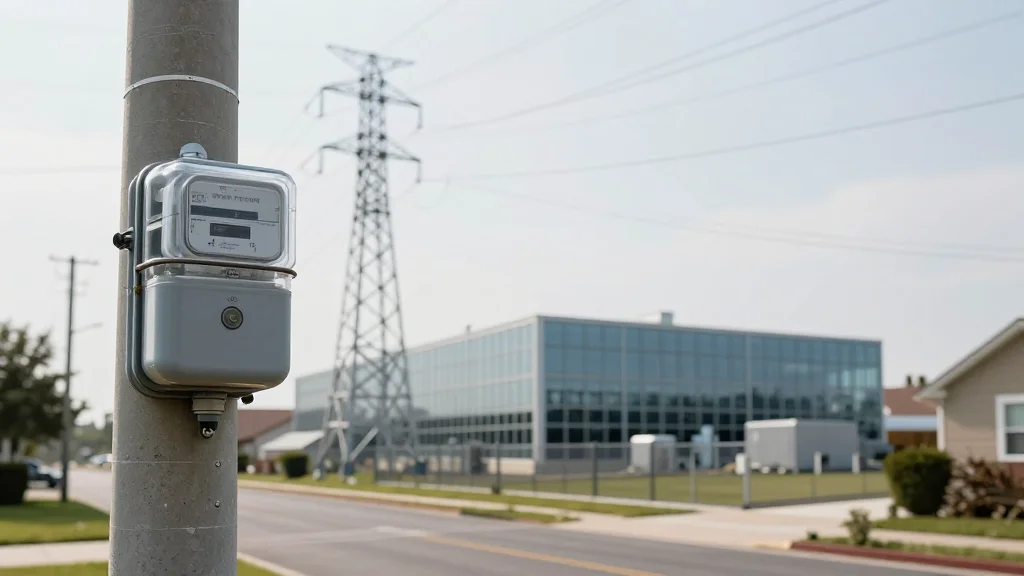
Maryland Lawmakers Back Data Center Transmission Cost Complaint at FERC
Companies Mentioned
Why It Matters
If upheld, the complaint could force PJM to redesign its cost‑allocation rules, shielding Maryland consumers from subsidizing transmission built for distant data centers and setting a precedent for other regional grids facing similar load‑growth pressures.
Key Takeaways
- •Maryland lawmakers urge FERC to revisit PJM’s cost allocation.
- •$1.6 B transmission costs could hit Maryland ratepayers over ten years.
- •PJM’s methodology spreads data‑center costs to states without benefits.
- •Proposed reforms target zone‑specific billing for data‑center transmission.
- •FERC comment deadline extended to July 27, 2026.
Pulse Analysis
The surge in data‑center construction across the Mid‑Atlantic has reignited a long‑standing debate over who should foot the bill for the transmission upgrades that enable these power‑hungry facilities. While PJM Interconnection’s current framework spreads the cost of new lines across all its members based on load ratios and a solution‑based factor, critics argue that this approach assumes uniform benefit—a premise that falls apart when projects are designed almost exclusively for out‑of‑state loads. Maryland, sitting adjacent to Virginia’s so‑called Data Center Alley, finds its residential and commercial customers shouldering a disproportionate share of a $1.6 billion expense forecast for the next ten years.
The complaint lodged by the Office of People’s Counsel highlights two technical flaws in PJM’s methodology. First, the half‑share load‑ratio model treats all regional load as equally deserving of new capacity, ignoring the localized reliability constraints that data centers impose. Second, the solution‑based distribution factor fails to capture the incremental strain on the grid, leading to potential overbuilding and stranded‑asset risk. By socializing these costs, states that attract speculative load growth effectively receive a subsidy, while neighboring jurisdictions like Maryland bear the financial fallout without corresponding reliability gains.
FERC’s decision on the matter could reshape how regional transmission organizations allocate costs in an era of concentrated, high‑intensity loads. A shift toward zone‑specific billing would compel data‑center operators to internalize the transmission upgrades they trigger, aligning incentives and potentially curbing unnecessary expansion. Beyond Maryland, the outcome may influence other RTOs grappling with similar challenges, prompting a broader reevaluation of cost‑allocation principles to ensure that the entities driving grid upgrades also bear their fair share of the expense.
Maryland lawmakers back data center transmission cost complaint at FERC
Comments
Want to join the conversation?
Loading comments...