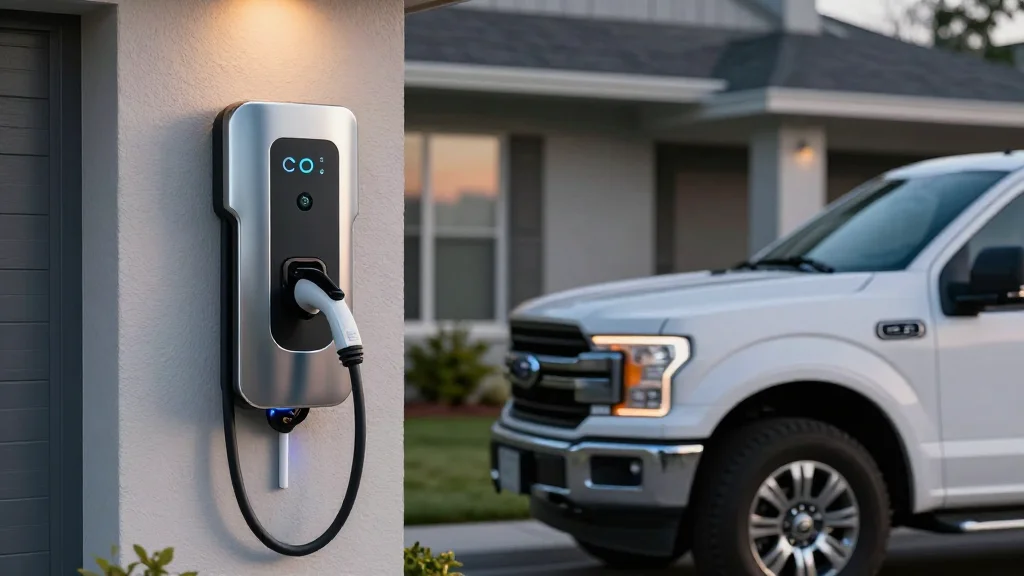
Massachusetts ‘Vehicle-to-Everything’ Demonstration Hints at EV Batteries’ Grid Potential
Why It Matters
The demonstration proves that EV batteries can serve as valuable grid resources, creating new revenue streams and accelerating V2G adoption across residential and public fleets. Successful scaling could reshape demand‑response strategies and reduce reliance on traditional stationary storage.
Key Takeaways
- •Massachusetts installs 70‑80 bidirectional chargers by summer
- •School buses can earn up to $12,000 annually via V2G
- •Program funded partly by $50 million ARP grant
- •Eligible EVs include Ford F‑150 Lightning and Nissan Leaf
- •Utilities aim to balance grid needs with vehicle owner usage
Pulse Analysis
Bidirectional charging, often called vehicle‑to‑grid (V2G), is moving from niche pilots to mainstream deployments, and Massachusetts’ latest effort underscores that shift. The state’s two‑year demonstration, supported by a $50 million allocation from the American Rescue Plan, equips over 45 residents, five school districts and four municipalities with chargers that can both draw from and feed power back to the grid. By targeting popular consumer models—Ford’s F‑150 Lightning, Nissan’s Leaf, Kia’s EV9, Volvo’s EX90 and Polestar 3—the program ensures a broad technology base, while also testing five electric school‑bus models that could become pivotal grid assets.
Economic incentives are at the heart of the pilot’s appeal. Early results show residential participants could pocket roughly $3,000 each summer by providing demand‑response services, a figure that rivals typical home solar incentives. Electric school buses, with larger batteries and predictable idle periods, have demonstrated even higher returns: a single bus in a prior test generated $23,500 over two summers, and current projections suggest up to $12,000 annually per bus under National Grid’s ConnectedSolutions virtual power plant. These revenue streams not only improve the business case for EV adoption but also offer school districts a new source of funding.
Despite promising returns, utilities remain cautious about balancing grid extraction with vehicle availability. Concerns center on ensuring owners retain sufficient charge for personal or operational needs during peak events. As utilities refine load‑management algorithms and interconnection standards, the Massachusetts pilot provides a real‑world laboratory for addressing these challenges. If the program succeeds in scaling to the state’s five million vehicles, V2G could become a cornerstone of renewable integration, reducing the need for costly stationary batteries and reshaping the economics of both transportation and power delivery.
Massachusetts ‘vehicle-to-everything’ demonstration hints at EV batteries’ grid potential
Comments
Want to join the conversation?
Loading comments...