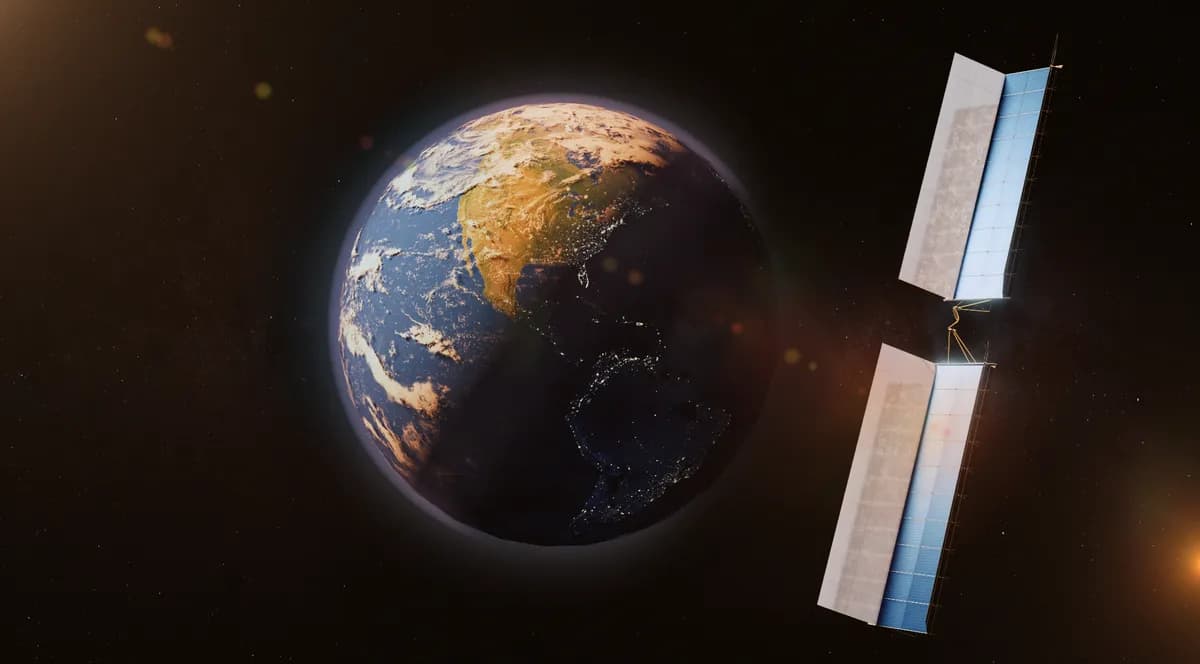
Meta Secures Overview Energy Space Solar Power Capacity
Why It Matters
Securing space‑based solar power gives Meta a resilient, diversified energy source to sustain AI workloads as grid constraints tighten. It also validates the emerging market for orbital power‑beaming, potentially reshaping how hyperscalers meet future compute needs.
Key Takeaways
- •Meta contracts up to 1 GW from Overview Energy’s satellite system.
- •Space‑based solar aims to extend daylight for terrestrial solar farms.
- •Overview plans GEO power delivery by 2030 after LEO demo in 2028.
- •Meta previously secured 6.6 GW nuclear capacity through 2035.
- •Advisors include former NASA admins and former FERC chair.
Pulse Analysis
The surge in generative‑AI models has turned data centers into some of the world’s biggest electricity consumers. Estimates place today’s AI‑driven compute load at roughly the same annual demand as Ireland, and projections suggest a two‑ to three‑fold increase by 2028. Traditional grids are already strained, prompting operators to seek off‑grid solutions such as on‑site solar and wind. However, solar output is limited by night and weather, creating a reliability gap that space‑based power could fill. The concept promises continuous energy delivery independent of terrestrial constraints, positioning it as a strategic asset for hyperscale firms.
Overview Energy, founded in 2022, is building a constellation of geostationary satellites that harvest sunlight 24 hours a day and beam it to Earth using near‑infrared lasers. By positioning the platforms in GEO, the satellites remain in near‑constant sunlight, eliminating eclipses that plague low‑Earth‑orbit solar arrays. A 2024 flight test demonstrated power transmission to a Cessna at 16,500 feet, and a low‑Earth‑orbit prototype is slated for 2028. Commercial service is targeted for 2030, offering data‑center operators a supplemental power stream that can be dispatched after dark. The beamed energy can be integrated with existing solar farms, boosting capacity factors without additional ground infrastructure.
Meta’s agreement for up to 1 GW of space‑solar capacity complements its earlier 6.6 GW nuclear procurement plan, underscoring a diversified energy roadmap aimed at insulating AI workloads from grid volatility. By locking in both terrestrial and orbital sources, the company can hedge against regulatory shifts and regional supply shortages. The partnership also signals growing confidence among investors and former government officials in the commercial viability of orbital power‑beaming. If successful, the model could spur a new market segment, prompting other hyperscalers to explore similar satellite‑based solutions to meet escalating compute demands.
Meta Secures Overview Energy Space Solar Power Capacity
Comments
Want to join the conversation?
Loading comments...