Meta Signs a Deal to Beam Solar Energy From Space to Its AI Data Centres
Companies Mentioned

Why It Matters
If successful, the deal could give Meta a reliable, round‑the‑clock renewable source, easing the biggest bottleneck in AI‑driven data‑centre expansion and setting a precedent for commercial space‑solar power.
Key Takeaways
- •Meta reserves up to 1 GW from Overview's space‑solar system.
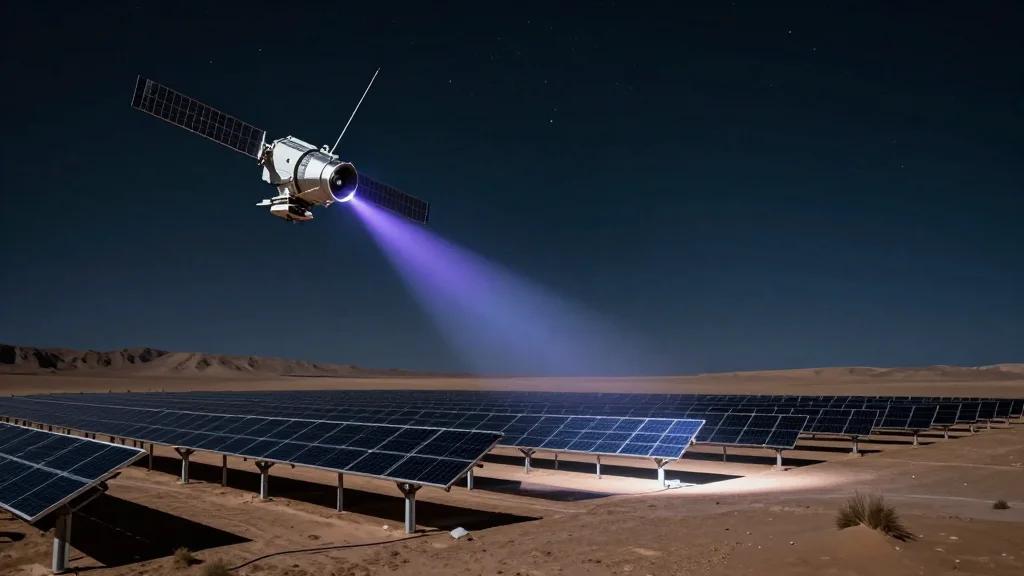
- •Space‑based solar beams near‑infrared light to existing solar farms.
- •First commercial capacity reservation for orbital solar power, demo 2028.
- •Could extend renewable output to night, reducing data‑centre reliance on batteries.
Pulse Analysis
Space‑based solar power has long been a speculative concept, but Overview Energy’s approach sidesteps the high‑intensity lasers and massive rectennas that have stalled earlier attempts. By using a broad, low‑intensity near‑infrared beam aimed at existing utility‑scale photovoltaic arrays, the system can convert the beamed light into electricity with the same hardware that already captures sunlight. This design reduces regulatory hurdles and eliminates the need for dedicated ground receivers, making the technology more compatible with current energy infrastructure.
Meta’s AI compute demand is growing faster than the pace at which traditional renewables can be scaled. The company’s data centres consumed roughly 18,000 GWh in 2024—enough to power 1.7 million U.S. homes—and its target of 30 GW of renewable capacity will still face the intermittency of solar and wind. Space‑solar offers a third path: continuous generation from orbit that can be beamed directly to existing farms, extending output into nighttime hours without costly battery farms or new land acquisition. If the 2028 orbital demo proves viable, the 2030 commercial rollout could dramatically improve Meta’s carbon‑neutral roadmap.
The broader market implications are significant. A successful commercial system would validate a new class of renewable assets, potentially unlocking financing for other tech giants and utilities seeking 24/7 green power. However, technical challenges—building, launching, and maintaining a geosynchronous platform capable of gigawatt‑scale transmission—remain unresolved, and regulatory approval will be complex. Meta’s early reservation is a strategic hedge: the financial outlay is modest compared with the upside of securing uninterrupted renewable energy, while the risk is limited to a pre‑commercial agreement that may not materialize.
Meta signs a deal to beam solar energy from space to its AI data centres
Comments
Want to join the conversation?
Loading comments...