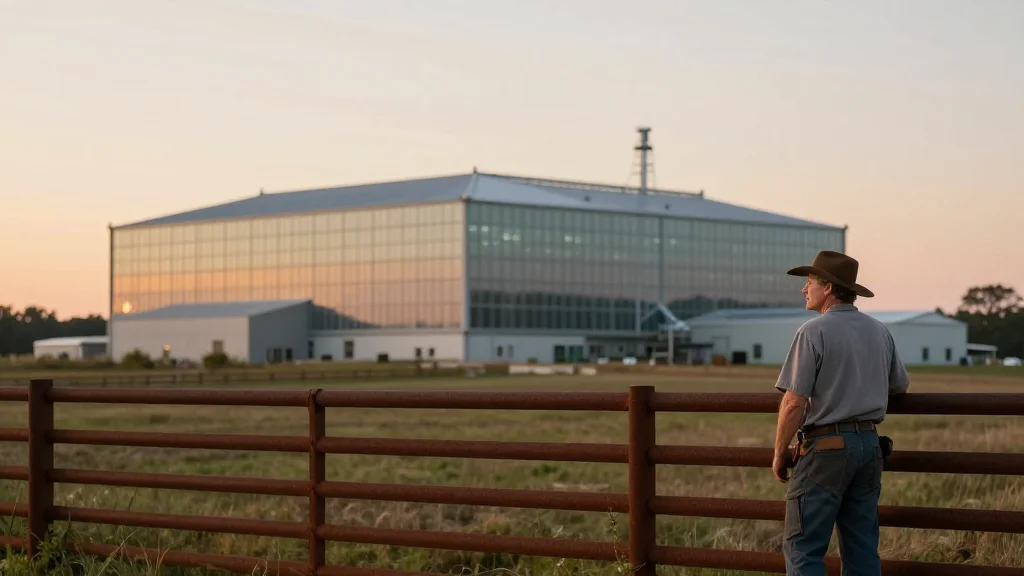
Michigan Townships Battle Microsoft and Others Over Hyperscale Data Centers and Grid Strain

Companies Mentioned
Why It Matters
The clash in Michigan highlights a broader tension in ClimateTech: the race to power AI and data‑intensive workloads versus the need to keep electricity grids reliable and carbon‑light. If hyperscale data centers proceed without stringent energy‑efficiency standards, they could accelerate emissions and strain already vulnerable rural grids, undermining state and national climate goals. Moreover, the outcome of these local battles will shape policy precedents for how states regulate high‑energy infrastructure. Stronger oversight could spur developers to adopt renewable‑energy contracts, advanced cooling technologies, and transparent water‑use reporting, driving innovation in sustainable data‑center design.
Key Takeaways
- •Nearly 600 residents attended a Gaines Township meeting to oppose Microsoft’s rezoning request.
- •Microsoft seeks to convert rural residential land to light industrial for a hyperscale data center.
- •Tammie Bruneau, Saline resident, warned the project feels "above the law" and threatens local quality of life.
- •Dan Wells, community development director, emphasized adherence to zoning rules to avoid lawsuits.
- •State rules require tax‑incentivized developers to protect water and energy supplies, but local veto power is limited.
Pulse Analysis
The Michigan data‑center showdown is a microcosm of the climate‑tech dilemma facing the United States: balancing the economic lure of AI‑driven infrastructure with the imperative to keep the power system decarbonized. Historically, data‑center siting has been driven by cheap electricity and tax incentives, but the surge in AI workloads has amplified power demand by an order of magnitude. In regions like Michigan, where the grid still relies heavily on fossil‑fuel generation, each new megawatt of load can translate into measurable carbon emissions unless offset by renewable contracts.
If townships succeed in imposing stricter conditions—or outright block projects—the industry may be forced to innovate faster, adopting on‑site renewable generation, advanced liquid‑cooling, and AI‑optimized workload scheduling to reduce peak demand. Conversely, a lax regulatory environment could lock in high‑intensity energy use for decades, creating stranded assets as states tighten emissions standards. The upcoming rezoning votes will therefore serve as a bellwether for how quickly climate‑tech solutions are integrated into the data‑center supply chain.
From a market perspective, developers are likely to double‑down on community engagement, offering local job promises and infrastructure upgrades to win goodwill. Yet the real competitive edge will belong to firms that can demonstrably deliver low‑carbon, water‑efficient facilities—an emerging differentiator that investors are beginning to value. As the AI economy expands, the Michigan case may prompt federal and state policymakers to codify sustainability metrics for data‑center approvals, reshaping the economics of the sector for years to come.
Michigan Townships Battle Microsoft and Others Over Hyperscale Data Centers and Grid Strain
Comments
Want to join the conversation?
Loading comments...