Microsoft Unveils AI Data Centers that Use as Little Water as a Single Restaurant per Year

Companies Mentioned
Why It Matters
Reducing fresh‑water demand in AI data centers tackles a critical sustainability challenge as AI workloads grow in intensity and scale. Water scarcity is a growing concern in many regions where data centers are built, and a proven low‑water cooling solution could reshape site selection criteria and regulatory approvals. Moreover, the move signals that major cloud providers are taking concrete steps to address environmental criticisms, potentially influencing investor sentiment and corporate ESG ratings. If the closed‑loop approach can be replicated across Microsoft’s broader network, it could set a new industry standard, encouraging rivals to innovate or adopt similar technologies. This shift may also drive ancillary markets, such as advanced chiller systems and vertical data center designs, fostering a wave of engineering investment focused on sustainability.
Key Takeaways
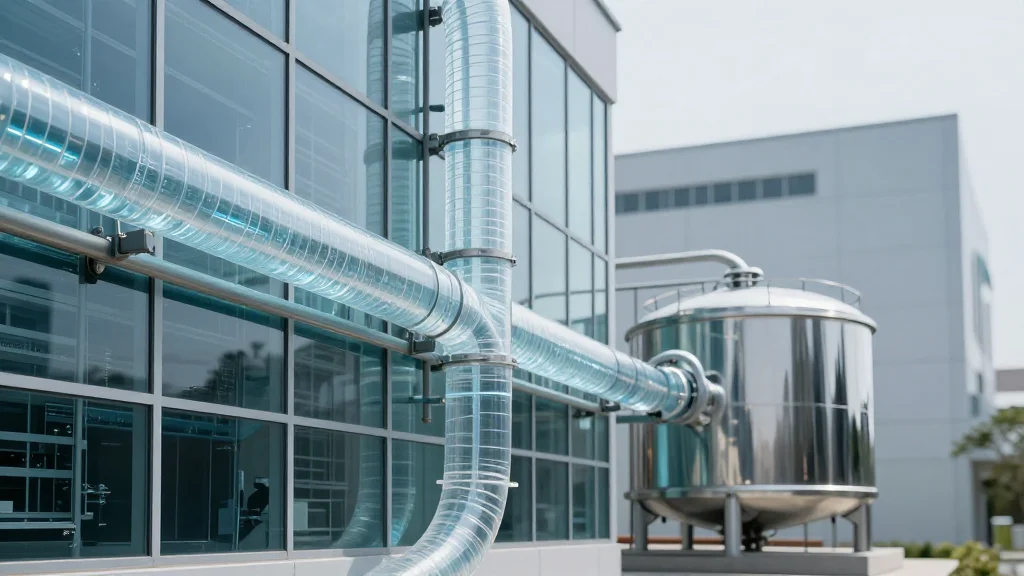
- •Microsoft’s new AI data centers use a closed‑loop cooling system filled once and recirculated
- •Water consumption is projected to equal that of a single restaurant per year
- •Design deployed at the 315‑acre Fairwater campus in Wisconsin with a two‑story vertical layout
- •Current rollout limited to Fairwater and a few U.S. sites; most of Microsoft’s 500+ centers still use traditional cooling
- •If scalable, the approach could redefine water‑use benchmarks for AI infrastructure
Pulse Analysis
Microsoft’s water‑saving claim reflects a broader strategic pivot toward sustainability as a competitive differentiator in the AI infrastructure market. Historically, hyperscale providers have focused on energy efficiency, but water usage has emerged as a new frontier of scrutiny, especially in regions facing drought or strict utility regulations. By engineering a sealed cooling loop, Microsoft not only reduces its direct water draw but also mitigates the risk of community backlash that can delay or block new data center projects.
The vertical two‑story design further underscores a trend toward densifying compute power while managing thermal loads more effectively. This architectural shift could enable higher GPU density per square foot, translating into faster AI model training and inference capabilities without proportionally increasing the facility’s environmental footprint. Competitors such as Google, Amazon, and Alibaba are likely to monitor Microsoft’s performance data closely; any demonstrable cost savings or regulatory ease could accelerate adoption of similar designs.
Looking ahead, the key question is scalability. Retrofitting existing data centers with closed‑loop systems would require significant capital investment and may be constrained by physical layout and legacy infrastructure. However, for greenfield projects, the technology offers a compelling value proposition: lower operating water costs, reduced regulatory risk, and a stronger ESG narrative. As investors increasingly tie capital allocation to sustainability metrics, Microsoft’s initiative could attract premium financing and bolster its position as a leader in responsible AI deployment.
Microsoft unveils AI data centers that use as little water as a single restaurant per year
Comments
Want to join the conversation?
Loading comments...