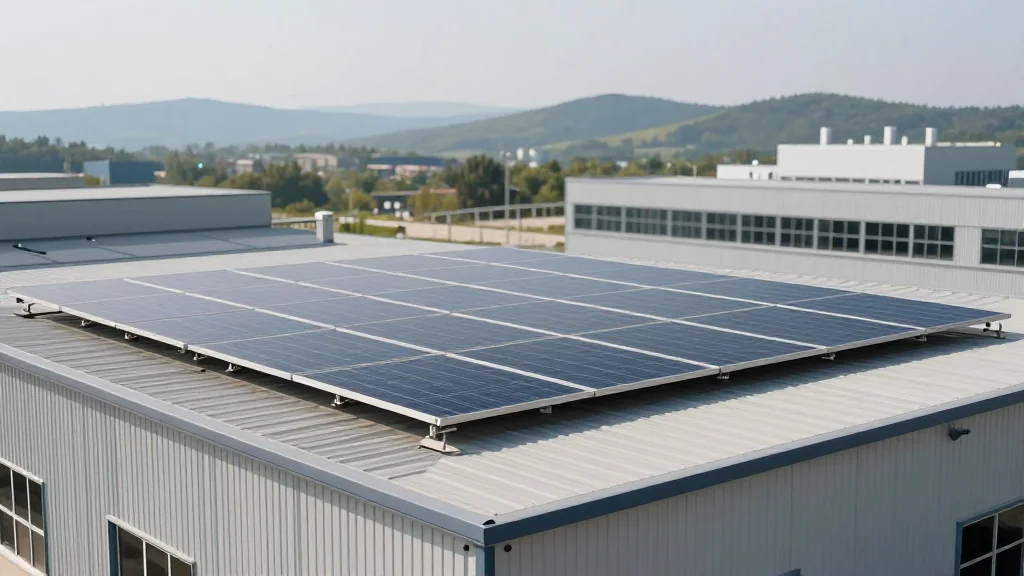
Mid-Sized Solar Could Help Bring Down Electricity Bills in Pennsylvania
Why It Matters
Mid-sized solar could curb Pennsylvania’s escalating power rates while delivering clean energy, but regulatory disputes risk stalling projects that promise billions in consumer savings.
Key Takeaways
- •4.9 MW solar installed on EQT warehouses in Mountain Top.
- •2,100 mid-sized solar projects planned, 106 MW interconnection secured.
- •Utilities fear $90 M‑$700 M annual cost shift from distributed solar.
- •Aurora report predicts $1 B net savings for Pennsylvania ratepayers by 2050.
- •Lack of community‑solar program hampers broader adoption versus neighboring states.
Pulse Analysis
Pennsylvania’s power grid faces a perfect storm: data‑center expansion, aging infrastructure, and a regulatory framework that struggles to keep pace. Mid-sized solar—projects ranging from 1 to 10 MW—offers a pragmatic bridge between sprawling utility farms and residential rooftops. The state’s 2004 Alternative Energy Portfolio Standards Act provides higher tariffs for these installations, encouraging developers like Black Bear Energy to pursue projects that can be sited on commercial roofs, warehouses, and public facilities. This model not only diversifies generation sources but also brings clean energy closer to load centers, reducing transmission losses.
The promise of mid-sized solar collides with a cost‑shift narrative championed by utilities and the Pennsylvania Public Utilities Commission. By compensating distributed generators at near‑retail rates, utilities argue they must recover the shortfall through higher charges on other customers, projecting $90 million in annual costs that could swell to $700 million if all 2,100 planned projects proceed unchanged. Neighboring states have mitigated this tension with community‑solar programs that spread benefits across ratepayers, a tool Pennsylvania lacks. The regulatory tug‑of‑war—court rulings, utility pushback, and pending legislation—creates uncertainty that could deter capital and delay interconnection approvals.
Economic analysis from Aurora Energy Research adds a data‑driven counterpoint. Modeling 2 GW of distributed solar by 2030 suggests $1.7 billion in total system savings over two decades, with utilities paying $780 million to generators and netting just under $1 billion for ratepayers. A substantial portion—about $1.2 billion—stems from reduced capacity procurement costs in the PJM market, where peak‑demand charges have driven utility rates up 12‑26 % year‑over‑year. These savings could translate into tangible bill reductions for commercial and industrial customers, a political priority for Governor Josh Shapiro. The outcome hinges on whether Pennsylvania can reconcile utility concerns with the financial upside of distributed solar, shaping the state’s energy future for years to come.
Mid-sized solar could help bring down electricity bills in Pennsylvania
Comments
Want to join the conversation?
Loading comments...