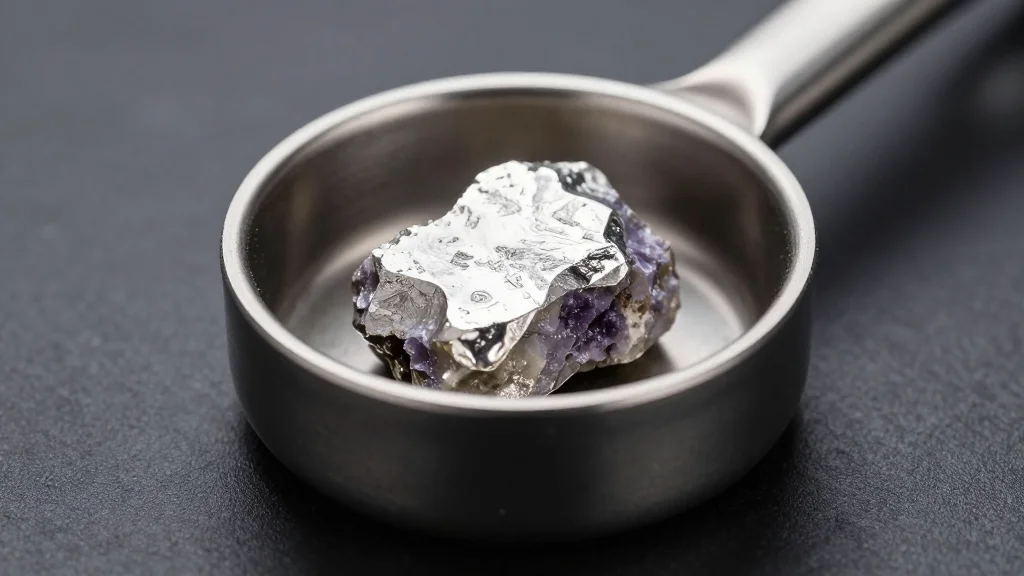
MIT Team Unveils Low‑impact Lithium Extraction that Recovers 95% of Spodumene Metal

Why It Matters
Lithium is a linchpin of the global energy transition, powering electric vehicles, renewable‑energy storage and a growing array of consumer electronics. Current extraction methods are water‑intensive and carbon‑heavy, limiting the sustainability of the supply chain and raising community opposition. A low‑temperature, acid‑free process that recovers >95% of lithium while also extracting valuable co‑products could dramatically lower the environmental footprint and cost of lithium, making clean‑energy technologies more affordable and socially acceptable. Beyond the immediate climate benefits, the technology could diversify supply sources, reducing the sector's dependence on a few dominant refining nations. By enabling domestic, greener production, the method supports energy‑security goals and may influence policy incentives for low‑impact mineral extraction.
Key Takeaways
- •MIT scientists developed a low‑temperature, acid‑free process that extracts >95% lithium from spodumene.
- •The method uses ammonium fluoride to dissolve silicate, eliminating high‑temperature roasting and acid leaching.
- •It operates as a closed‑loop system, recycling the chemical reagent and reducing waste.
- •Spin‑out Rock Zero will pilot the technology at industrial scale in late 2026.
- •If scaled, the process could become the cheapest way to source lithium, lowering battery costs and emissions.
Pulse Analysis
The MIT breakthrough arrives at a moment when the lithium market is both a growth engine and a bottleneck for clean‑energy deployment. Historically, mineral extraction has lagged behind demand, prompting supply‑chain shocks and price spikes. By cutting the energy and water intensity of hard‑rock mining, the new process could shift the cost curve, making lithium more competitive against alternative chemistries such as sodium‑ion or solid‑state batteries that are still in early stages.
From a competitive standpoint, incumbent miners will need to decide whether to retrofit existing plants with the new chemistry or risk being outflanked by agile start‑ups that can build green‑first facilities from the ground up. The capital intensity of traditional mining—heavy equipment, long‑term leases, and entrenched labor forces—creates inertia, but the promise of lower operating costs and regulatory headroom may accelerate adoption. Investors are likely to scrutinize Rock Zero's pilot results, as successful scale‑up could unlock a new wave of financing for sustainable mining projects.
Policy implications are equally significant. Governments seeking to secure domestic critical mineral supplies may prioritize technologies that align with climate goals. The process's compatibility with renewable power could qualify it for green‑energy subsidies, carbon credits or fast‑track permitting. Conversely, jurisdictions with strict environmental standards may impose additional reporting or waste‑management requirements that could affect the economics. Overall, the MIT method could become a catalyst for a broader re‑evaluation of how the industry balances resource security with climate responsibility.
MIT team unveils low‑impact lithium extraction that recovers 95% of spodumene metal
Comments
Want to join the conversation?
Loading comments...