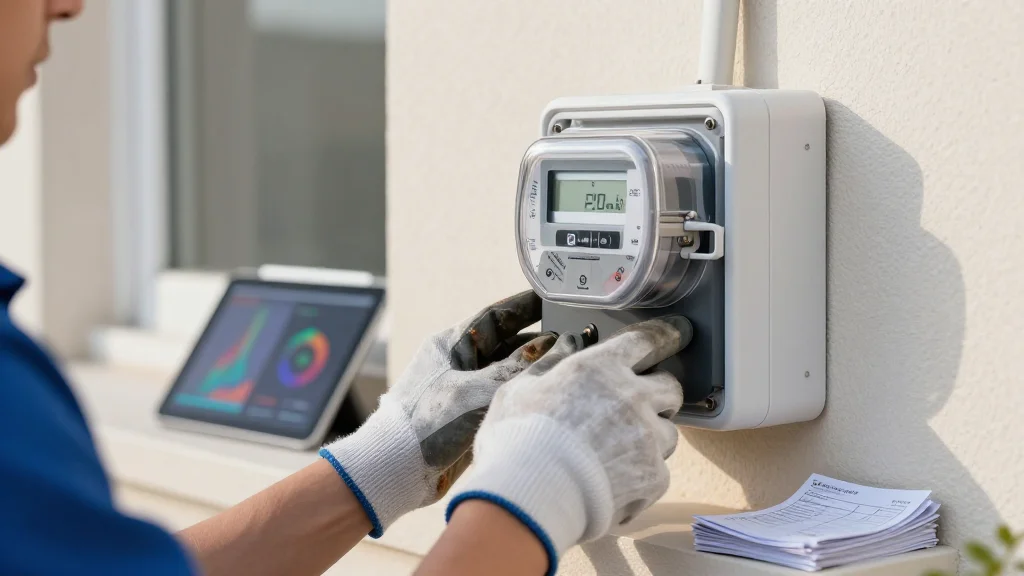
Modern Billing Systems Put More Power Behind Utility Rates
Companies Mentioned
Why It Matters
Legacy billing infrastructure stalls the monetization of smart‑meter data, delaying grid‑cost savings and renewable integration. Faster, affordable rate innovation improves affordability and accelerates the low‑carbon transition.
Key Takeaways
- •Only ~10% of U.S. customers on time‑varying rates despite 80% smart meters
- •Legacy billing systems cause multi‑year delays and million‑dollar costs for new rates
- •Modern platforms like Kraken enable rapid rate updates within weeks
- •Octopus Go tariff enrolls 350k customers, shifting demand to cheaper off‑peak
- •Upgrading billing tech unlocks value of $140 million AMI investments
Pulse Analysis
The U.S. electricity landscape is shifting from static cost allocation to proactive rate design that nudges consumption toward periods of abundant, low‑cost renewable generation. As electric vehicles, heat pumps, and other flexible loads proliferate, utilities need granular price signals to prevent new peaks and to monetize the growing stock of advanced meters. Dynamic tariffs—time‑of‑use, peak pricing, and real‑time rates—translate grid constraints into actionable incentives, promising lower overall system costs and smoother integration of intermittent resources.
Yet the promise of smart‑meter data remains largely untapped because many utilities still run on legacy billing engines built for flat‑rate, non‑interval data. PG&E’s reported backlog of 26 rate changes and Xcel Minnesota’s $1 million, year‑long rollout for a residential TOU plan illustrate how outdated IT can inflate implementation timelines and expenses. These bottlenecks not only increase costs for ratepayers but also impede policy goals such as affordability measures and carbon‑reduction targets, creating a widening gap between regulatory ambition and operational reality.
Enter next‑generation billing platforms like Kraken, which provide configurable rate engines capable of processing half‑hourly data and automatically adjusting tariffs in response to market conditions. The UK’s Energy Price Guarantee was deployed across four Kraken‑enabled retailers in just three weeks, and Octopus Energy’s Intelligent Octopus Go tariff now serves over 350,000 customers, dynamically extending off‑peak pricing when supply is cheap. By modernizing billing infrastructure, utilities can unlock the full value of the $140 million AMI rollout, accelerate adoption of flexible rates, and deliver tangible cost savings to both the grid and consumers.
Modern billing systems put more power behind utility rates
Comments
Want to join the conversation?
Loading comments...