More Nuclear-Powered District Heating Planned in Finland
Why It Matters
If successful, the project could provide a low‑carbon, reliable heat source for Finnish cities and create a replicable model for urban nuclear heating across Europe, accelerating decarbonization of the built environment.
Key Takeaways
- •Steady Energy to study 2‑6 LDR‑50 reactors for Jyväskylä
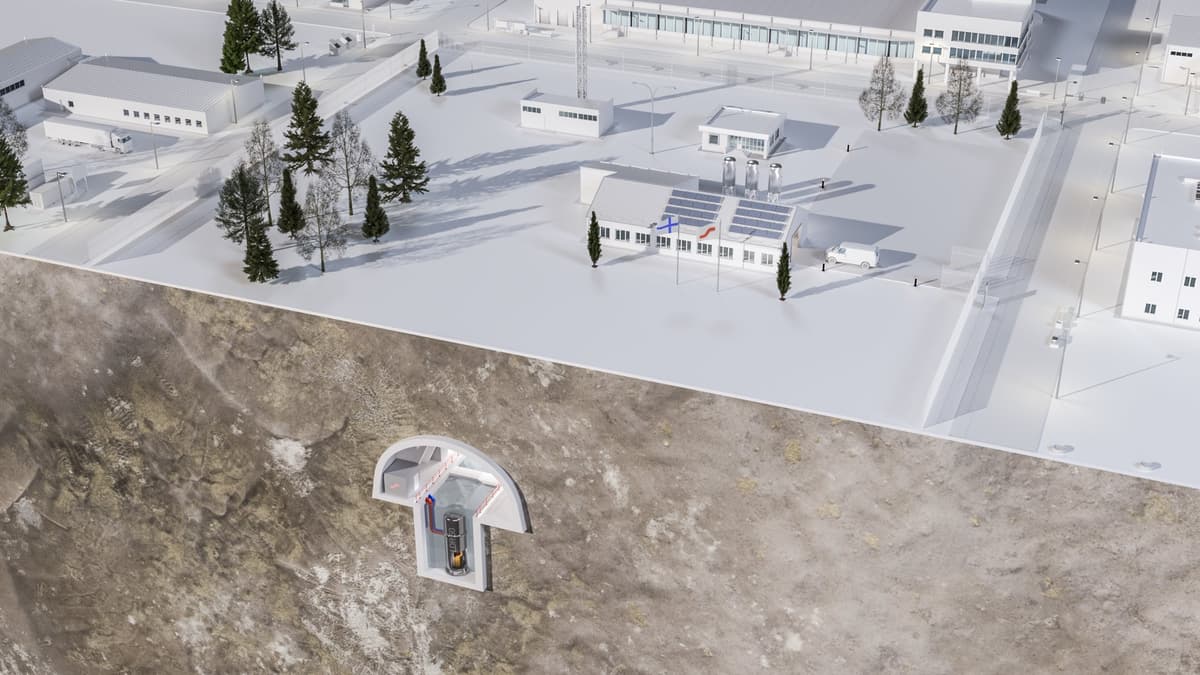
- •LDR‑50 provides 100‑300 MW heat, underground, low cost
- •Year‑long feasibility study covers regulation, public opinion, site selection
- •Pilot LDR‑50 under construction in Helsinki’s former coal plant
- •Other Finnish cities Helsinki, Kuopio, Kerava also explore nuclear heating
Pulse Analysis
Finland’s push for nuclear‑powered district heating reflects a broader shift toward decarbonizing urban energy systems. With heating accounting for a large share of the country’s emissions, municipalities are seeking alternatives to fossil‑fuel boilers. Small modular reactors like Steady Energy’s LDR‑50 offer a compact, heat‑only solution that can be sited underground, reducing visual impact and enhancing safety perception. By delivering 100‑300 MW of thermal power, these reactors can meet the demand of mid‑size cities while avoiding the high capital costs associated with full‑scale nuclear plants.
The LDR‑50’s design emphasizes simplicity and rapid construction, targeting a four‑to‑five‑year build window. Its underground placement leverages existing industrial sites, as demonstrated by the pilot being erected inside a decommissioned coal plant in Helsinki. Partnerships such as Steady Energy’s recent agreement with Korea District Heating Corp. highlight the technology’s export potential, positioning the Finnish firm as a niche player in the global heat market. Cost analyses suggest a lower levelized cost of heat compared with traditional nuclear or large‑scale renewable solutions, making it attractive for municipalities facing rising energy prices.
If the Jyväskylä feasibility study confirms technical and social viability, the model could be scaled to other European cities grappling with climate targets and aging heating infrastructure. Regulatory frameworks will need to adapt to accommodate underground reactors, while public outreach will be critical to address safety concerns. Successful deployment would not only diversify the energy mix but also create a new revenue stream for nuclear technology firms, potentially spurring investment in next‑generation small reactors across the continent.
More Nuclear-Powered District Heating Planned in Finland
Comments
Want to join the conversation?
Loading comments...