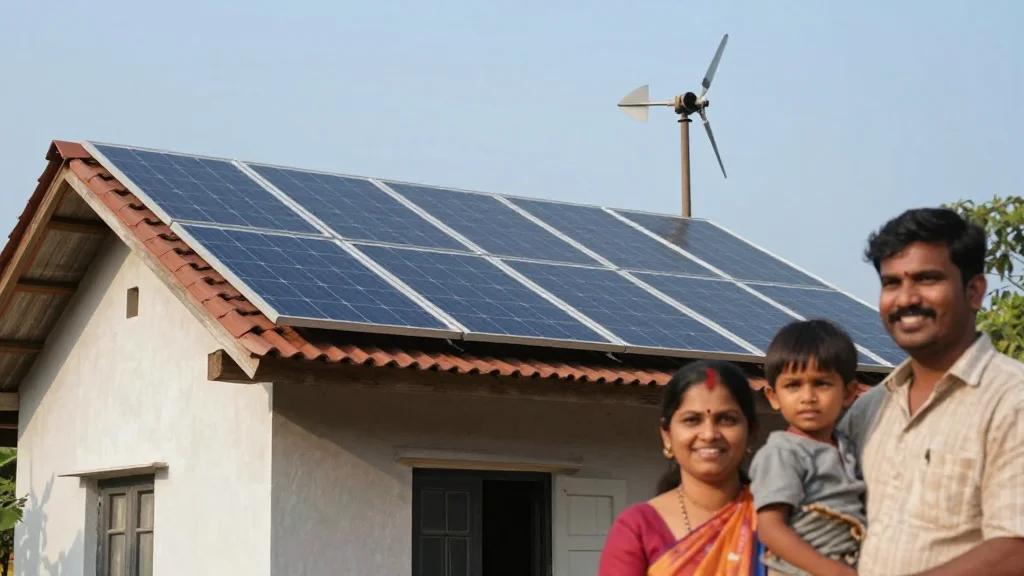
Nearly 11,000 Consumers Get 'Zero' Electricity Bills After Rooftop Solar System Adoption in Western Odisha
Why It Matters
The initiative demonstrates how targeted subsidies and low‑cost financing can accelerate solar adoption, delivering immediate savings for consumers and reducing strain on the regional grid. It also provides a scalable model for India’s broader renewable‑energy goals.
Key Takeaways
- •10,885 rooftop solar installations in Western Odisha by March 2026
- •60% of solar homes now receive zero electricity bills
- •3 kW system ~₹2 lakh ($2,400) with ₹1.38 lakh subsidy
- •TPWODL’s 1 kW ULA model lets consumers pay only ₹1,875 ($23)
- •Smart meters enable accurate net‑metering and 25‑year panel warranty
Pulse Analysis
The PM Surya Ghar Muft Bijli Yojana, launched to eliminate electricity costs for low‑income households, has found fertile ground in western Odisha. By coupling generous subsidies with TP Western Odisha Distribution Ltd’s 1‑kW Utility‑Led Aggregation (ULA) model, the program lowered the effective price of a 3 kW rooftop system to roughly $2,400, while providing up to $1,660 in direct assistance. This financial architecture, paired with a nominal $23 upfront fee for the ULA package, removed the traditional capital barrier, prompting a rapid surge to 10,885 installations within a single month.
For consumers, the impact is immediate and measurable. Approximately 60% of participating homes now enjoy a zero‑bill status, and the remaining 40% have slashed their electricity expenses by more than 80%. The integration of smart meters guarantees accurate measurement of self‑generated power, enabling seamless net‑metering and safeguarding the 25‑year performance warranty on panels. These savings translate into greater disposable income for families, fostering energy‑poverty alleviation and encouraging further investment in clean‑energy assets.
Beyond the local benefits, the Odisha rollout offers a blueprint for scaling solar adoption across India’s vast rural landscape. The model aligns with the nation’s target of 500 GW of renewable capacity by 2030, illustrating how policy‑driven subsidies, low‑cost financing, and robust metering can collectively drive grid decarbonisation. Replicating this approach in other states could accelerate progress toward national climate commitments while delivering economic uplift for millions of households.
Nearly 11,000 consumers get 'zero' electricity bills after rooftop solar system adoption in Western Odisha
Comments
Want to join the conversation?
Loading comments...