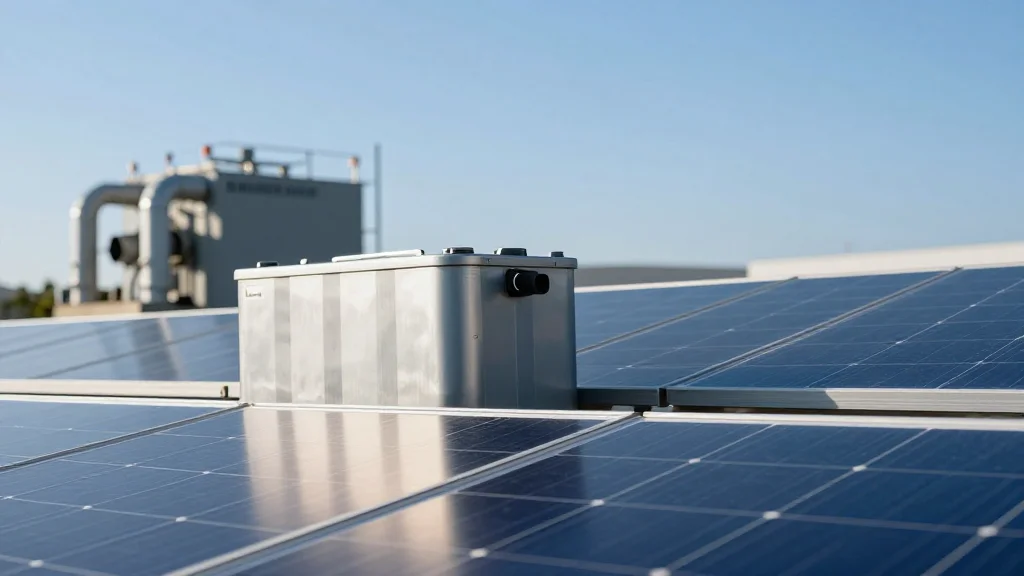
New Solar Project Will Help Power California's Most Powerful Water Plant
Why It Matters
It demonstrates how a critical public utility can blend solar, storage, and gas to meet climate targets while exposing water ratepayers to significant decarbonization costs.
Key Takeaways
- •Pastoria solar provides 105 MW, offsetting pumps' 800 MW demand.
- •20‑year PPA priced at $1 per megawatt‑hour.
- •Battery storage adds 80 MW/320 MWh for reliability.
- •DWR expects $1.5 billion decarbonization cost by 2045.
- •Project supports California’s goal of carbon‑neutral water by 2035.
Pulse Analysis
California’s Edmonston Pumping Plant is a linchpin of the State Water Project, lifting water nearly 2,000 feet to serve 27 million residents. Its 14 massive pumps can consume up to 800 MW, making the facility one of the state’s largest single electricity users. As climate‑driven variability threatens hydropower reliability, the Department of Water Resources is forced to seek alternative, low‑carbon sources to keep water deliveries uninterrupted and meet statutory decarbonization deadlines.
The 105‑MW Pastoria Solar Project, built on a 500‑acre site, injects renewable power directly into the local substation, while an 80‑MW/320‑MWh battery smooths output during cloudy periods. Coupled with Calpine’s existing 750‑MW natural‑gas combined‑cycle plant, the “trifecta” offers both clean energy and grid resilience. A 20‑year power‑purchase agreement at $1 per megawatt‑hour locks in a predictable price, yet DWR estimates the broader decarbonization effort will cost water agencies $1.5 billion by 2045, a figure that could filter through to consumer water bills.
Beyond the immediate water‑utility context, Pastoria signals a scalable model for other public agencies confronting high‑intensity loads. By co‑locating solar, storage, and flexible gas generation, utilities can meet renewable mandates without sacrificing reliability—a critical balance as AI‑driven data centers and extreme heat strain the grid. The project also underscores the financial calculus of clean‑energy transitions: while policy incentives are waning at the federal level, early‑stage projects can still capture residual tax credits, positioning California to stay ahead of its 2035 carbon‑neutral water goal and set a benchmark for nationwide infrastructure modernization.
New solar project will help power California's most powerful water plant
Comments
Want to join the conversation?
Loading comments...