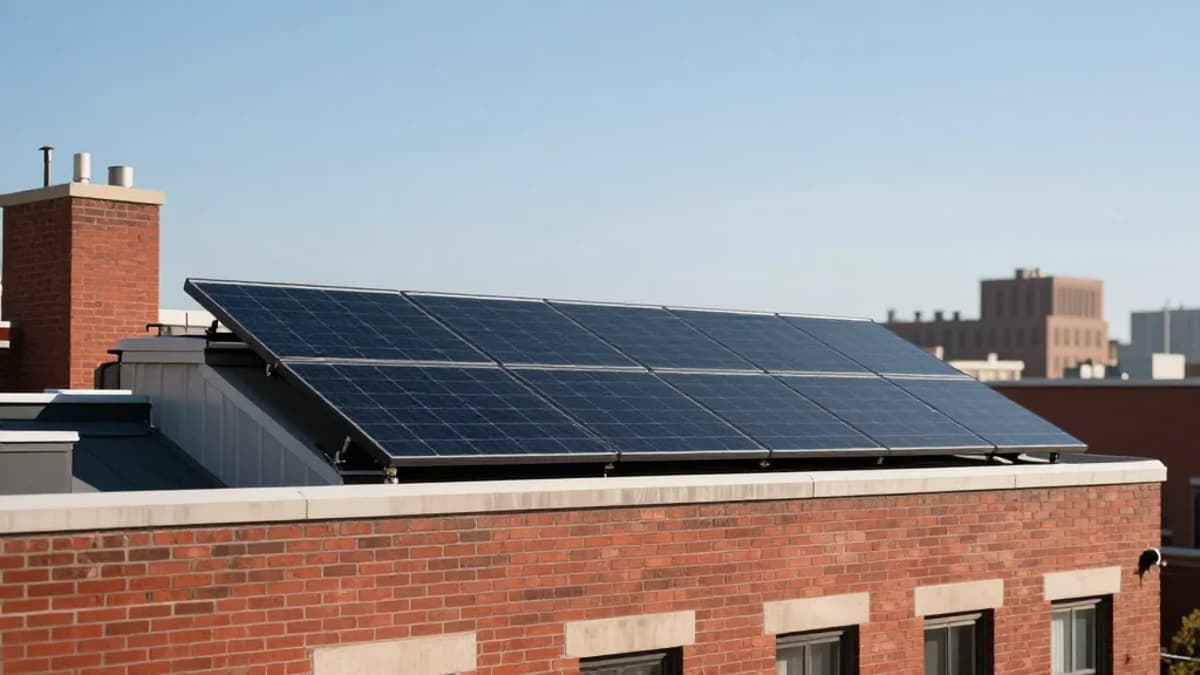
New York Solar Project Addresses Energy, Housing Affordability
•February 27, 2026
0
Why It Matters
The initiative shows how nonprofit housing providers can turn clean‑energy incentives into lower operating costs, protecting affordable rents and tackling both climate and housing crises at once.
Key Takeaways
- •17 solar projects total 1.3 MW installed on affordable housing.
- •Systems generate 1.5 GWh/year, covering 45% of load.
- •Catholic Charities created SPE to own assets and reinvest savings.
- •BTM net‑metered design chosen for tax credit eligibility.
- •Construction minimized disruptions for senior residents.
Pulse Analysis
The United States faces a 4.7‑million‑home shortfall, driving up rents and squeezing low‑income families. In this environment, nonprofit housing operators are turning to renewable energy not only to meet sustainability goals but also to reduce utility expenses that threaten rent affordability. By integrating solar PV into affordable‑housing roofs, organizations can create a dual‑benefit model that addresses energy insecurity while contributing to broader climate objectives.
The New York project illustrates the financial engineering behind such deployments. Catholic Charities formed the Laudato Si Corporation, a special‑purpose entity that owns the solar assets, enabling the nonprofit to qualify for the Inflation Reduction Act’s bonus tax credits. After evaluating front‑of‑meter community‑solar versus behind‑the‑meter net‑metered options, the portfolio was largely built as BTM systems to maximize tax‑credit capture and benefit from utility price escalation. This structure channels solar revenue back into the housing portfolio, reinforcing long‑term affordability and creating a replicable template for other nonprofit landlords.
Beyond the balance sheet, the design prioritized resident wellbeing. Construction schedules were tightly coordinated to limit roof‑access disruptions and avoid electrical shut‑offs for senior occupants. The resulting 1.5 GWh of clean energy offsets nearly half of on‑site electricity demand, translating into lower utility bills and a healthier indoor environment. As more municipalities adopt aggressive clean‑energy policies, the model demonstrated in Brooklyn and Queens offers a scalable pathway for affordable‑housing providers nationwide to align financial resilience with environmental stewardship.
New York Solar Project Addresses Energy, Housing Affordability
0
Comments
Want to join the conversation?
Loading comments...