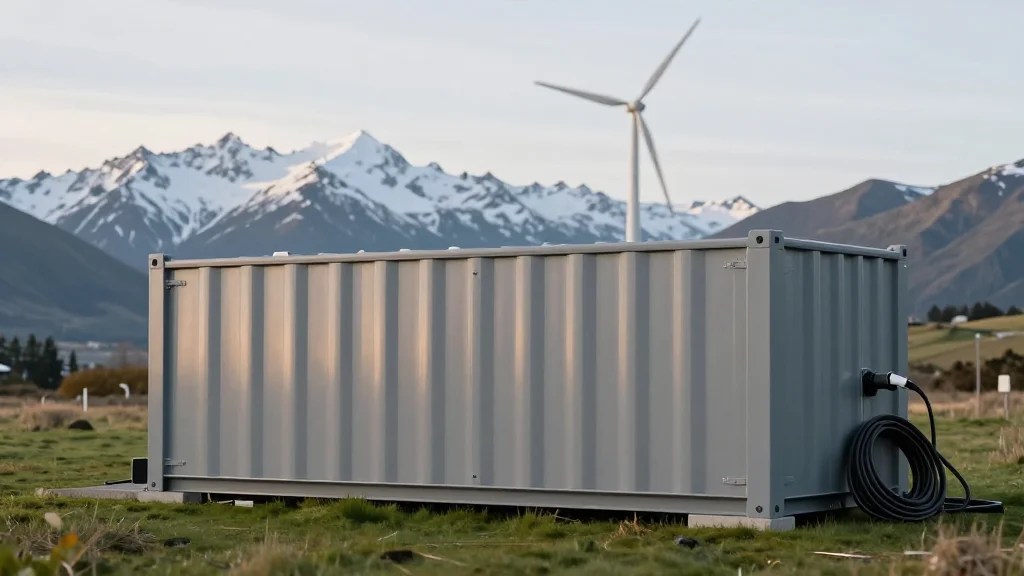
New Zealand Grid Faces Capacity Crunch as Renewable Mix Shifts and Demand Soars

Why It Matters
New Zealand’s experience illustrates the tension between high renewable penetration and the need for firm, dispatchable power. As the nation pushes toward net‑zero emissions, its ability to balance variable hydro, wind and solar with storage and transmission upgrades will shape investor confidence in climate‑tech solutions worldwide. The analysis also highlights how electrification of transport, heating and industry can quickly outstrip existing capacity, underscoring the importance of coordinated policy and infrastructure planning. For the global climate‑tech sector, New Zealand’s grid challenges create market opportunities for battery manufacturers, pumped‑hydro developers, and firms offering grid‑digitalisation tools. Successful navigation of these hurdles could demonstrate a scalable model for other countries seeking to integrate high shares of renewables while maintaining reliability.
Key Takeaways
- •Renewable electricity share hit 85.5 % in 2024 and 96.4 % in Q4 2025.
- •Total renewable capacity rose to 8,728 MW in 2024, a 7 % increase YoY.
- •Hydro output fell 11 % in 2024, the lowest since 2013.
- •Wind generation grew 22 % and solar 62 % year‑over‑year.
- •Projected infrastructure upgrades could cost NZ$30 billion (≈ US$18 billion) over the next decade.
Pulse Analysis
New Zealand’s electricity system sits at a pivotal juncture. The country’s historic reliance on hydro has delivered one of the world’s highest renewable shares, but climate‑driven droughts expose the fragility of a hydro‑centric mix. The 11 % dip in hydro generation this year, coupled with a 443 % surge in oil‑fired output, signals that the existing buffer is eroding. In contrast, wind and solar are scaling rapidly, yet their intermittent nature demands complementary firm capacity or storage.
From a market perspective, the analysis points to a clear investment thesis: firms that can provide firm, low‑carbon peaking solutions—whether through advanced gas turbines, hydrogen‑ready generators, or large‑scale battery systems—are positioned to capture a sizable share of the NZ$30 billion upgrade pipeline. Moreover, the inter‑island transmission bottleneck creates a niche for innovative HVDC projects that can move power more efficiently between islands.
Policy will be the decisive factor. New Zealand’s carbon‑pricing framework and renewable‑energy targets have historically driven investment, but the next wave of projects will require certainty around grid‑connection timelines and long‑term revenue mechanisms. If the government can deliver a stable regulatory environment, the country could become a showcase for integrated climate‑tech deployment, reinforcing its reputation as a climate‑leader and providing a replicable blueprint for other hydro‑dependent economies.
New Zealand Grid Faces Capacity Crunch as Renewable Mix Shifts and Demand Soars
Comments
Want to join the conversation?
Loading comments...