New Zealand’s Meridian Energy Wins Draft Approval to Access 545GWh of Contingent Hydro Storage
Companies Mentioned
Why It Matters
Unlocking the contingent storage could shave retail electricity rates and strengthen New Zealand’s grid resilience as winter demand outpaces supply. The move signals a shift toward greater hydro flexibility alongside emerging battery assets.
Key Takeaways
- •Meridian gains draft approval for 545 GWh contingent hydro storage.
- •Project could cut wholesale electricity prices by ~7% and power 75k homes.
- •Access limited voluntarily in 2026; half storage reserved for supply emergencies.
- •Critics fear reduced system buffer; government expresses reservations.
- •Combined hydro and battery strategy boosts NZ energy security amid shortfall.
Pulse Analysis
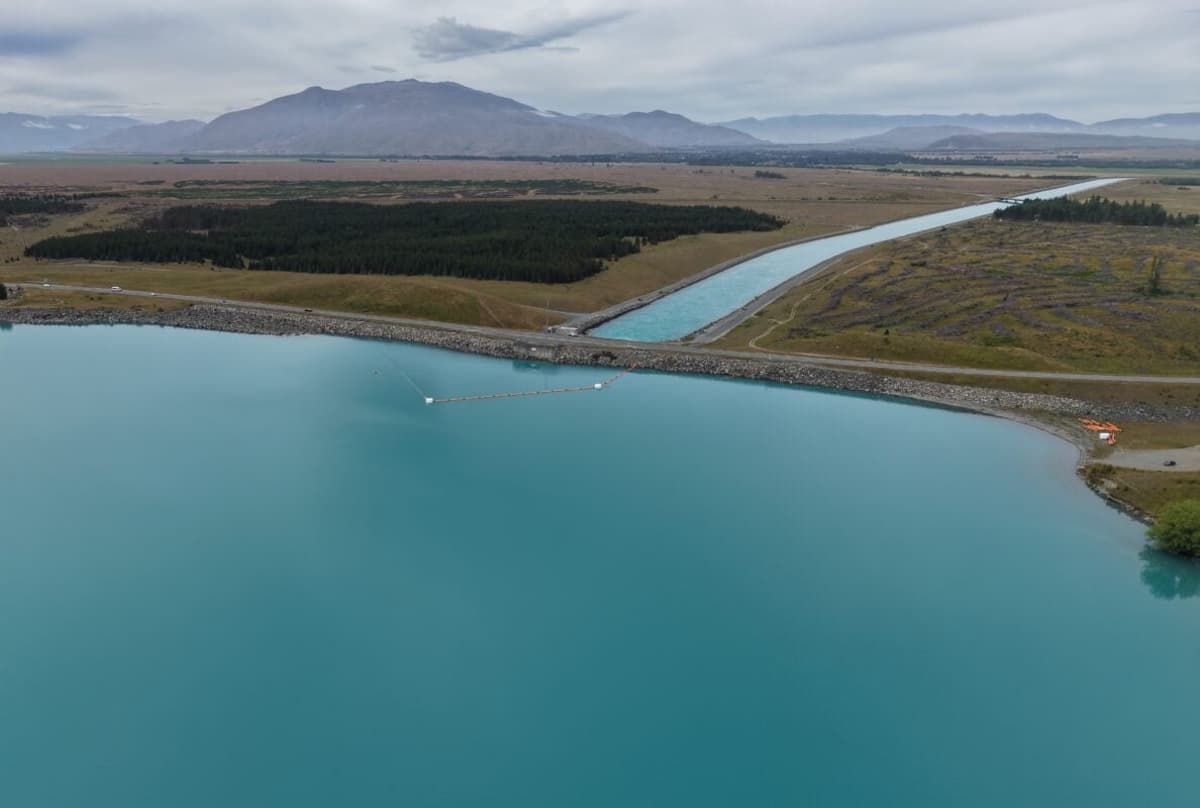
New Zealand’s electricity market has long relied on hydro reservoirs to balance seasonal demand spikes, but climate variability is tightening the margin. Meridian’s Pūkaki lake, part of the 1,761 MW Waitaki Power Scheme, now seeks to unlock an extra five metres of water storage, equivalent to 545 GWh. This contingent capacity, if released without a Transpower trigger, would cover most of the 698 GWh shortfall projected for the 2030‑31 winter period, offering a tangible hedge against supply gaps and reinforcing the nation’s renewable mix.
The economic ripple is immediate: modelling suggests a 7% drop in wholesale prices, translating into lower fixed‑rate offers for residential and commercial customers. By expanding low‑cost renewable output, Meridian aims to ease price volatility that has plagued New Zealand’s market during cold spells. However, the proposal has sparked debate. Grid operator Transpower warns that easing access could erode a critical buffer, while Genesis Energy and the Energy Minister have voiced concerns about system reliability in drought years. Meridian’s voluntary limitation—restricting half the new storage to emergency use in 2026—appears designed to address these objections while still delivering measurable price relief.
Beyond hydro, Meridian is diversifying with grid‑scale battery storage, exemplified by its 100 MW/200 MWh lithium‑iron‑phosphate system at Ruakākā. The hybrid approach of coupling flexible hydro with fast‑response batteries positions the company to meet both long‑duration and short‑duration balancing needs. As New Zealand’s energy security outlook grows more precarious, such integrated storage solutions could become a template for other markets seeking to blend traditional renewables with emerging technologies to safeguard supply and keep costs in check.
New Zealand’s Meridian Energy wins draft approval to access 545GWh of contingent hydro storage
Comments
Want to join the conversation?
Loading comments...