Nissan's New Solar Tech Adds 11 Miles of Free Range Every Day
Why It Matters
Solar integration directly tackles EV range anxiety and reduces dependence on grid charging, accelerating broader EV adoption especially in urban settings. By proving real‑world mileage gains, Nissan positions itself as a leader in sustainable mobility innovation.
Key Takeaways
- •Solar Ariya gains up to 14 miles range on sunny day test
- •Daily solar boost averages 11 miles in Barcelona, 6‑3 miles London
- •Charging trips could drop from 23 per year to eight
- •Lightyear supplies 3.8 m² polymer‑glass panels for Ariya
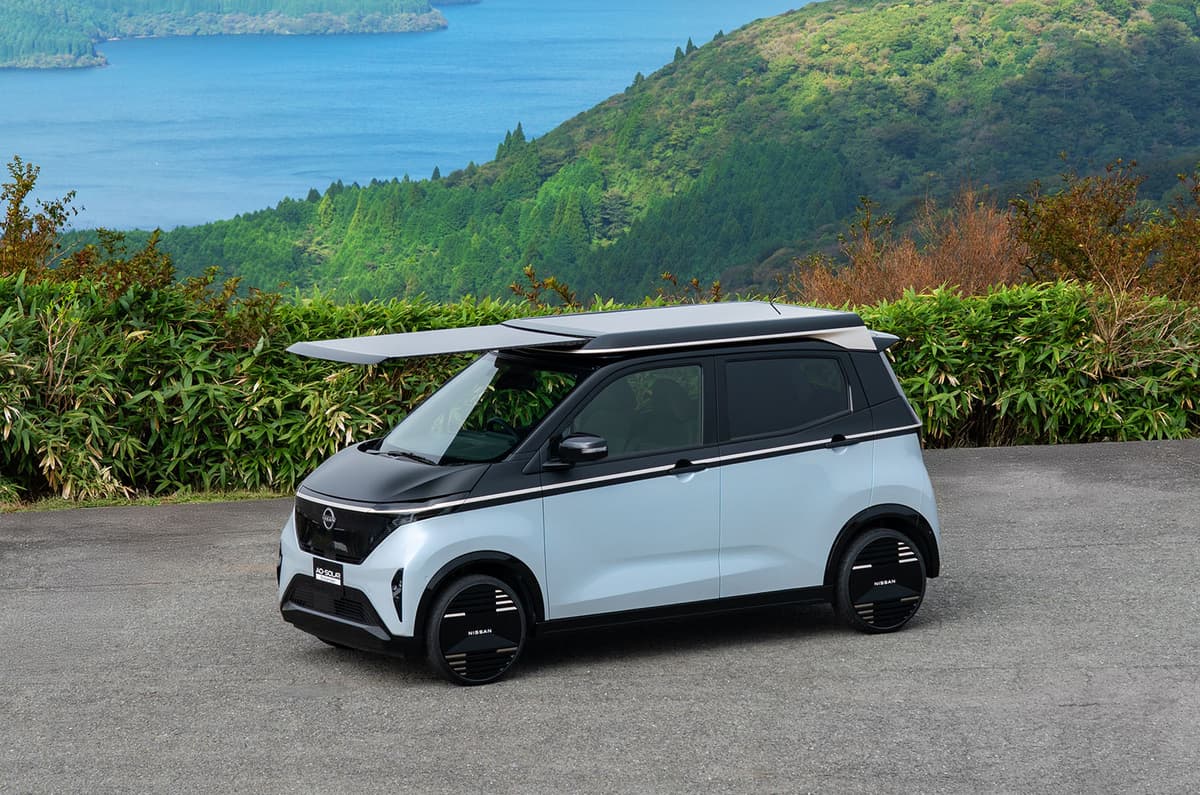
- •Sakura’s Ao‑Solar Extender generates ~500 W, enough for 1,860 miles yearly
Pulse Analysis
The push to embed solar cells into electric vehicles reflects a broader industry effort to mitigate range anxiety, a lingering barrier to mass adoption. While traditional EVs rely entirely on grid electricity, Nissan’s solar‑augmented Ariya demonstrates that even modest photovoltaic arrays can meaningfully extend daily driving distances. By harvesting sunlight directly on the vehicle’s roof, drivers in sun‑rich locales can offset a portion of their energy consumption without stopping at a charger, a benefit that aligns with sustainability goals and reduces electricity costs.
Nissan’s partnership with Dutch innovator Lightyear brings next‑generation polymer‑glass panels covering 3.8 square metres of the Ariya’s exterior. Real‑world tests recorded up to 14 miles of extra range on a bright day, with an average daily gain of 11 miles in Barcelona and comparable figures in other cities. This translates into a 35‑65% drop in charging frequency, slashing annual charging trips from 23 down to eight for typical commuters. Such reductions not only ease pressure on public charging infrastructure but also enhance vehicle utilization, especially for fleet operators seeking lower operational expenses.
The Sakura’s Ao‑Solar Extender pushes the concept further for compact urban cars. The retractable roof panel produces roughly 500 watts, enough to power the vehicle for about 1,860 miles each year—sufficient for many city‑dwelling drivers who primarily run short errands. By integrating solar generation with a sunshade function, the system also improves cabin comfort while minimizing aerodynamic drag. Nissan’s commitment to bring this technology to production signals a shift toward vehicles that can partially self‑charge, a development that could reshape charging strategies and accelerate the transition to fully electric transportation ecosystems.
Nissan's new solar tech adds 11 miles of free range every day
Comments
Want to join the conversation?
Loading comments...