NSW Launches 2.5 GW Renewable Generation Tender, Its Biggest Ever

Why It Matters
The NSW tender is a watershed for Australia’s renewable rollout because it aligns state policy with market incentives, encouraging large‑scale hybrid projects that can provide firm, dispatchable power. By targeting a third of household electricity demand, the contracts directly address price volatility and reliability concerns that have plagued the region’s electricity market. Beyond the immediate capacity gains, the tender’s design – a cash‑settled hybrid strike price and mandatory four‑hour storage – sets a template for other jurisdictions seeking to integrate renewables with long‑duration storage. If successful, the model could accelerate the commercialization of solar‑plus‑battery farms across the National Electricity Market, reducing the need for costly grid upgrades and fossil‑fuel peakers.
Key Takeaways
- •NSW launched Tender 8 for 2.5 GW renewable generation and Tender 9 for 12 GWh storage
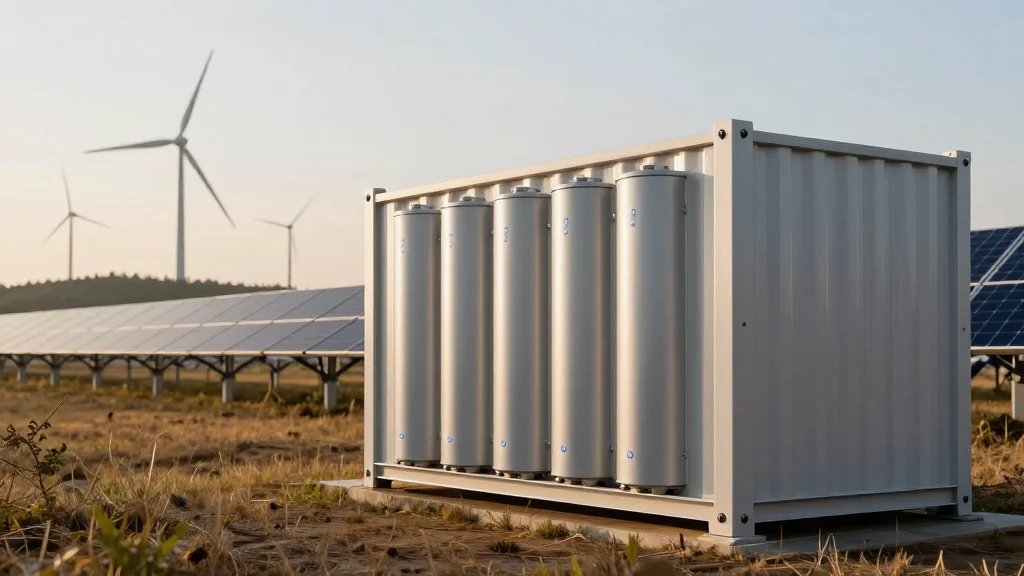
- •Hybrid LTESA allows solar or wind projects to bundle battery storage with a minimum 4‑hour duration
- •Tender 8 could supply up to 90 % of NSW’s 12 GW 2030 renewable target
- •Award decisions expected by late 2026; commercial operation required by 31 Dec 2029
- •Projects must forgo Commonwealth CISA support if awarded state contracts
Pulse Analysis
The dual tender reflects a strategic pivot by NSW to capture more value from the renewable transition than traditional capacity‑based subsidies can provide. By weighting financial value and system benefits at nearly half of the merit score, the state is rewarding projects that lower wholesale prices and enhance grid stability – a clear response to the price spikes seen during recent heatwaves. The hybrid LTESA’s cash‑settled swap mechanism also mitigates revenue risk for developers, making it easier to attract private capital without relying on long‑term government guarantees.
Historically, Australian states have competed for federal funding under the CISA, which often led to fragmented project pipelines. NSW’s decision to force a choice between federal and state contracts could concentrate development activity, driving economies of scale in procurement, engineering and construction. However, it also raises the bar for developers who must now secure financing under a more complex, hybrid contract structure. Early‑stage investors will likely scrutinise the price‑risk sharing model to ensure it aligns with corporate risk appetites, especially as global battery prices remain volatile.
Looking ahead, the success of Tender 8 and Tender 9 will hinge on the speed at which developers can lock in supply‑chain contracts for turbines, PV modules and lithium‑ion batteries. If the market can deliver the required capacity on schedule, NSW could set a benchmark for other states and countries aiming to pair renewable generation with firm storage. Conversely, delays or cost overruns could undermine confidence in hybrid LTESA contracts, prompting a re‑evaluation of policy tools. The upcoming award timeline in late 2026 will therefore be a critical barometer for the viability of large‑scale, integrated renewable‑storage projects in the Australian market.
NSW launches 2.5 GW renewable generation tender, its biggest ever
Comments
Want to join the conversation?
Loading comments...