OM in the News: Making Renewable Natural Gas Directly From Waste
Key Takeaways
- •Pretreatment raises RNG yield by 200% versus standard digestion
- •Treatment cost drops from $494 to $253 per ton dry solids
- •Up to 80% of sludge converted into pipeline‑quality renewable gas
- •Minimal CO₂ content meets strict pipeline quality standards
- •Could halve greenhouse‑gas emissions from U.S. wastewater plants
Pulse Analysis
The United States operates roughly 15,000 wastewater treatment facilities, many of which rely on anaerobic digestion to turn sewage sludge into biogas. While biogas can be upgraded to renewable natural gas (RNG), conventional digestion struggles with low conversion efficiency and a high carbon footprint, accounting for about 21 million metric tons of CO₂ annually. Energy consumption at these plants also represents 3‑4 % of national electricity demand, making them both a cost center and a climate liability for municipalities. These emissions are a focal point of federal climate initiatives, which aim to cut municipal energy footprints by 2030.
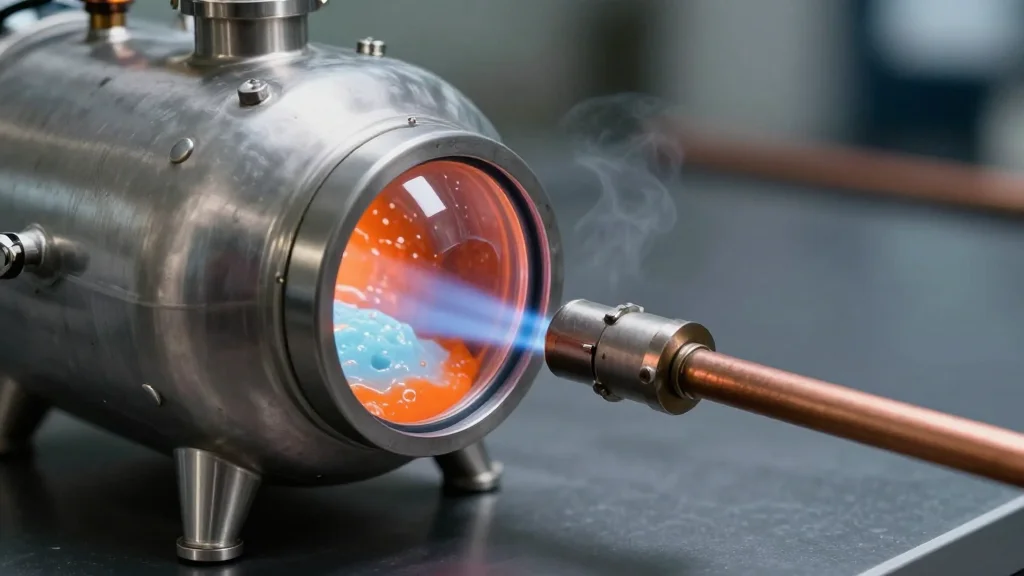
Washington State University researchers added a high‑temperature, high‑pressure oxygen pretreatment step before anaerobic digestion, effectively catalyzing the breakdown of long polymer chains in the sludge. The experiment showed a 200 % increase in RNG yield and a cost reduction from $494 to $253 per ton of dry solids, converting up to 80 % of the feedstock into pipeline‑quality methane with negligible CO₂. The resulting gas meets existing natural‑gas pipeline specifications, allowing immediate integration into the broader energy grid without additional purification. The process uses existing digesters with minor retrofits, easing adoption across plants of varying sizes.
The economic upside of halving treatment costs and tripling RNG output makes the technology attractive to cash‑strapped municipalities seeking revenue streams from waste. Scaling the pretreatment could accelerate the United States’ goal of producing 15 billion cubic feet of RNG annually, a target set by the Inflation Reduction Act’s clean‑fuel incentives. Moreover, the lower carbon intensity of the gas supports corporate ESG commitments and provides a domestic, renewable substitute for fossil natural gas in power generation, heating and transportation sectors. Implementation also promises new skilled jobs in waste handling, engineering and gas distribution.
OM in the News: Making Renewable Natural Gas Directly from Waste
Comments
Want to join the conversation?