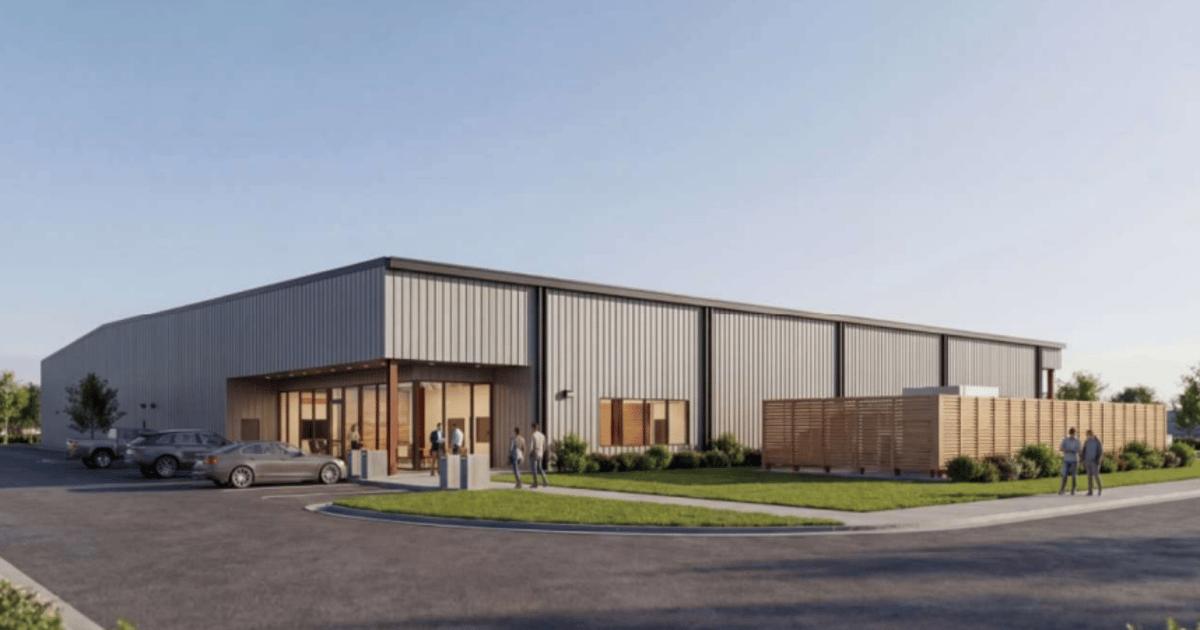
One-Year Data Center Moratorium Approved in City Near Minneapolis
Why It Matters
The moratorium signals heightened local oversight of data‑center expansion, potentially slowing supply growth and prompting developers to address community and utility concerns before building. It could set a precedent for other municipalities grappling with the energy and land‑use implications of large‑scale compute facilities.
Key Takeaways
- •Inver Grove Heights imposes one‑year data‑center construction moratorium
- •T5 Data Centers' 5 MW, 55,000 sq ft proposal halted
- •Rosemount also enacted a one‑year moratorium this April
- •Minneapolis council will consider similar temporary ban
Pulse Analysis
Data centers have become critical infrastructure for cloud services, AI workloads, and enterprise computing, driving a wave of construction across the United States. Yet their high electricity demand and sizable footprints have sparked pushback from communities concerned about grid strain, noise, and land use. Municipalities like Inver Grove Heights are responding by instituting temporary moratoria, giving regulators a window to craft zoning rules and utility agreements that balance economic benefits with local quality‑of‑life considerations.
In Inver Grove Heights, the city council’s decision directly targets a T5 Data Centers proposal for a 5‑megawatt, 55,000‑square‑foot facility on Carmen Avenue. While T5’s closed‑loop cooling design promises efficiency, the project raised questions about power availability, traffic, and environmental impact. The one‑year pause allows the city to assess optimal locations, define permissible districts, and potentially impose stricter energy‑usage standards. For developers, the moratorium underscores the need for early stakeholder engagement and flexible site planning to avoid costly delays.
The broader trend of data‑center moratoria in Minnesota—now seen in Rosemount and likely imminent in Minneapolis—suggests a shifting regulatory landscape. As state and local officials grapple with the cumulative load on aging grids, they may adopt more rigorous permitting processes, incentivize renewable‑energy integration, or require community benefit agreements. Industry players must adapt by incorporating resilient power strategies and transparent community outreach, ensuring that the rapid growth of digital infrastructure aligns with sustainable urban development.
One-year data center moratorium approved in city near Minneapolis
Comments
Want to join the conversation?
Loading comments...