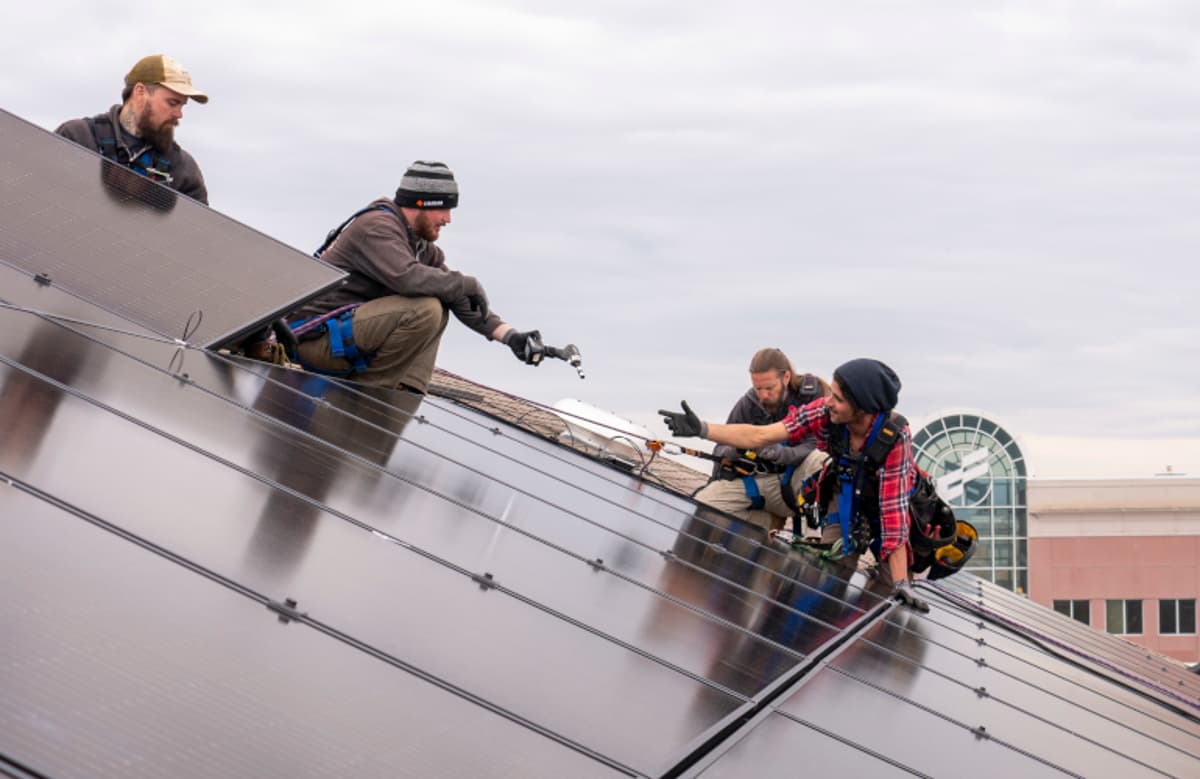
Op-Ed: Passive Solar Commissioning Is Dead Long Live Active Solar Commissioning
Why It Matters
Active commissioning speeds up deployment of complex solar‑plus‑storage projects, cutting labor costs while boosting system reliability as solar’s market share expands.
Key Takeaways
- •Solar plus storage now standard in new U.S. installations.
- •Passive commissioning slows jobs and increases error‑related truck rolls.
- •Active commissioning platforms validate components in real time.
- •TQS reduces installation time by 15‑30 minutes per system.
- •Guided workflows improve crew productivity and customer satisfaction.
Pulse Analysis
The United States is witnessing an unprecedented surge in solar capacity, now accounting for the majority of new generation added to the grid. This growth is not limited to panels alone; residential and commercial projects increasingly integrate battery storage, electric‑vehicle chargers, advanced monitoring, and even HVAC or generator controls. Such multi‑component ecosystems demand tighter coordination, as each device introduces its own communication protocol and configuration requirement. Traditional commissioning—largely a post‑install checklist—fails to keep pace, creating bottlenecks that erode the cost advantages of solar adoption.
Enter real‑time active commissioning, a paradigm shift that embeds verification into every installation step. Platforms built on the Total Quality Solar (TQS) framework provide installers with a digital map of the system before they lift a wrench, then guide them through sequenced tasks while continuously checking device registration, wiring integrity, and network connectivity. Errors such as mis‑entered serial numbers or mismatched communication settings are flagged instantly, allowing crews to correct issues on site rather than after the fact. This proactive approach eliminates redundant manual data entry, reduces the need for multiple disconnected apps, and cuts the frequency of service calls that traditionally trigger costly truck rolls.
The operational upside is compelling. Early adopters report trimming 15 to 30 minutes from each job, translating into higher crew throughput and lower labor expenses. More importantly, the reduction in post‑install rework enhances the reliability of distributed‑energy assets, fostering greater consumer confidence and smoother interconnection processes. As solar installations become more sophisticated, manufacturers and installers that invest in active commissioning tools will likely set new industry standards, driving faster, cleaner, and more cost‑effective renewable energy deployment nationwide.
Op-ed: Passive solar commissioning is dead Long live active solar commissioning
Comments
Want to join the conversation?
Loading comments...