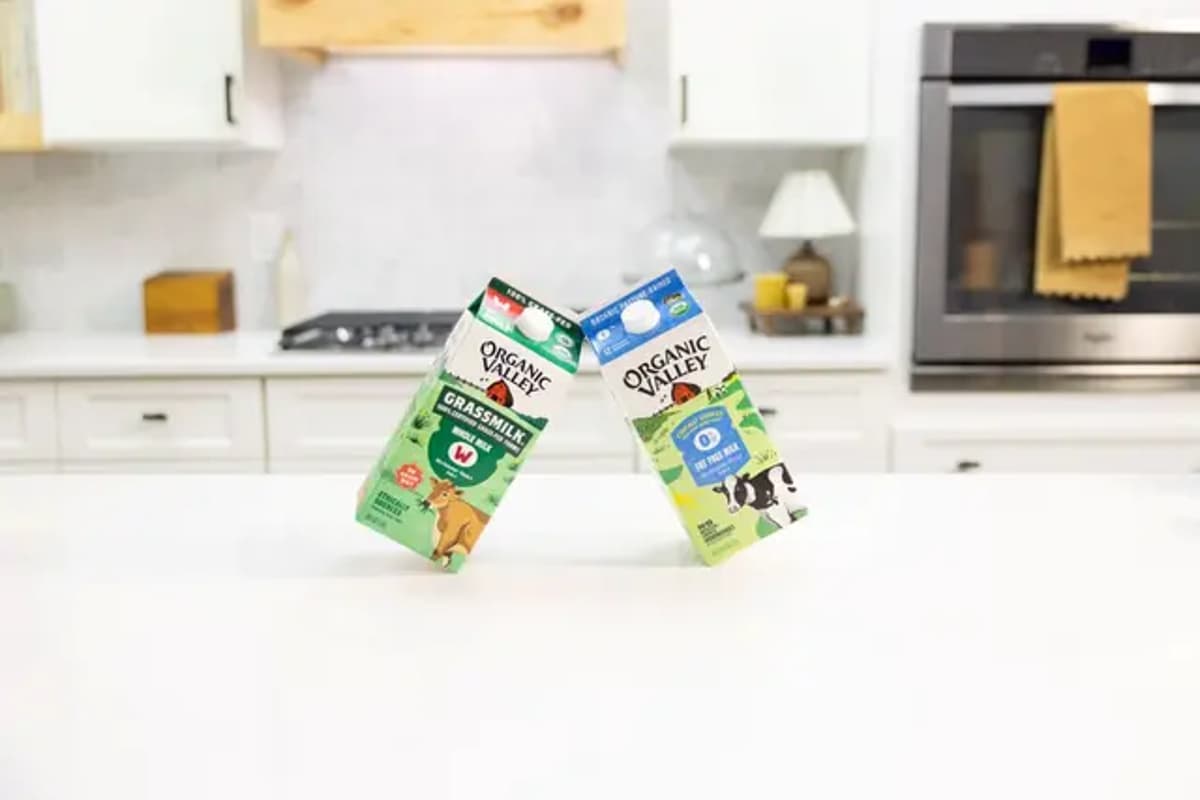
Organic Valley, Stonyfield Organic, UNFI, and Whole Foods Market Team in Value Chain Climate Initiative for US Organic Dairy
•March 3, 2026
0
Why It Matters
By aligning farms, processors, distributors and retailers around a common, verifiable carbon metric, the program accelerates measurable emissions cuts and strengthens supply‑chain resilience, setting a new standard for sustainability in the organic food sector.
Key Takeaways
- •Verified Impact Units enable measurable carbon cuts across dairy chain
- •Whole Foods, Stonyfield, UNFI join Organic Valley in carbon insetting
- •Farm-level practices include solar, feed additives, manure management
- •Each VIU is third‑party verified on SustainCERT VIVID platform
- •Program offers scalable model for collaborative climate action in food
Pulse Analysis
The launch of Verified Impact Units marks a shift from traditional carbon offsetting toward in‑setting, where emissions reductions are generated directly on the farm. By channeling investment into solar installations, methane‑suppressing feed additives, and advanced manure handling, the coalition tackles the biggest source of dairy‑related emissions at its origin. This approach not only lowers the carbon intensity of organic milk and yogurt but also provides farmers with tangible tools and revenue streams to adopt cleaner technologies.
Transparency is a cornerstone of the initiative. Each VIU is recorded on the SustainCERT VIVID platform, ensuring third‑party verification, traceability, and protection against double‑counting. Retailers like Whole Foods can now substantiate climate claims with auditable data, enhancing consumer trust and differentiating their product lines in a crowded market. The collaborative framework also spreads risk and cost across the supply chain, making sustainability investments more financially viable for smaller family farms.
Beyond immediate emissions reductions, the program signals a broader industry trend toward integrated climate solutions. As major food distributors and grocery chains commit to shared metrics, the model could be extended to other product categories, amplifying its impact. For investors and policymakers, the initiative offers a replicable blueprint for aligning private sector incentives with national climate goals, potentially informing future regulatory standards for agricultural carbon accounting.
Organic Valley, Stonyfield Organic, UNFI, and Whole Foods Market team in value chain climate initiative for US Organic Dairy
0
Comments
Want to join the conversation?
Loading comments...