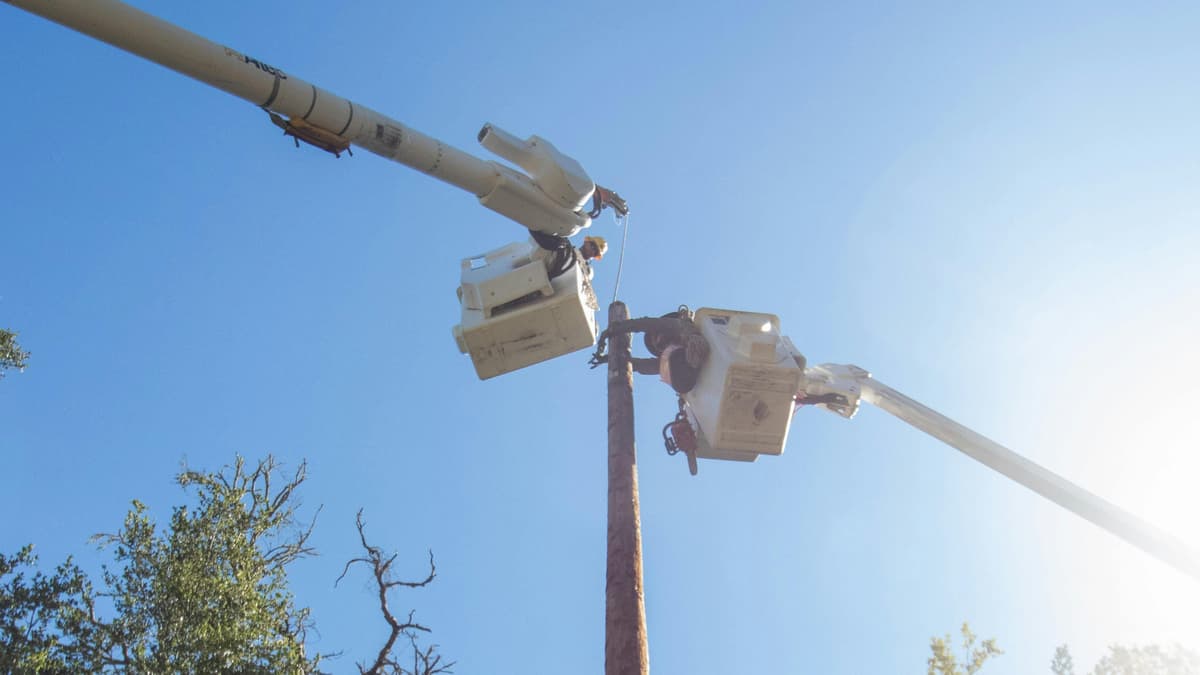
Palo Alto’s Foothills Go Underground
Why It Matters
Undergrounding directly mitigates wildfire ignition risk, protecting lives and property while enhancing grid resilience—a critical priority for California utilities facing increasingly severe fire seasons.
Key Takeaways
- •Undergrounding cuts wildfire ignition risk in Palo Alto’s high‑fire zone
- •Burying lines improves reliability for treed, elevated neighborhoods
- •Project showcases public utility innovation amid climate threats
- •Completion expected within a year, aligning with CPAU’s 125th anniversary
- •Underground infrastructure supports faster fiber‑optic communications rollout
Pulse Analysis
California’s utility landscape is being reshaped by the twin pressures of climate change and wildfire devastation. Palo Alto’s decision to underground its electric and communications lines reflects a broader industry shift toward hardening the grid against extreme weather. By eliminating overhead poles, CPAU removes a primary ignition source that has plagued many utilities, reducing the likelihood of costly fire-related outages and liability. This proactive stance also aligns with state mandates encouraging utilities to adopt fire‑safe practices, positioning Palo Alto as a model for municipalities nationwide.
Beyond fire mitigation, undergrounding delivers tangible reliability gains. Overhead lines are vulnerable to wind, falling trees, and accidental contact, leading to frequent service interruptions. Submerged cables, protected from the elements, experience fewer faults, translating into steadier power delivery and lower maintenance costs over the asset’s lifespan. For residents, this means fewer blackouts and faster restoration times, a critical advantage for businesses and remote workers who depend on uninterrupted electricity and high‑speed fiber connectivity.
The project also carries economic and social implications. While upfront capital expenditures are significant, the long‑term savings from avoided fire damages, insurance premiums, and emergency response can outweigh initial costs. Moreover, the underground fiber network creates a foundation for smart‑city applications, enabling advanced metering, real‑time grid monitoring, and expanded broadband access. As CPAU nears project completion, other California utilities are likely to evaluate similar undergrounding initiatives, accelerating a regional transition toward a more resilient, low‑risk power infrastructure.
Palo Alto’s Foothills Go Underground
Comments
Want to join the conversation?
Loading comments...