Philippines Could Cut $28 Million in Fossil Fuel Imports by Meeting 2030 Solar Target, Says Report
Companies Mentioned
Why It Matters
Cutting fossil‑fuel imports directly lowers electricity costs for Filipino consumers and strengthens national energy security amid volatile global markets. The findings also signal a scalable pathway for other emerging economies facing similar price‑shock pressures.
Key Takeaways
- •Meeting 9.5 GW solar target could save Philippines $28 M by 2030
- •Avoided costs split: $23.6 M gas, $4.5 M coal imports
- •Staggered fuel hikes aim to cushion inflation from Middle East conflict
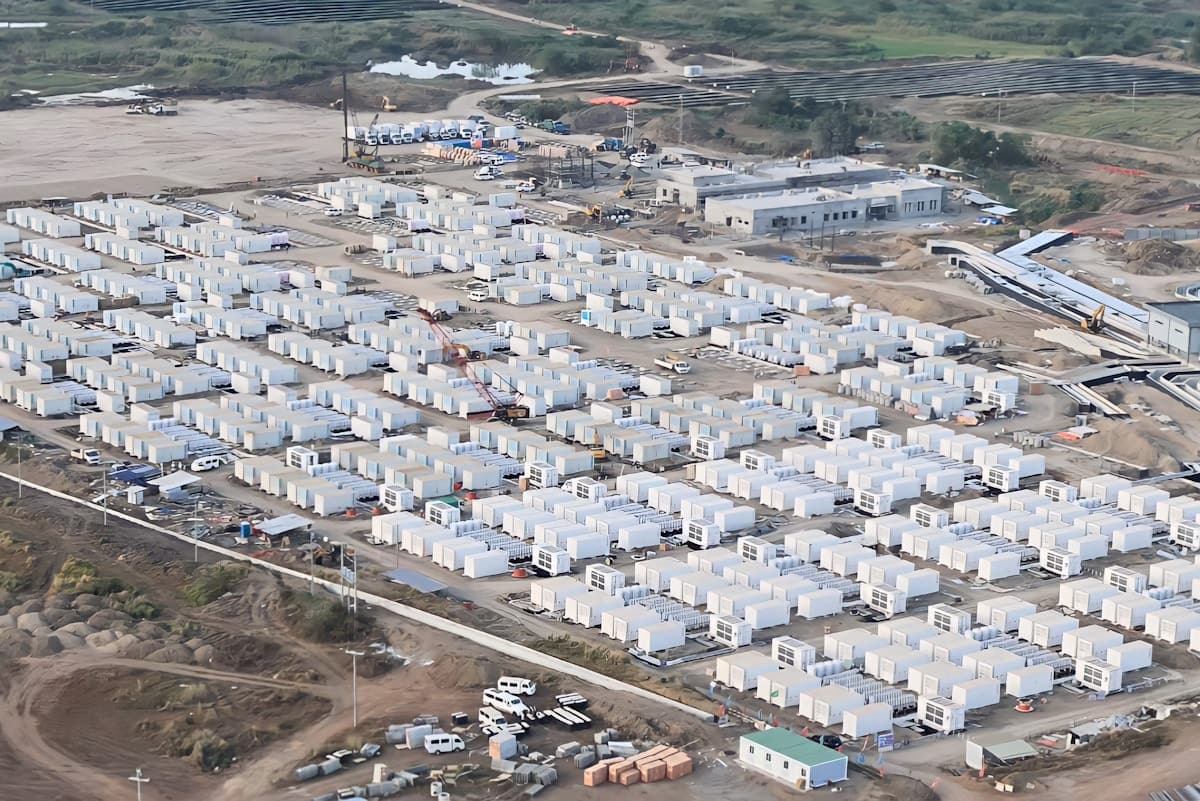
- •Philippines activated 250 MW solar + 450 MWh storage, fast‑tracking 1,471 MW renewables
- •Indonesia, Thailand, Vietnam also accelerate solar and storage investments regionally
Pulse Analysis
The Philippines’ 2030 solar ambition is more than an environmental milestone; it is a strategic hedge against the price volatility that has rippled through global energy markets since the Middle East conflict escalated. By substituting imported coal and LNG with domestically generated solar, the nation can avoid roughly $28 million in import costs, a figure that translates into lower generation expenses and, ultimately, cheaper electricity for households already burdened by steep fuel price adjustments.
Domestically, the government is turning policy into practice. In March, a 250 MW solar plant paired with a 450 MWh battery storage system went live, creating the Philippines’ largest operational storage facility. Simultaneously, developers are fast‑tracking about 1,471 MW of renewable and storage projects slated for commissioning by April, a move that could reshape the country’s power mix, where coal and gas currently dominate and account for around 60% of electricity bills. These initiatives not only curb import dependence but also enhance grid stability, allowing the nation to absorb intermittent solar output without compromising reliability.
Regionally, the Philippines’ push mirrors a broader Southeast Asian shift toward renewable energy, storage, and electric mobility. Indonesia has pledged an ambitious 100 GW of solar capacity over three years, while Thailand is financing rooftop solar and EV adoption with $154 million in soft loans. Vietnam is revising its Just Energy Transition Partnership to retire coal plants, and Laos and Cambodia are slashing fees and taxes on EVs and solar equipment. This collective momentum underscores a market reality: clean‑energy investments are becoming essential tools for energy security, cost containment, and climate commitments across the region, offering fertile ground for investors and policymakers alike.
Philippines could cut $28 million in fossil fuel imports by meeting 2030 solar target, says report
Comments
Want to join the conversation?
Loading comments...