Philippines DOE Targets 1,471MW Grid Boost by April 2026
Why It Matters
The additional capacity strengthens grid reliability amid volatile oil markets and supports the Philippines’ clean‑energy transition, reducing dependence on fossil fuels. Faster project delivery also mitigates potential supply shortfalls as electricity demand grows.
Key Takeaways
- •1,471 MW added by April 2026, mostly solar.
- •12 solar projects supply 1,284 MW of capacity.
- •DOE targets 200 projects in three years per EO 110.
- •Existing plants already provide ~1,179 MW, boosting supply margins.
- •Coordination with grid operators aims to avoid commissioning delays.
Pulse Analysis
The Philippines has long grappled with a power sector constrained by aging thermal plants and heavy reliance on imported oil, which makes electricity prices vulnerable to global market swings. Over the past decade, demand has risen at an average of 4‑5 % annually, driven by rapid urbanization and a burgeoning services economy. To keep pace, the government has prioritized renewable energy as a cost‑effective, climate‑friendly alternative, aiming to diversify the generation mix and lower the carbon intensity of its grid.
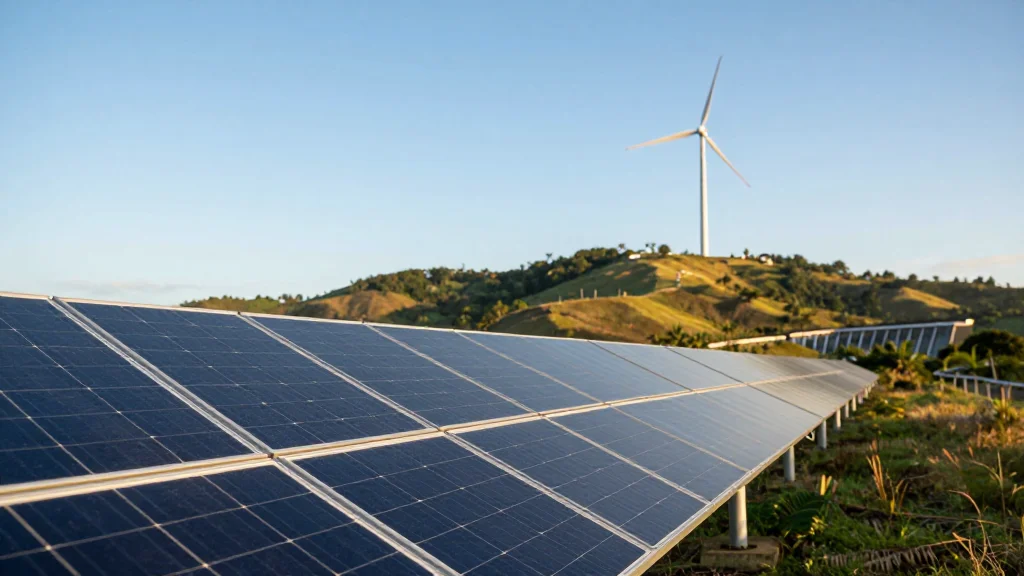
The Department of Energy’s latest roadmap targets 1,471 MW of new capacity by April 2026, with solar accounting for roughly 87 % of the addition. Twelve solar farms, together delivering about 1,284 MW, will be complemented by modest hydro, biomass, wind and a 20 MW integrated renewable‑energy storage system, underscoring a holistic approach to intermittency. Executive Order No. 110, signed by President Ferdinand Marcos Jr., mandates the fast‑tracking of 200 power‑plant projects within three years, reinforcing the policy push toward a greener, more resilient grid.
Accelerating these projects sends a clear signal to both domestic and foreign investors that the Philippines is a viable market for clean‑energy finance. The coordinated effort with the National Grid Corporation, the Energy Regulatory Commission and the Independent Electricity Market Operator aims to streamline transmission and interconnection approvals, reducing bottlenecks that have historically delayed commissioning. If the timeline holds, the added capacity could shave several percentage points off peak‑load shortages, lower wholesale electricity prices, and help the country meet its 2030 renewable‑energy target of 35 % of total generation. Long‑term, this momentum positions the archipelago to become a regional hub for green power export.
Philippines DOE targets 1,471MW grid boost by April 2026
Comments
Want to join the conversation?
Loading comments...