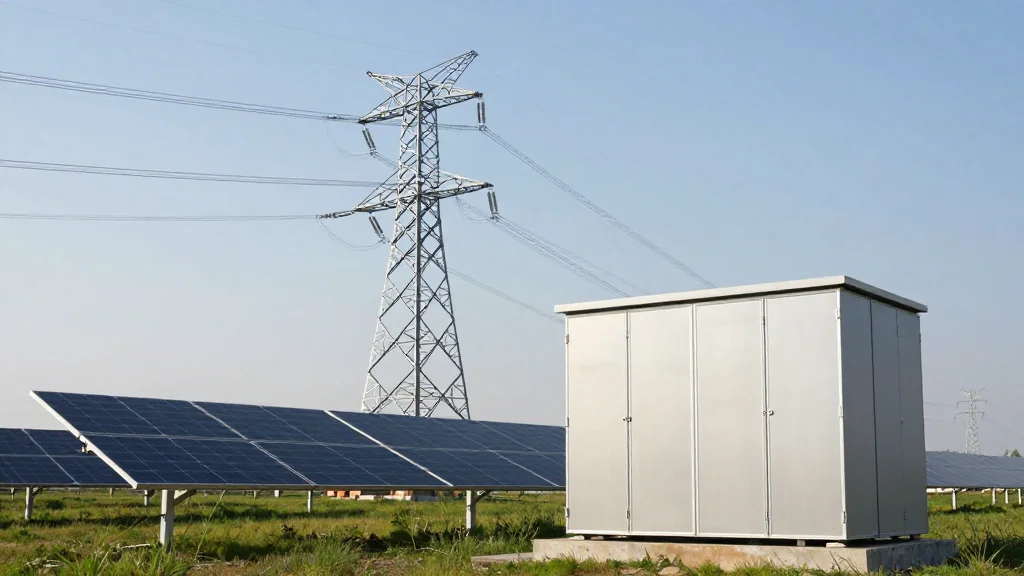
PJM Reopens Interconnection Queue, Unlocking 67 GW Storage and 14 GW Solar

Companies Mentioned
Why It Matters
Reactivating PJM’s interconnection queue removes a major bottleneck that has slowed renewable and storage deployment across one of the nation’s largest electricity markets. By prioritizing projects that are financially and site‑ready, PJM aims to reduce speculative filings, shorten study timelines, and enable faster integration of clean resources that are critical for meeting state‑level climate targets and federal decarbonisation mandates. The inclusion of AI‑based screening tools could set a new industry standard for how grid operators manage capacity planning in an era of rapid renewable growth. The scale of the queue—67 GW of storage and 14 GW of solar—represents a substantial addition to the region’s clean‑energy capacity. If these projects move forward as projected, they could dramatically lower future electricity costs, improve grid resilience, and contribute to the $178 billion savings estimated by AEU’s study. Moreover, PJM’s approach may influence other regional transmission organizations to adopt similar first‑ready, AI‑enhanced processes, reshaping the national interconnection landscape.
Key Takeaways
- •PJM reopened its standard interconnection queue, attracting 811 new project applications.
- •The queue includes roughly 67 GW of storage and 14 GW of solar seeking grid access.
- •Natural‑gas projects still dominate at 106 GW, but storage now ranks second in the backlog.
- •PJM is using an AI‑enabled tool from Tapestry and is urged to adopt additional automation platforms.
- •Doubling solar and storage deployment in PJM could save $178 billion by 2035, per an AEU‑sponsored study.
Pulse Analysis
PJM’s decision to reopen its interconnection queue is more than a procedural tweak; it signals a strategic pivot toward a data‑driven, readiness‑focused grid planning model. Historically, the first‑come, first‑served system encouraged developers to file speculative requests to secure a spot in the queue, inflating the backlog and delaying actual construction. By shifting to a first‑ready, first‑served framework, PJM is effectively rewarding capital certainty and site control, which should improve the signal quality for both the operator and investors.
The integration of AI tools from Tapestry, combined with calls for broader automation from RMI and AEU, could compress study timelines dramatically. If the ten‑day study target becomes realistic, PJM could set a benchmark that other RTOs will feel pressure to match, especially as the federal government pushes for faster renewable integration. However, the success of these tools will depend on data quality, model transparency, and the ability to handle the complex physics of grid constraints—a non‑trivial challenge that will require ongoing collaboration between grid operators, software firms, and regulators.
From a market perspective, the queue’s composition underscores a transitional moment: while natural‑gas remains the largest single category, the sheer volume of storage and solar applications reflects a maturing clean‑energy pipeline. Investors will likely view PJM’s revamped process as a de‑risking mechanism, potentially unlocking additional capital for projects that can meet the readiness criteria. In the longer term, faster interconnection could accelerate the retirement of coal and older nuclear plants, reshaping the generation mix and creating new opportunities for demand‑side resources and grid‑scale batteries. The next year will be a litmus test for whether PJM’s procedural overhaul can translate into tangible capacity additions and cost savings for ratepayers.
PJM Reopens Interconnection Queue, Unlocking 67 GW Storage and 14 GW Solar
Comments
Want to join the conversation?
Loading comments...