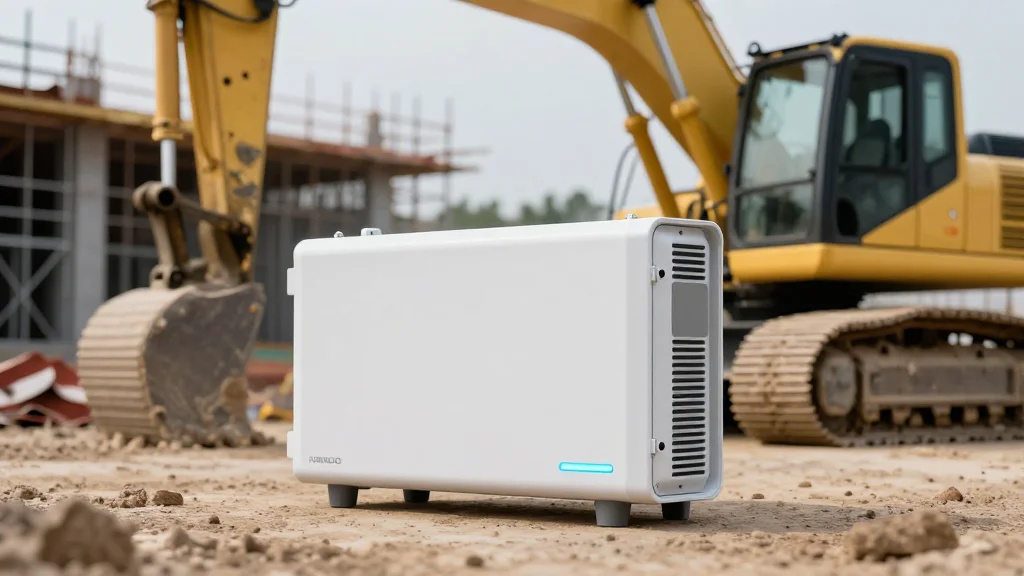
Port of Tilbury Showcases Hydrogen Power as Alternative to Diesel on Construction Sites
Why It Matters
Hydrogen power offers a reliable, low‑emission alternative to diesel, accelerating construction decarbonisation and demonstrating scalable supply‑chain models for future infrastructure projects.
Key Takeaways
- •GeoPura won $41 M contract to supply 2,500 t green hydrogen for LTC
- •Hydrogen generators have produced 39 MWh, using 2.33 t hydrogen so far
- •JCB excavator runs ~7 hours on 9 kg fuel, refuels faster than batteries
- •Hydrogen power eliminates diesel, aiming to replace 63 ML (~$54 M) diesel
- •LTC serves as UK carbon‑neutral construction pathfinder, showcasing supply‑chain partnerships
Pulse Analysis
Hydrogen is emerging as a cornerstone of construction decarbonisation, especially in regions where grid access is limited or delayed. In the UK, policy incentives and ambitious carbon‑neutral targets have spurred investment in green hydrogen production, with projects like GeoPura’s facility at the Port of Tilbury delivering large‑scale fuel directly to worksites. By bypassing traditional diesel generators, hydrogen not only cuts CO₂ emissions but also improves on‑site air quality and reduces noise, addressing community concerns around major infrastructure builds.
The Lower Thames Crossing (LTC) serves as a real‑world laboratory for this technology. GeoPura’s $41 million contract supplies 2,500 tonnes of green hydrogen, feeding six on‑site generators that have already generated 39 MWh of electricity while consuming just 2.33 tonnes of fuel. Equipment manufacturers such as JCB are adapting their fleets, with a hydrogen‑fuelled excavator delivering roughly seven hours of operation on a single 9 kg tank—significantly faster than recharging large battery packs. These deployments demonstrate that hydrogen can meet the reliability demands of heavy‑duty construction machinery, a critical factor when grid connections are postponed.
The broader implications for the construction sector are profound. Replacing an estimated 63 ML of diesel—worth about $54 million—signals a shift toward more sustainable supply chains and could set a benchmark for future mega‑projects across Europe and beyond. However, scaling hydrogen hinges on robust production infrastructure, logistics, and stakeholder collaboration, as highlighted by LTC’s partnership model. As hydrogen costs continue to fall and regulatory frameworks tighten, the technology is poised to become a mainstream alternative, reshaping how the industry approaches energy, emissions, and operational resilience.
Port of Tilbury showcases hydrogen power as alternative to diesel on construction sites
Comments
Want to join the conversation?
Loading comments...