Powered Remotely: Microgrids Connect Rural Communities with Sustainable Energy Security
•March 2, 2026
0
Why It Matters
Energy independence strengthens rural economies while accelerating global decarbonization, making microgrids a strategic priority for utilities and policymakers.
Key Takeaways
- •Microgrids reduce reliance on aging national grids
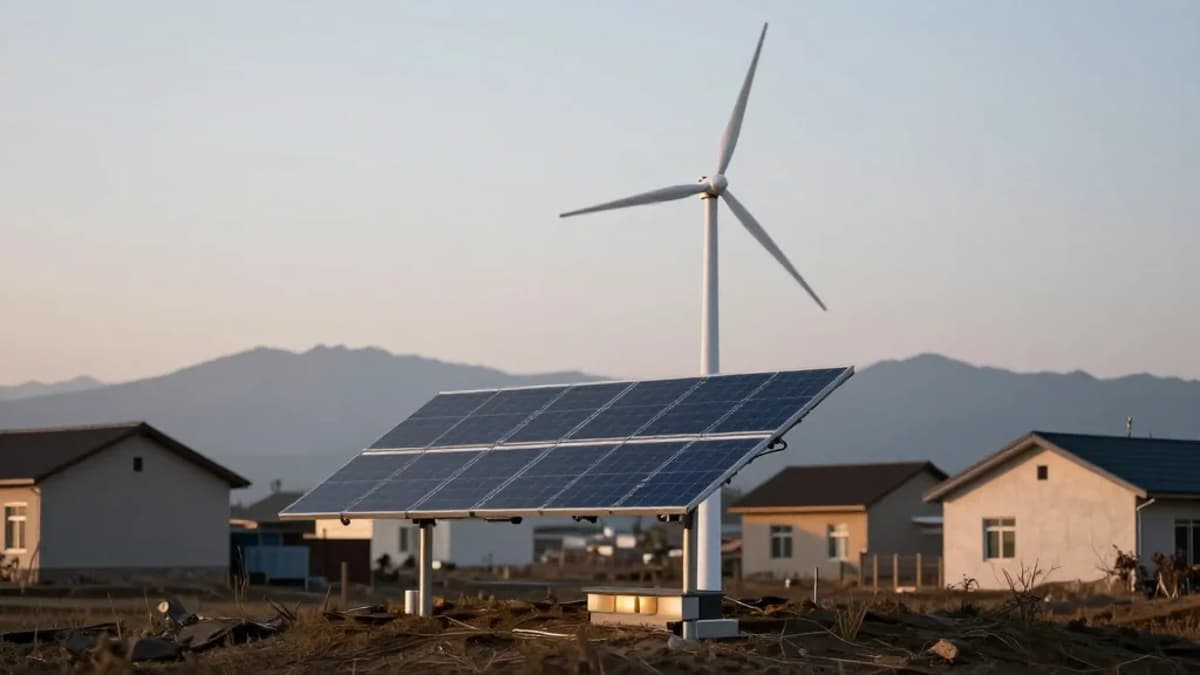
- •Solar, wind, and storage enable year‑round power
- •ABB provides design, construction, and support expertise
- •Islanded microgrids replace diesel, cut emissions
- •Funding and regulation challenge small‑community deployments
Pulse Analysis
Rural areas have long been vulnerable to power interruptions caused by weather, equipment failures, or outdated transmission lines. Microgrids address this fragility by creating self‑contained energy ecosystems that generate, store, and manage power locally. When connected to the broader grid, they can import electricity during deficits and export surplus renewable output, turning reliability into a two‑way economic asset for villages, farms and remote businesses.
The technical backbone of modern microgrids blends photovoltaic panels, wind turbines and battery energy storage systems (BESS) with advanced power‑conversion and control hardware. Artificial intelligence and machine‑learning algorithms now forecast load patterns, optimize dispatch, and pre‑empt faults, dramatically improving efficiency. ABB leverages decades of experience to integrate these components, offering turnkey solutions that include engineering design, installation, and long‑term service contracts, ensuring that communities receive both cutting‑edge technology and dependable maintenance.
Despite clear advantages, scaling microgrids faces hurdles. High upfront capital costs, complex permitting processes, and the need for skilled local operators can deter small municipalities. Policymakers are beginning to address these barriers through targeted subsidies, streamlined interconnection standards, and cybersecurity guidelines. As renewable generation costs continue to fall and storage capacity expands, microgrids are poised to become a mainstream pillar of energy security, reshaping how remote regions power their future.
Powered Remotely: Microgrids Connect Rural Communities with Sustainable Energy Security
0
Comments
Want to join the conversation?
Loading comments...