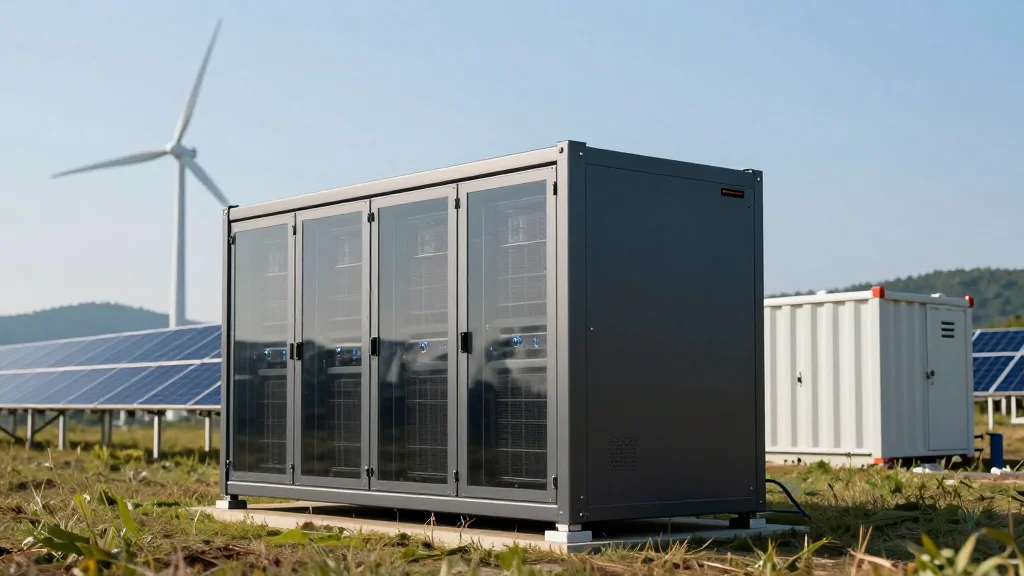
PureDC Unveils Europe’s First Microgrid-Powered Data Center in Dublin

Why It Matters
PureDC’s microgrid data center proves that high‑performance computing can be decoupled from unreliable, carbon‑intensive grids, offering a blueprint for climate‑tech investors seeking to fund resilient, low‑carbon infrastructure. By demonstrating a commercially viable, renewable‑gas‑backed power system, the project challenges the notion that AI growth must come at the expense of emissions. The deployment also highlights a broader shift in the data‑center industry: moving from passive grid consumers to active energy producers. This transition could unlock new financing models, reduce regulatory risk, and accelerate the adoption of renewable gas certificates, thereby strengthening Europe’s overall climate commitments.
Key Takeaways
- •PureDC’s 54 MW microgrid data center opened on Dublin’s Orion Business Park, a 14.2‑acre site.
- •Power architecture combines 9.8 MW Wärtsilä dual‑fuel engines, high‑voltage battery storage and 72‑hour HVO reserves.
- •Facility achieves five‑nine (99.999%) reliability without a traditional utility connection.
- •All electricity is matched with Irish Renewable Gas Guarantees of Origin and European Biomethane Guarantees of Origin.
- •Project took seven years from concept to operation, addressing a grid connection timeline of 8‑10 years in Dublin.
Pulse Analysis
PureDC’s microgrid represents a strategic inflection point for the climate‑tech sector, where energy security and carbon neutrality intersect. Historically, data centers have been among the most grid‑dependent assets, often located near abundant power sources to guarantee uptime. By internalising power generation, PureDC not only sidesteps the lengthy grid‑connection process that can kill time‑sensitive AI projects, but also creates a replicable asset class that can be financed similarly to traditional infrastructure projects. This could attract a new wave of capital from pension funds and sovereign wealth entities that demand both stable returns and ESG compliance.
The choice of renewable gas over pure electricity reflects a pragmatic assessment of Europe’s current energy mix. While hydrogen remains a long‑term goal, the existing gas network provides a reliable conduit for low‑carbon fuels, and the addition of HVO offers a carbon‑neutral liquid fallback. This hybrid approach reduces exposure to fuel price volatility and regulatory uncertainty, positioning PureDC to scale quickly across markets where hydrogen pipelines are not yet mature.
Looking ahead, the success of PureDC’s model will likely spur competitive responses. Companies with deep utility ties may accelerate their own microgrid pilots, while cloud providers could partner with renewable‑gas producers to secure similar contracts. The key question will be whether the economics of such microgrids can be matched or improved upon at scale, especially as battery costs continue to fall and green hydrogen becomes more affordable. If PureDC can demonstrate cost parity with grid‑sourced power while delivering superior reliability, the microgrid could become the default architecture for future AI‑intensive facilities.
PureDC Unveils Europe’s First Microgrid-Powered Data Center in Dublin
Comments
Want to join the conversation?
Loading comments...