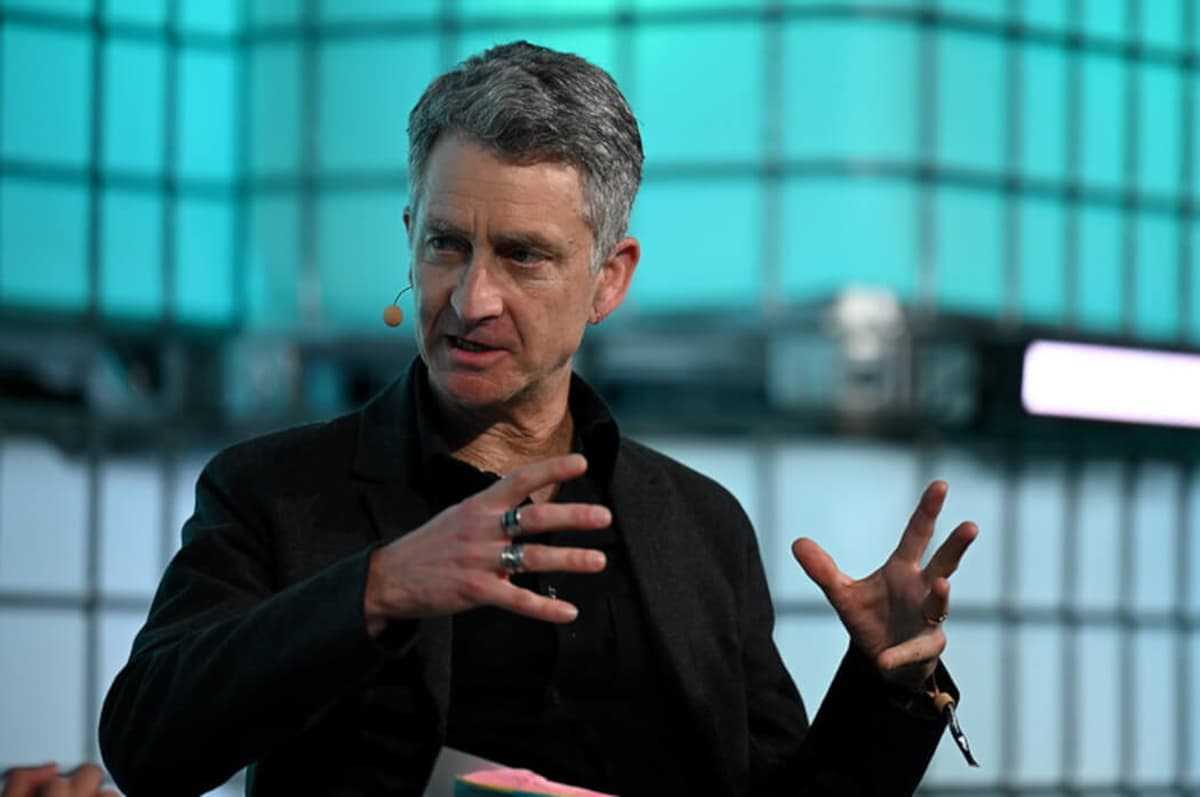
Q&A: Why Cleantech Might Not Be as Clean as It Seems
Companies Mentioned
Why It Matters
Understanding the hidden impacts of critical‑mineral mining is essential for investors, policymakers and consumers to ensure the energy transition delivers genuine climate and social benefits.
Key Takeaways
- •Critical minerals like lithium, nickel, cobalt power batteries and magnets
- •Mining in Indonesia and Congo causes deforestation and child labor
- •Recycling e‑waste could recover $62 billion in metals annually
- •Canada’s strict regulations slow new mines, pushing development abroad
- •Re‑mining waste piles offers a less harmful source of critical metals
Pulse Analysis
The push for renewable electricity is often framed as a clean break from fossil fuels, yet the supply chain that powers batteries, wind turbines and solar panels is anything but pristine. Critical metals such as lithium, nickel and cobalt are extracted in regions where rainforest clearance, water contamination and child labor are commonplace. As Vince Beiser explains, the transition simply swaps one set of environmental and human‑rights challenges for another, exposing a hidden cost that policymakers and investors can no longer ignore.
Mitigating these impacts hinges on two complementary strategies: extending the life of existing assets and reclaiming metals from waste. Second‑life battery projects, such as those showcased by Moment Energy, turn retired EV packs into grid‑scale storage, reducing the need for fresh ore. Meanwhile, a growing wave of e‑waste recyclers and “re‑mining” firms are extracting copper, nickel and cobalt from discarded devices and legacy mine tailings, potentially unlocking $62 billion of material value each year. Scaling these solutions will require stronger regulatory incentives and consumer habits that favor repair over replacement.
The strategic implications are clear for North America. While Canada boasts abundant critical‑mineral deposits, stringent environmental, labour and Indigenous‑consultation standards make new projects slower and costlier than in Indonesia or the Philippines, prompting many firms to outsource extraction abroad. The United States faces a similar dilemma, balancing legacy fossil‑fuel interests with a political backlash against new mines. Investors who overlook the hidden supply‑chain risks may find their clean‑energy portfolios exposed to ESG controversies. Accelerating domestic recycling, supporting re‑mining research and streamlining responsible permitting could keep the green transition both environmentally sound and economically competitive.
Q&A: Why cleantech might not be as clean as it seems
Comments
Want to join the conversation?
Loading comments...