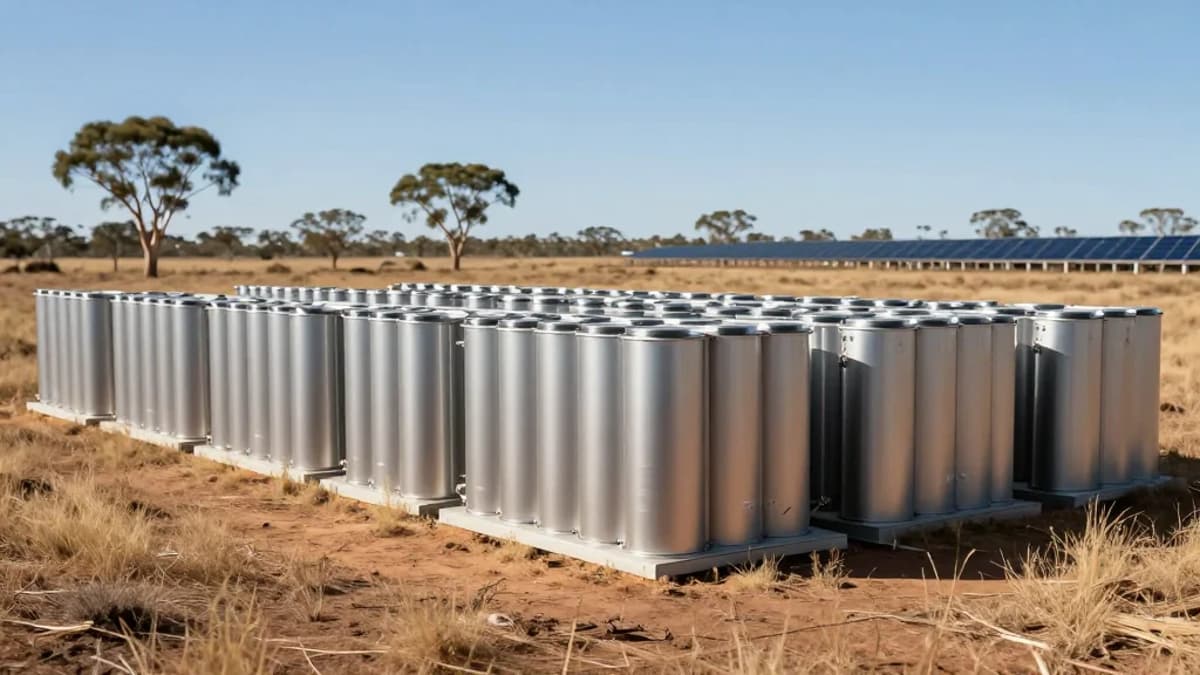
Queensland LNP Adds Four-Hour Bundaberg Big Battery to Proposed Call-In List
•March 3, 2026
0
Companies Mentioned
Why It Matters
The outcome will determine whether a major storage asset can proceed under Queensland’s tightened planning regime, influencing renewable integration and investor confidence in the state’s energy transition.
Key Takeaways
- •Minister Bleijie issued call‑in after 10 community requests
- •Project capacity up to 500 MW, four‑hour storage
- •Council failed statutory decision, prompting court referral
- •Iberdrola reports 60% regional support after outreach
- •Call‑in decision will be final, no further appeals
Pulse Analysis
Queensland’s Liberal‑National Party has turned the planning process into a political lever, using the ministerial call‑in power to pause or overturn large‑scale energy projects. Since early 2025 the planning minister, Jarrod Bleijie, has placed three big‑battery proposals—including the 300 MW Capricorn battery and the 200 MW Pleystowe storage—on a formal review list. The mechanism forces a full assessment by the Planning and Environment Court, effectively bypassing local council decisions and accelerating compliance with the state’s new Development Code 23. This approach signals a tighter regulatory climate for renewable infrastructure in the state.
The Bundaberg Regional Battery, slated for up to 500 MW and four‑hour storage, sits on private land near the Gin Gin substation. Local council and more than a dozen residents filed formal requests, citing fire safety, water contamination and site suitability concerns, prompting the minister to refer the development application to the Planning and Environment Court. Iberdrola Australia has responded with additional engineering studies, an executive‑summary fact sheet, and a community‑engagement campaign that it says has lifted regional support to roughly 60 percent. The outcome now hinges on whether the call‑in review validates those mitigations or forces a project halt.
For investors and developers, the Bundaberg case underscores the growing importance of early, documented community consent and rigorous environmental assessments in Queensland. The final, non‑appealable decision will set a benchmark for how big‑battery projects navigate the state’s tightened code, potentially influencing the timing and cost of similar storage assets across Australia’s eastern grid. While successful approval could add critical firming capacity to support renewable penetration, a rejection would reinforce the perception of regulatory risk, prompting developers to re‑evaluate site selection and stakeholder‑engagement strategies.
Queensland LNP adds four-hour Bundaberg big battery to proposed call-in list
0
Comments
Want to join the conversation?
Loading comments...