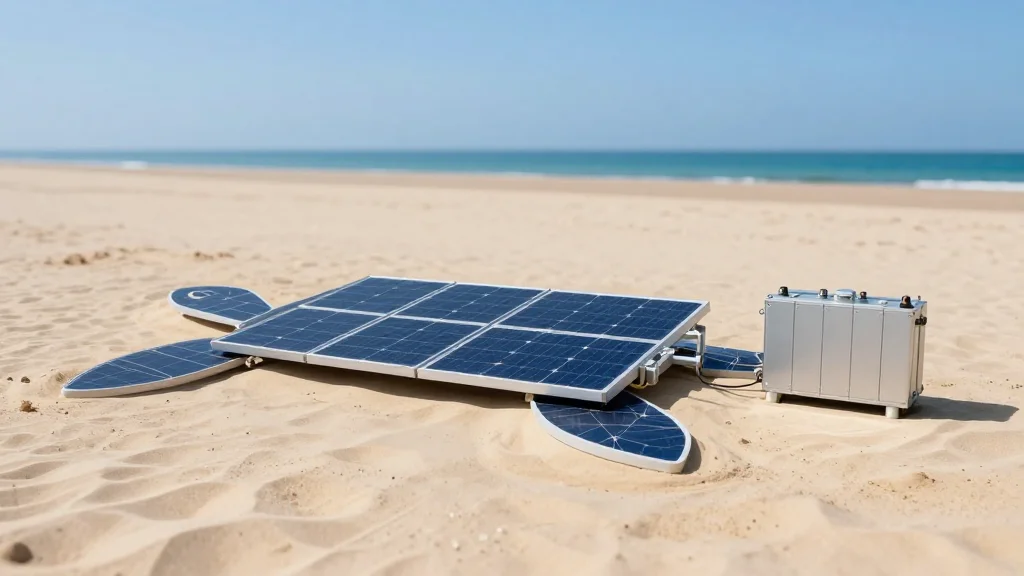
Remote Australian Community Secures Permit for Sun Turtle Solar and Battery Project
Why It Matters
By displacing most diesel generation, the project cuts energy costs, reduces emissions, and demonstrates a scalable model for Indigenous energy sovereignty in remote Australia.
Key Takeaways
- •100% First Nations-owned solar‑battery plant approved.
- •3.25 MW battery will power 80% of local electricity demand.
- •$8.6 million project replaces most diesel generation in Djarindjin.
- •3,408 panels form community’s official symbol on Dampier Peninsula.
- •Project creates training jobs and revenue for local Aboriginal corporation.
Pulse Analysis
Remote Australian communities have long grappled with high diesel prices and unreliable power, hampering economic growth and quality of life. The Djarindjin and Lombadina settlements, situated over 1,600 km from major grids, exemplify this challenge. By pursuing a locally controlled renewable solution, the First Nations Clean Energy Network is turning a chronic vulnerability into an opportunity for self‑determination, aligning with broader national goals to decarbonize remote energy supply.
The Sun Turtle project, budgeted at AUD 12 million (about US$8.6 million), combines 3,408 solar panels—artfully laid out to mirror the Djarindjin emblem—with a 3.25 MW battery energy storage system. This configuration is designed to meet roughly 80% of the community’s electricity demand, relegating diesel to a backup role. The battery enables load shifting and grid stability for the microgrid, while the solar array’s capacity reduces peak diesel consumption, translating into lower fuel imports and operational costs. Funding from government grants and private investors underscores growing confidence in Indigenous‑led clean‑energy ventures.
Beyond immediate energy savings, the initiative promises lasting socioeconomic benefits. Training programs embedded in the construction and operation phases will equip local residents with technical skills, fostering a skilled workforce that can service future infrastructure across the Kimberley region. Revenue streams from surplus power sales and ancillary services are earmarked for community development, reinforcing economic independence. As a replicable template, Sun Turtle could inspire similar projects in other remote First Nations locales, accelerating Australia’s transition to a low‑carbon economy while honoring Indigenous sovereignty.
Remote Australian community secures permit for Sun Turtle solar and battery project
Comments
Want to join the conversation?
Loading comments...