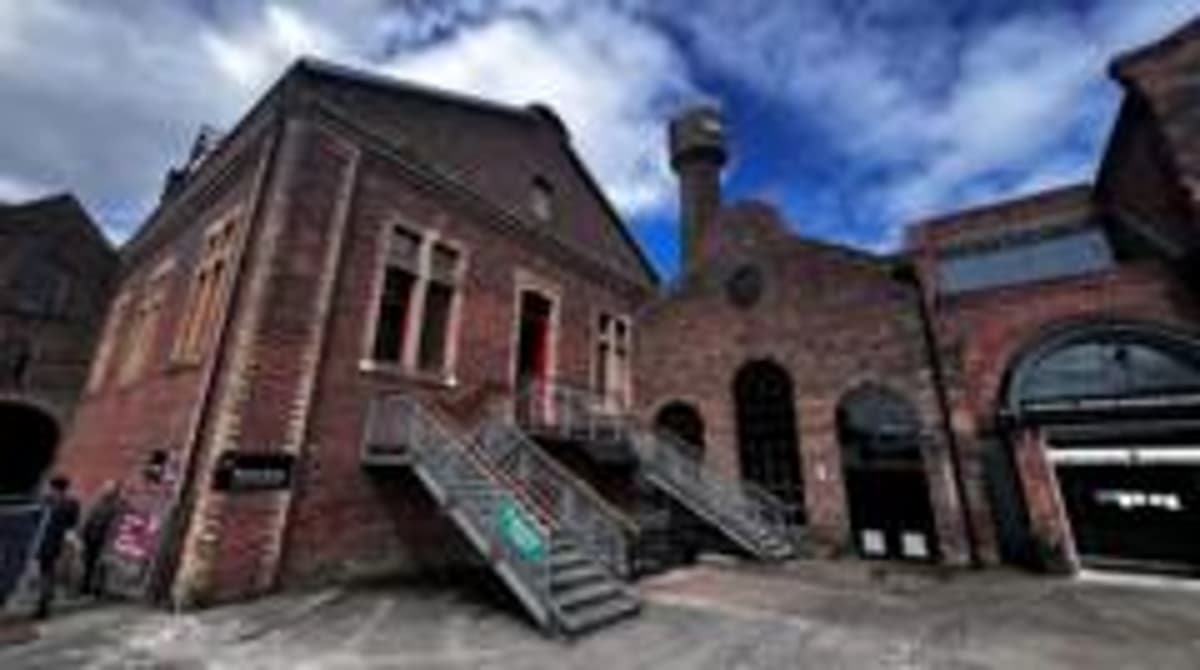
Renewable Energy Hub Planned for Scottish Coal Museum
Why It Matters
By turning a historic coal‑mining site into a green power source, the museum creates a sustainable revenue model that offsets operating costs and showcases a tangible pathway from fossil‑fuel legacy to renewable energy. The project also demonstrates how heritage assets can be leveraged for community‑level decarbonisation.
Key Takeaways
- •Solar array will produce ~100 kW, enough for museum and excess export
- •Battery storage enables rapid EV charging for nearby former pit houses
- •Project seeks £450k (~$576k) crowdfunding to fund panels and battery
- •Heritage building constraints require phased rooftop installation after ground array
- •Hub creates revenue stream, lowers bills, and supports museum preservation
Pulse Analysis
Scotland’s push to repurpose former industrial sites is gaining momentum, and the Lady Victoria Colliery conversion is a flagship example. By installing a 100‑kilowatt solar farm on the museum’s grounds, the project taps underused land to generate clean electricity that meets the site’s demand and feeds surplus power back into the national grid. Coupled with a container‑sized lithium‑ion battery, the system can store energy for peak‑time use, smoothing out intermittency and enabling ultra‑rapid electric‑vehicle chargers for residents of the surrounding former pit‑house community. This hybrid approach sidesteps the costly, multi‑decade grid connection that a four‑megawatt line would require, illustrating how localized storage can unlock renewable projects in constrained networks.
Heritage considerations add a layer of complexity rarely seen in standard solar deployments. The museum’s Grade‑A‑listed buildings demand careful structural analysis before rooftop panels can be mounted, prompting a phased rollout that prioritises ground‑mounted arrays first. Engineers must balance preservation of Victorian‑era architecture with modern load‑bearing requirements, often involving specialist conservation contractors. This careful integration not only protects the site’s historical integrity but also sets a precedent for other heritage venues seeking to adopt low‑carbon technologies without compromising their cultural value.
Beyond the technical and preservation challenges, the hub serves as an economic catalyst. The £450,000 fundraising target—roughly $576,000—will be met through a crowd‑funding campaign that engages the public, alumni, and corporate sponsors, turning community support into tangible financial backing. Revenue from electricity sales and reduced utility costs will underwrite museum operations and fund educational programs, including hands‑on training for engineering students in renewable‑energy systems. By marrying heritage tourism with sustainable infrastructure, the project offers a replicable model for other post‑industrial regions aiming to transition to a greener economy while preserving their historical narratives.
Renewable energy hub planned for Scottish coal museum
Comments
Want to join the conversation?
Loading comments...