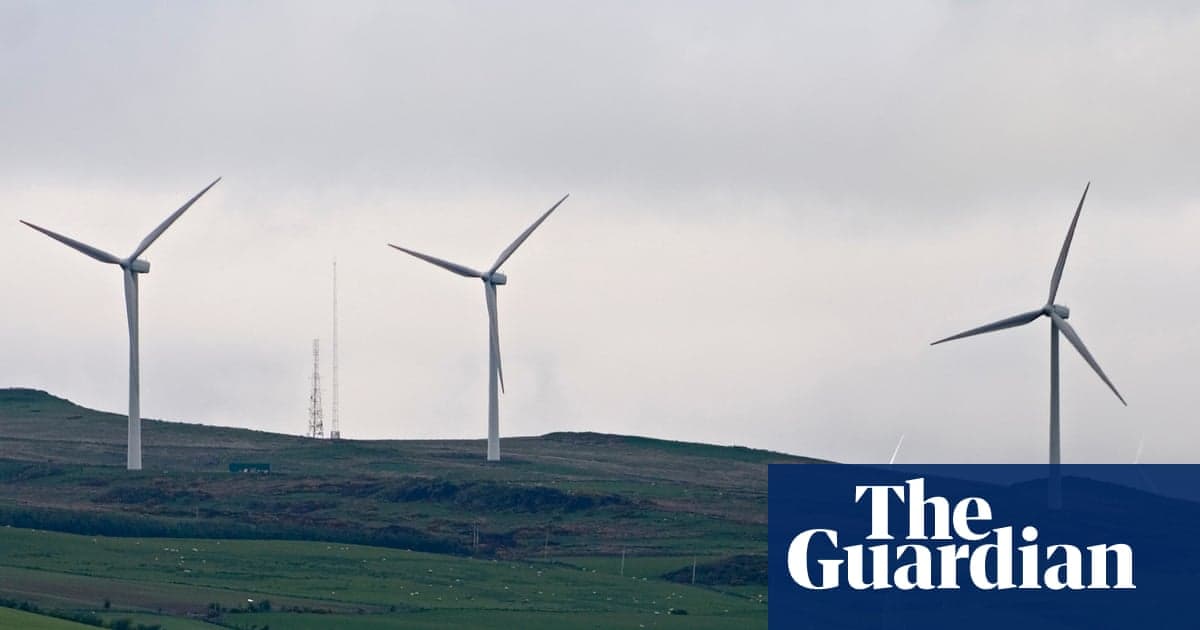
Renewable Energy Will Boost National Security and Protect UK From Sabotage, Minister Says
Why It Matters
A shift toward distributed renewable infrastructure reduces physical and cyber‑attack vectors, strengthening national defence and energy independence. The stance signals policy momentum that could reshape UK energy investments away from fossil‑fuel extraction.
Key Takeaways
- •Dispersed wind and solar assets reduce vulnerability to physical attacks
- •UK minister cites Ukraine’s energy war as proof of renewable resilience
- •Military chiefs endorse renewables for national security and deterrence
- •Undersea cable protection steps up amid Russian submarine threat
- •IEA warns new North Sea drilling adds little to energy security
Pulse Analysis
The UK’s security narrative is increasingly anchored in energy decentralisation. By spreading generation across thousands of wind turbines and solar arrays, the country limits the impact of any single strike, whether kinetic or cyber. This approach mirrors the Ukrainian experience, where Russian missile and drone attacks on centralized power plants have crippled supply, prompting a rapid pivot to modular, renewable solutions. Analysts see the UK’s push as a strategic hedge against both geopolitical shocks and supply‑chain disruptions that have plagued fossil‑fuel markets.
Former senior military leaders have entered the policy arena, arguing that a resilient homeland begins with a resilient grid. Their endorsements dovetail with the International Energy Agency’s warning that new North Sea drilling licences would add negligible security value while entangling the UK in volatile commodity markets. Consequently, Westminster is re‑evaluating subsidies and permitting processes to accelerate offshore wind, solar farms, and emerging small modular reactors, all of which promise lower emissions and a more distributed risk profile.
Technical safeguards are moving from rhetoric to implementation. The Ministry of Defence is coordinating with energy firms to harden under‑sea cables that link offshore wind farms, addressing concerns about Russian submarine surveillance. Simultaneously, a national cyber‑security framework is being rolled out to protect grid control systems. As 56 nations convene in Colombia to chart a post‑fossil future, the UK’s blend of policy, military endorsement, and infrastructure hardening positions it as a model for integrating energy transition with national security imperatives.
Renewable energy will boost national security and protect UK from sabotage, minister says
Comments
Want to join the conversation?
Loading comments...