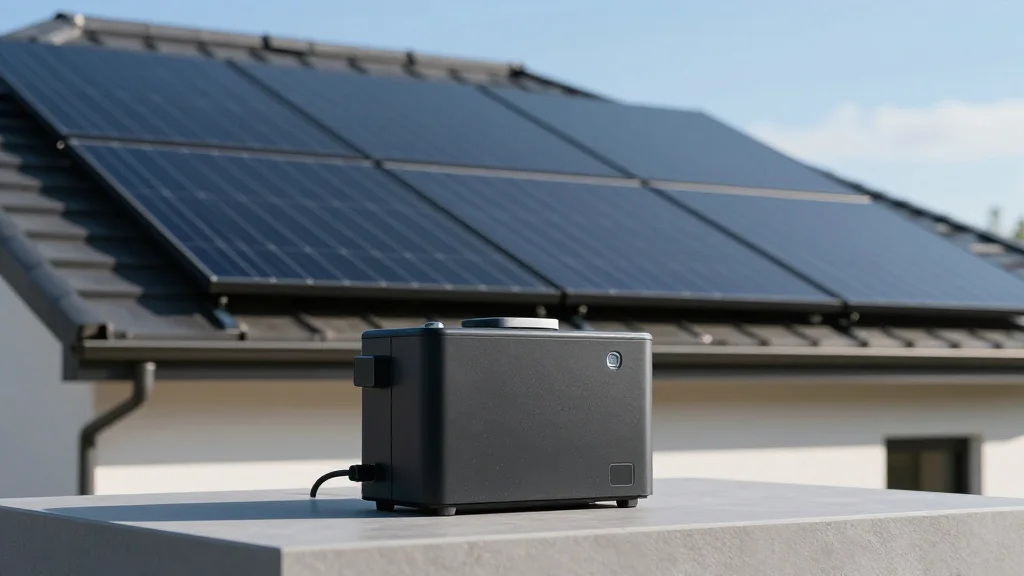
Residential Solar Demand Shifts From Incentives to Infrastructure as Homeowners Seek Control
Why It Matters
The shift signals a maturing market where solar becomes core home infrastructure, expanding the customer base and creating new revenue streams for installers and financiers. It also pressures utilities and policymakers to address grid resilience and rate design.
Key Takeaways
- •Solar now seen as essential infrastructure, not optional upgrade
- •Rising rates and outages drive demand for storage backup
- •Geographic expansion into Texas, Arizona, Southeast markets
- •Financing complexity rises as 25D expires and rates climb
- •Homeowners actively manage load with smart storage systems
Pulse Analysis
The residential solar sector is undergoing a structural transformation. Historically buoyed by the federal 30% Investment Tax Credit, adoption was largely a financial optimization exercise. With the 25D credit now expired and interest rates climbing, homeowners are re‑evaluating solar through the lens of long‑term cost certainty and resilience. Higher electricity tariffs and frequent outages have turned on‑site generation and battery backup into risk‑mitigation tools, especially as households add electric vehicles and heat pumps.
Geographically, the market is shedding its niche status. While California, Hawaii, and the Northeast remain strong, states like Texas, Arizona, and parts of the Southeast are witnessing a surge in solar‑plus‑storage projects. Grid stress from data‑center load growth and extreme weather events is prompting homeowners to act where the grid feels the pressure most. This broader footprint forces installers to adapt designs for diverse climates and regulatory environments, while financiers develop flexible products that balance higher upfront costs with longer payback horizons.
At the consumer level, the narrative has shifted from passive consumption to active participation. Smart inverters and home energy management systems now automate load shifting, allowing users to store excess solar, avoid peak rates, and even export power when profitable. This engagement deepens the value proposition of solar, turning it into a platform for broader energy‑efficiency initiatives. As the sector matures, utilities, policymakers, and investors will need to align incentives, rate structures, and grid‑modernization efforts to sustain this momentum.
Residential solar demand shifts from incentives to infrastructure as homeowners seek control
Comments
Want to join the conversation?
Loading comments...