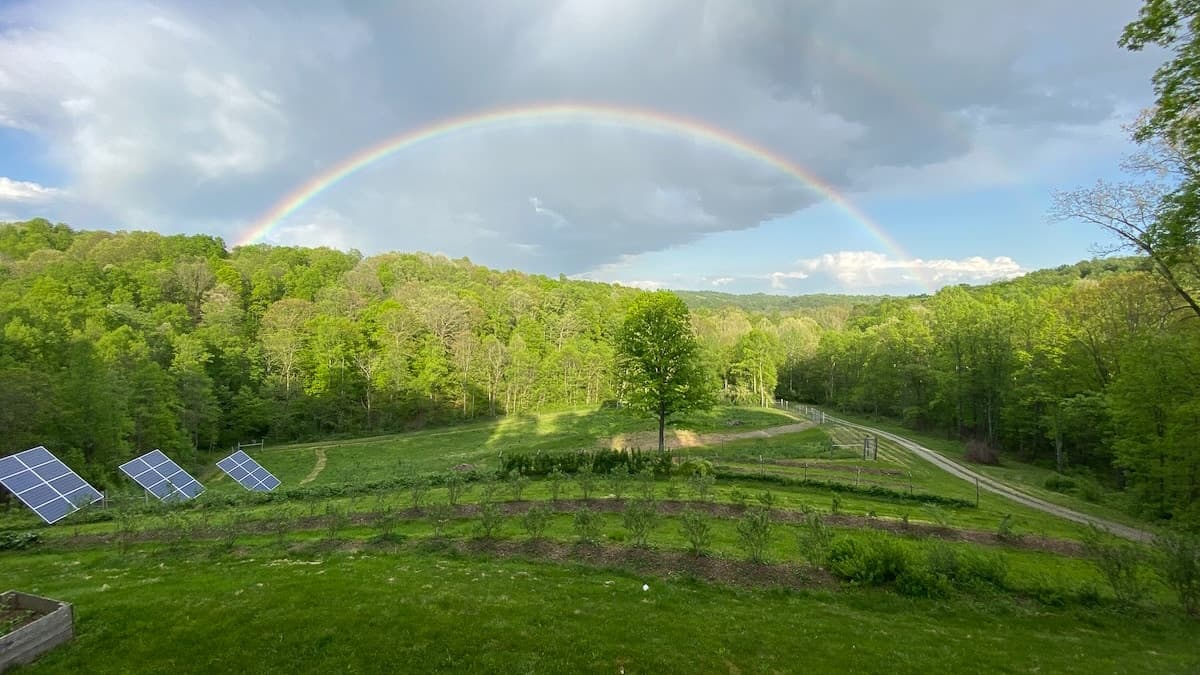
Responding to Our Changing World
Why It Matters
Off‑grid living shows both the feasibility of low‑carbon lifestyles and the vulnerability of such systems to climate extremes, signaling a need for systemic mitigation and adaptation strategies.
Key Takeaways
- •Solar and rainwater systems enable self‑sufficiency for off‑grid households
- •Climate‑driven droughts stress crops and local forest health
- •Extreme thunderstorms increase runoff, challenging water storage
- •Resilience requires continuous conservation and adaptive farming practices
- •Personal sustainability stories can motivate broader climate policy
Pulse Analysis
The off‑grid movement has shifted from niche experimentation to a viable model for reducing carbon footprints. Advances in photovoltaic efficiency, battery storage, and rainwater harvesting have lowered entry barriers, allowing households to generate electricity, capture potable water, and cultivate food with minimal external inputs. These technologies not only cut utility bills but also demonstrate a scalable pathway for decentralized energy and water security, especially in regions where grid reliability is uncertain.
However, the climate reality confronting off‑grid pioneers is increasingly harsh. Prolonged droughts and heatwaves diminish soil moisture, forcing growers to adopt water‑wise irrigation and drought‑tolerant crops. Simultaneously, intense thunderstorms generate rapid runoff that can overwhelm rainwater tanks and erode topsoil. Such volatility forces self‑reliant families to continuously refine conservation tactics, blending traditional agronomy with real‑time weather analytics. Their adaptive strategies provide a microcosm of the broader agricultural sector’s need to pivot toward climate‑smart practices.
The broader implication is clear: personal sustainability experiments can inform public policy. When individuals document successes—like integrating solar micro‑grids with community water sharing—or failures—such as storage overflow during flash floods—they generate data that policymakers can translate into incentives, building codes, and resilience programs. Amplifying these grassroots insights accelerates the transition to a low‑carbon economy, encouraging investment in renewable infrastructure while highlighting the urgency of climate mitigation at the national level.
Responding to Our Changing World
Comments
Want to join the conversation?
Loading comments...