Rolls-Royce Wants to Cut Mining's Biggest Fuel Bill by 30%
Companies Mentioned
Why It Matters
Fuel accounts for up to 40% of total mining operating costs, so a 30% reduction can translate into billions of dollars saved and help firms meet tightening ESG mandates.
Key Takeaways
- •Hybrid haul trucks aim to slash fuel use by 30%.
- •Rolls‑Royce Power Systems will begin field tests in autumn 2026.
- •Reduced fuel consumption lowers operating costs and carbon emissions.
- •Mining firms could see billions in savings over truck lifespans.
- •Hybrid technology aligns with ESG targets and stricter regulations.
Pulse Analysis
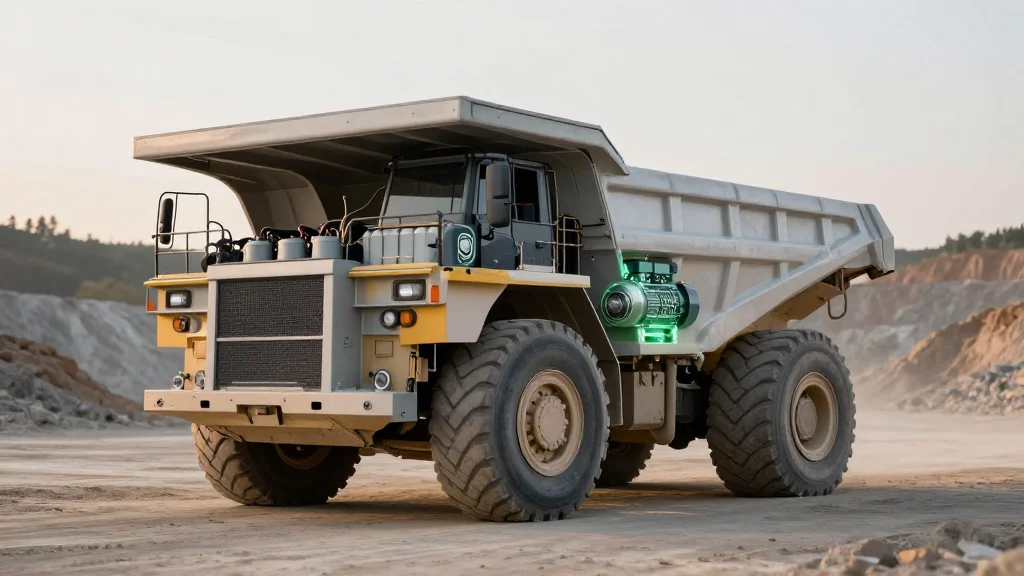
Open‑pit mining operations are among the most energy‑intensive enterprises, with diesel fuel often representing 30‑40% of total operating expenditures. Volatile oil prices and mounting pressure to curb greenhouse‑gas emissions have forced mine owners to seek more efficient power solutions. Rolls‑Royce Power Systems, a long‑standing provider of industrial engines, is leveraging its expertise in marine and aerospace propulsion to create a hybrid drive that blends electric motors with traditional diesel engines. The goal is to deliver comparable haul‑truck performance while slashing fuel drawdown.
The hybrid system pairs a downsized diesel generator with a high‑capacity battery pack, allowing the truck to operate in electric‑only mode during low‑load cycles and to capture regenerative energy during braking. Preliminary simulations suggest a 30% reduction in diesel consumption, translating into roughly a 25% drop in CO₂ output per tonne moved. Rolls‑Royce plans to install prototype units on a flagship mine in the latter half of 2026, with performance data feeding into a commercial rollout slated for 2028.
If the field trial confirms the projected savings, mining firms could shave billions of dollars off fuel budgets over a truck’s 15‑year lifespan, while simultaneously advancing ESG scores required by investors and regulators. The technology also positions hybrid haul trucks as a stepping stone toward fully electric fleets, which many major miners have earmarked for the 2030 horizon. However, widespread adoption will depend on battery durability, charging infrastructure, and the total cost of ownership versus conventional diesel rigs. Nonetheless, Rolls‑Royce’s initiative signals a pivotal shift toward greener, cost‑effective mining equipment.
Rolls-Royce wants to cut mining's biggest fuel bill by 30%
Comments
Want to join the conversation?
Loading comments...