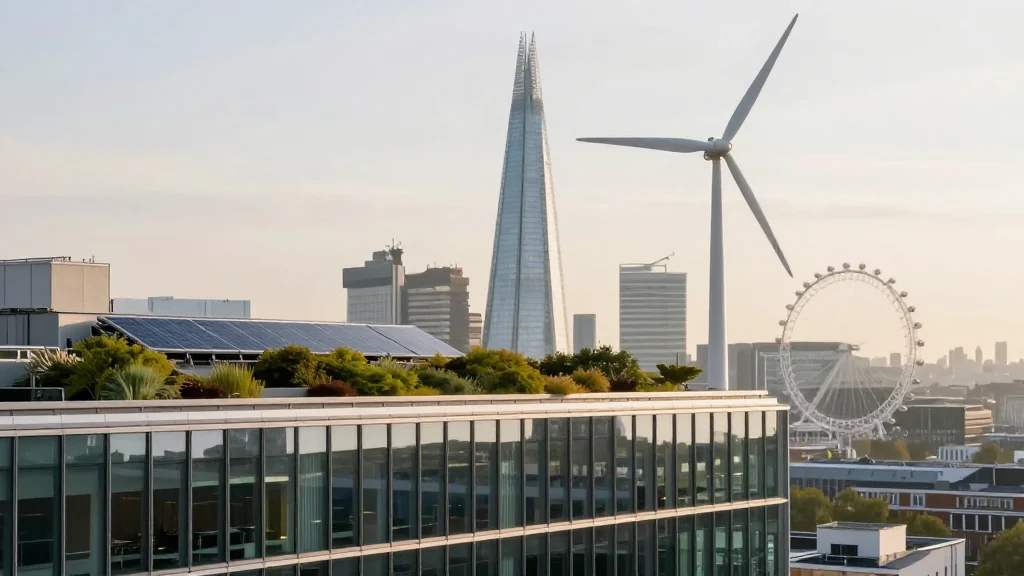
Sadiq Khan: ‘I Want London to Be World Leader for Green Data Centre Development’
Why It Matters
Coordinated planning and massive grid investment are essential to sustain London’s digital economy while meeting climate targets, positioning the city as a benchmark for sustainable tech infrastructure worldwide.
Key Takeaways
- •London hosts 99 data centres, 760 MW peak demand.
- •Grid connection requests are ten times current capacity.
- •Mayor proposes city‑wide partnership to accelerate green data centre rollout.
- •National Grid to invest ~$3.75 bn in London’s electricity network.
- •Waste‑heat from data centres will feed low‑carbon heating networks.
Pulse Analysis
The rapid proliferation of data centres and AI workloads is reshaping urban energy landscapes worldwide, and London sits at the epicentre of this shift. With 99 facilities consuming roughly 760 MW – comparable to the power needs of three‑quarters of a million homes – the capital already accounts for the United Kingdom’s largest data‑centre footprint. Yet the surge in demand is outpacing the existing grid, as connection applications now total tenfold the current capacity, highlighting a looming infrastructure bottleneck that could constrain digital innovation if left unchecked.
Mayor Sadiq Khan’s response is a coordinated, cross‑sectoral framework that seeks to align housing, transport decarbonisation and digital growth under a single strategic umbrella. By embedding a dedicated data‑centre policy into the forthcoming London Plan and launching a city‑wide roundtable, the administration aims to streamline approvals, accelerate low‑emission technologies and ensure new sites are sited where power, land and connectivity converge. The pledge of roughly $3.75 bn from National Grid to reinforce the electricity network over the next five years underscores the scale of public‑private collaboration required to meet both economic and climate objectives.
If successful, London could become a living laboratory for sustainable data‑centre practices, from advanced cooling and waste‑heat recovery to integrated heat networks that supply low‑carbon heating to nearby communities. Such innovations not only reduce operational emissions but also create new revenue streams and bolster the city’s reputation as a green‑tech leader. The ripple effect may influence national policy, encouraging other European hubs to adopt similar models, thereby accelerating the continent’s transition to a low‑carbon digital economy.
Sadiq Khan: ‘I want London to be world leader for green data centre development’
Comments
Want to join the conversation?
Loading comments...