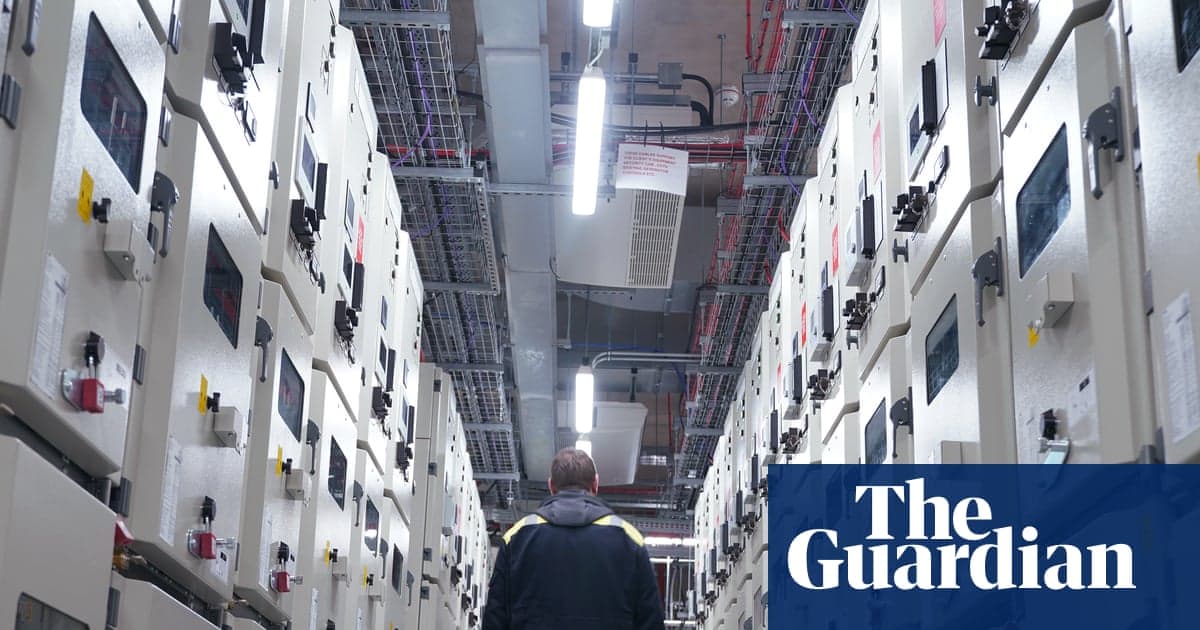
Scotland’s ‘Green Datacentres’ Policy Ignores Emissions Impact of AI, Analysis Shows

Why It Matters
Without a robust definition, green‑labelled datacentres may bypass emissions scrutiny, undermining Scotland’s net‑zero targets and risking grid reliability as AI workloads surge.
Key Takeaways
- •Scotland lacks a legal definition for “green datacentre.”
- •Planned AI zone seeks $10.4 bn private investment, 6.2 GW power demand.
- •Diesel backup generators equal emissions of 100,000 idling cars.
- •Over 100 projects have applied for gas connections, risking net‑zero goals.
- •Policy analysis predates AI surge, ignoring modern AI energy use.
Pulse Analysis
Scotland has positioned ‘green datacentres’ as a cornerstone of its post‑pandemic economic revival, hoping to attract the next wave of artificial‑intelligence investment. The National Planning Framework 4 references these facilities as having a “negligible impact” on greenhouse‑gas targets, yet it offers no statutory definition of what qualifies as green. This regulatory vacuum allows developers to label high‑energy AI clusters as environmentally friendly, even when the underlying emissions calculations stem from a 2022 analysis that predates the explosive growth of large‑language models. As a result, policymakers risk endorsing projects that could erode the country’s climate ambitions.
The proposed AI growth zone in Lanarkshire alone is projected to draw about 6.2 GW of electricity—roughly one‑and‑a‑half times the nation’s winter peak demand. While Scotland’s wind and hydro portfolio provides abundant renewable capacity, the timing and reliability of that supply remain uncertain. Several datacentres have already installed 200 diesel backup generators, emissions comparable to 100,000 idling cars, and more than 100 projects have applied for new gas connections to bridge anticipated shortfalls. These choices not only increase direct carbon output but also strain the already congested National Grid, potentially prompting costly upgrades.
Investors and local authorities must therefore demand transparent, up‑to‑date emissions accounting before granting planning consent. Introducing a clear, metric‑based definition of ‘green datacentre’—including limits on fossil‑fuel backups and mandatory renewable‑energy procurement—could align private capital with Scotland’s net‑zero roadmap. Moreover, integrating real‑time grid impact assessments would help avoid over‑committing capacity and preserve system reliability. As AI workloads continue to scale, the country’s ability to balance economic growth with climate responsibility will hinge on proactive policy reform, ensuring that the promise of green datacentres does not become a loophole for hidden emissions.
Scotland’s ‘green datacentres’ policy ignores emissions impact of AI, analysis shows
Comments
Want to join the conversation?
Loading comments...