Siemens Hits Carbon‑Neutral Milestone at North Carolina Plant with 1.25‑MW Solar‑Battery Microgrid

Companies Mentioned
Why It Matters
The Wendell microgrid demonstrates that carbon‑neutral manufacturing is achievable without sacrificing operational reliability. By integrating solar generation, battery storage, and EV charging, Siemens provides a blueprint that other heavy‑industry players can emulate, reducing dependence on fossil‑fuel‑based grid power and enhancing resilience against outages. If the model spreads, it could reshape how factories and data centers source electricity, driving demand for modular microgrid components and creating new revenue streams for equipment vendors. Moreover, the project aligns with policy incentives aimed at decarbonizing industrial clusters, potentially unlocking additional public‑private financing for similar initiatives.
Key Takeaways
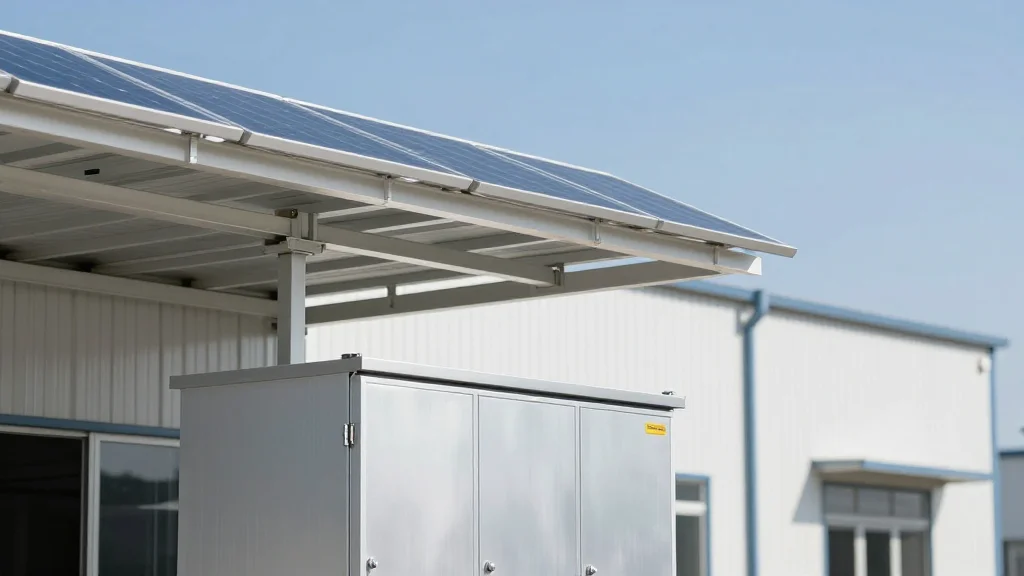
- •Siemens’ Wendell, NC plant achieved carbon neutrality using a 1.25‑MW solar carport and 3.9‑MWh battery microgrid.
- •The microgrid cuts grid consumption by approximately 2.5 MWh annually and provides backup power during outages.
- •Siemens’ President Brian Dula called the system one of the most advanced microgrids on the market.
- •Rep. Deborah Ross highlighted the project’s role in lowering energy costs and strengthening grid resilience.
- •The initiative supports Siemens’ corporate goal of net‑zero emissions by 2030 and includes on‑site EV charging.
Pulse Analysis
Siemens’ microgrid rollout is more than a corporate sustainability milestone; it signals a shift in how industrial firms view energy procurement. Historically, manufacturers have relied on bulk power purchase agreements or on‑site fossil‑fuel generators to meet reliability standards. By installing a solar‑plus‑storage system that can both offset emissions and guarantee uptime, Siemens challenges the conventional trade‑off between decarbonization and operational risk.
The technology stack—SICAM controllers, KACO inverters, SIPROTEC relays—illustrates a trend toward vertically integrated solutions where a single vendor supplies generation, storage, control, and load‑management hardware. This reduces integration complexity and may accelerate adoption across sectors that lack in‑house engineering capacity. Competitors such as Schneider Electric and ABB are already positioning similar offerings, suggesting a nascent market for turnkey industrial microgrids.
Looking ahead, the key question is scalability. While the Wendell installation is modest in absolute capacity, its modular design could be replicated at larger sites or aggregated across industrial parks to create virtual power plants. If Siemens can demonstrate cost‑competitiveness—especially as battery prices continue to fall—the model could become a standard component of corporate climate strategies, influencing both capital‑allocation decisions and regulatory frameworks that reward on‑site clean energy.
Siemens Hits Carbon‑Neutral Milestone at North Carolina Plant with 1.25‑MW Solar‑Battery Microgrid
Comments
Want to join the conversation?
Loading comments...