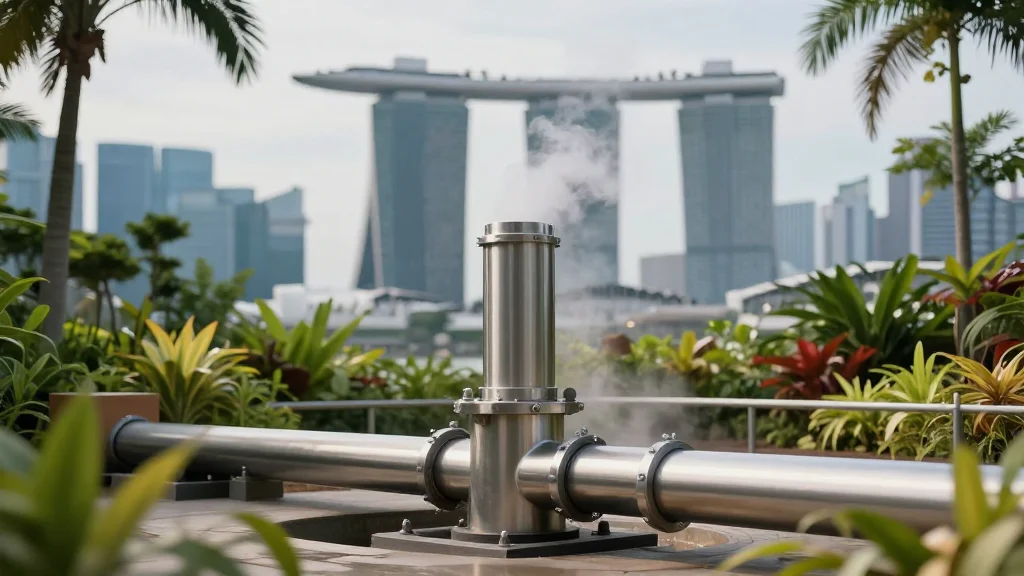
Singapore's EMA to Study Geothermal Energy Systems
Why It Matters
Geothermal could provide a domestic, low‑carbon energy source, reducing Singapore’s heavy dependence on imported natural gas and enhancing energy security. Successful deployment would signal a new diversification pathway for densely populated, land‑constrained economies.
Key Takeaways
- •EMA will launch geothermal feasibility study, consultant appointed by 2026.
- •Singapore lacks conventional geothermal resources, focusing on advanced technology.
- •Study follows 2024 assessment identifying potential subsurface heat zones.
- •Geothermal considered alongside nuclear and solar to diversify energy mix.
- •LNG imports 6.04 million tonnes in 2025, half from Qatar.
Pulse Analysis
Singapore’s energy strategy is at a crossroads. With natural gas supplying 95% of its power and land scarcity limiting solar expansion to roughly 10% of projected demand by 2050, the city‑state is hunting for alternatives that can be sourced domestically. Geothermal energy, traditionally associated with tectonically active regions, is being re‑examined through advanced drilling and heat‑exchange technologies that could tap deep‑earth warmth without the need for volcanic activity. EMA’s upcoming feasibility study builds on a 2024 survey that mapped promising thermal gradients beneath Singapore’s urban fabric, signaling a shift from conventional resource assumptions to innovative engineering solutions.
The study’s scope will assess technical viability, cost competitiveness, and integration pathways for geothermal power, district heating and cooling. By inviting external consultants, EMA hopes to leverage global expertise in Enhanced Geothermal Systems (EGS) and closed‑loop designs that minimize surface disruption—critical in a city where space is at a premium. If proven feasible, geothermal could complement solar and a potential nuclear option, creating a more resilient, low‑carbon mix that reduces reliance on imported LNG, which totaled 6.04 million tonnes in 2025, half of which came from geopolitically sensitive Qatar.
Beyond Singapore, the initiative may set a precedent for other high‑density economies seeking indigenous clean energy. Successful deployment would demonstrate that even regions without obvious geothermal reservoirs can harness subsurface heat, expanding the global geothermal market. Moreover, diversifying away from imported fossil fuels strengthens Singapore’s energy security amid supply chain disruptions, such as the recent challenges in the Strait of Hormuz. As the nation pursues its net‑zero by 2050 pledge, geothermal could become a cornerstone of a more balanced, climate‑aligned energy portfolio.
Singapore's EMA to study geothermal energy systems
Comments
Want to join the conversation?
Loading comments...