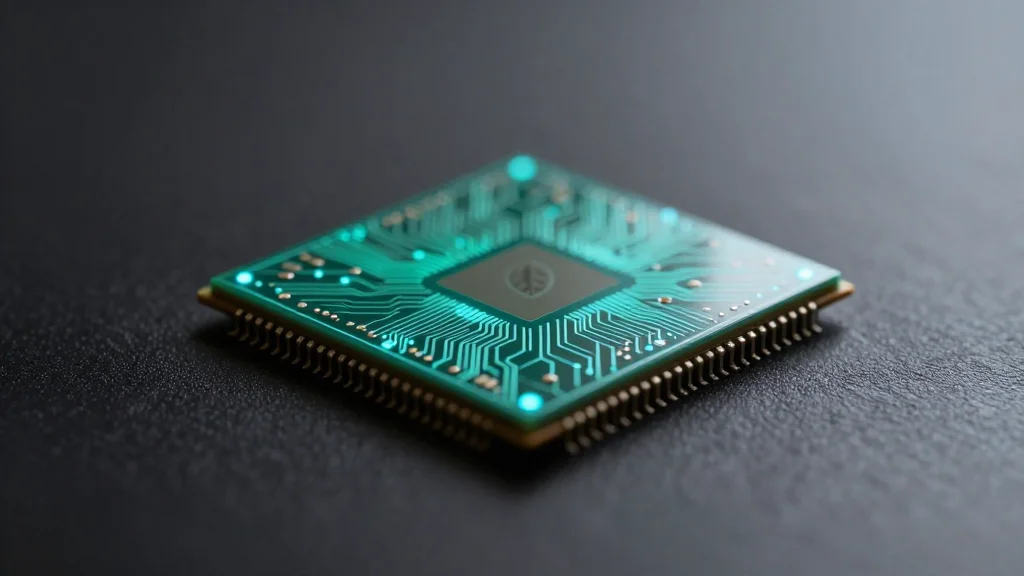
SiTime Pushes Precision Timing Chips to Slash AI Data‑centre Power Use

Why It Matters
Hardware‑level efficiency gains are essential for reconciling AI’s rapid growth with climate targets. As AI models become larger and more data‑intensive, the electricity required to train and run them threatens to outpace renewable supply, especially in regions with limited grid capacity. By tightening synchronization, SiTime’s timing chips address a hidden source of waste that software‑only solutions cannot fully eliminate. If widely adopted, the technology could lower the overall carbon footprint of AI services, making it easier for cloud providers to meet renewable‑energy commitments and for governments to justify new data‑centre approvals. The move also signals a broader industry trend: hardware manufacturers are increasingly framing performance improvements in terms of climate impact, a shift that could accelerate investment in low‑carbon compute infrastructure.
Key Takeaways
- •SiTime introduced precision timing chips aimed at reducing AI data‑centre power consumption.
- •The chips improve lock times, phase‑locked loop stability, and power‑gating to tighten operating margins.
- •Regulatory scrutiny of large data‑centre projects is rising in several U.S. states.
- •AI workloads for climate applications (weather, wildfire, grid optimisation) increase demand on electricity networks.
- •SiTime links its technology to carbon‑aware computing strategies that shift workloads to periods of cleaner energy.
Pulse Analysis
The timing chip announcement reflects a maturing view of energy efficiency that goes beyond traditional cooling and power‑supply upgrades. Historically, data‑centre operators have focused on macro‑level interventions—such as renewable procurement and advanced cooling—to curb emissions. SiTime’s focus on nanosecond‑level synchronization suggests that the next wave of savings will come from micro‑architectural refinements that enable higher utilization of existing hardware.
From a competitive standpoint, SiTime is entering a space dominated by established clock‑generator vendors like Texas Instruments and Analog Devices. Its differentiation lies in marketing the chips directly to climate‑focused use cases, a narrative that could resonate with cloud providers under pressure to demonstrate tangible emissions reductions. However, adoption will hinge on the ease of integrating the timing modules into existing server designs. If the integration requires substantial redesign, the cost‑benefit calculus may tilt against early deployment, especially for operators with entrenched supply chains.
Looking ahead, the success of SiTime’s timing solution could catalyze a cascade of hardware innovations aimed at the same problem—low‑jitter interconnects, smarter power‑gating, and adaptive voltage scaling. As AI workloads continue to expand, the industry may see a new class of “efficiency‑first” silicon that is evaluated as much on its carbon impact as on raw performance. SiTime’s move may therefore be an early indicator of a broader shift toward climate‑aligned hardware design, a trend that investors and policymakers will likely monitor closely.
SiTime pushes precision timing chips to slash AI data‑centre power use
Comments
Want to join the conversation?
Loading comments...