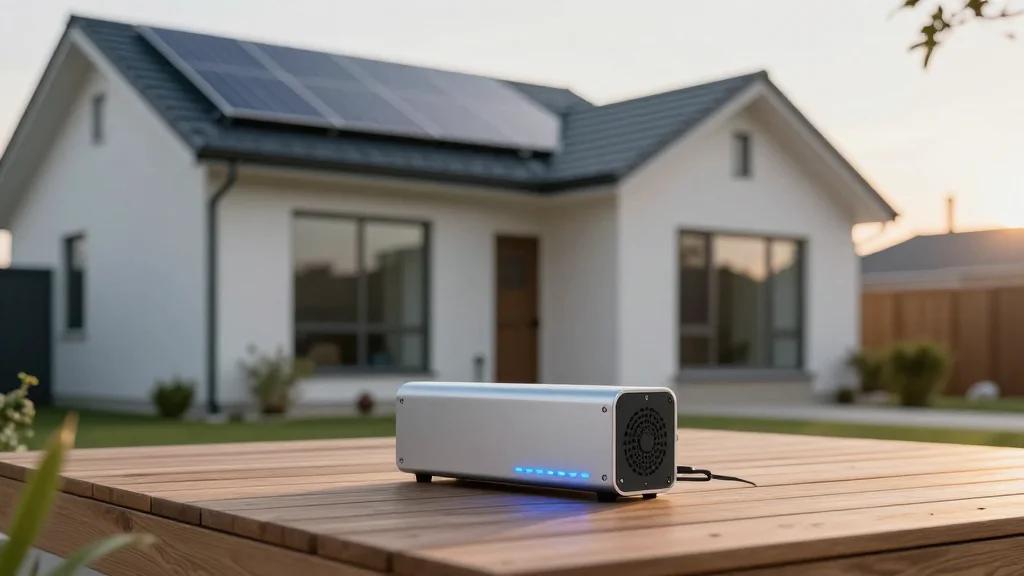
Span and Nvidia Launch XFRA: Distributed AI Nodes for Homes Target 1 GW by 2027

Companies Mentioned
Why It Matters
XFRA represents a convergence of the energy and AI sectors, turning underutilized residential power capacity into a scalable compute resource. By decentralizing AI workloads, the model reduces the need for massive, carbon‑intensive data‑center builds and shortens the time to market for new AI services. For utilities, the added flexibility can improve grid stability and create new revenue streams, while homeowners could see lower electricity bills or direct payments for hosting compute nodes. If the pilot proves viable, the approach could accelerate the deployment of AI services in regions where traditional data‑center construction is hampered by permitting delays, land constraints, or high carbon footprints. It also sets a precedent for other distributed‑infrastructure concepts, such as edge‑AI for IoT or community‑owned micro‑grids that double as compute farms.
Key Takeaways
- •Span and Nvidia announce XFRA, a distributed AI compute network for homes.
- •Proof‑of‑concept will install 100 nodes in new‑construction homes in Q3 2026.
- •Each node includes 16 Nvidia RTX Pro 6000 GPUs, 4 AMD EPYC CPUs, and 3 TB RAM.
- •Targeted scaling to >1 GW of annual compute capacity by 2027.
- •Model promises lower electric bills for homeowners and higher grid utilization for utilities.
Pulse Analysis
The XFRA initiative could be a game‑changer for the AI compute market, which has been dominated by megasized, power‑hungry data centers. By tapping the latent capacity of residential electrical service, Span and Nvidia are effectively creating a new class of edge compute that is both geographically distributed and grid‑integrated. This could compress the capital‑intensive timeline that currently stretches years, giving hyperscalers a faster, more flexible way to meet surging demand for AI training and inference.
Historically, the data‑center industry has faced mounting pressure to reduce its carbon footprint, with many operators turning to renewable energy purchases and location‑based incentives. XFRA sidesteps much of that pressure by leveraging existing residential infrastructure and pairing it with on‑site batteries and optional solar generation. If the revenue‑share model works, it could incentivize homeowners to adopt the technology, creating a virtuous cycle of higher grid utilization and lower per‑kilowatt costs.
However, the model also raises questions about data security, latency, and regulatory compliance. Distributed nodes will need robust physical and cyber protections, especially when operating in private homes. Moreover, utilities will have to adapt their demand‑response platforms to accommodate compute loads that can be throttled on demand. The success of the Q3 2026 pilot will likely hinge on how well these technical and policy challenges are addressed, setting the stage for broader adoption or a cautionary retreat.
Span and Nvidia Launch XFRA: Distributed AI Nodes for Homes Target 1 GW by 2027
Comments
Want to join the conversation?
Loading comments...