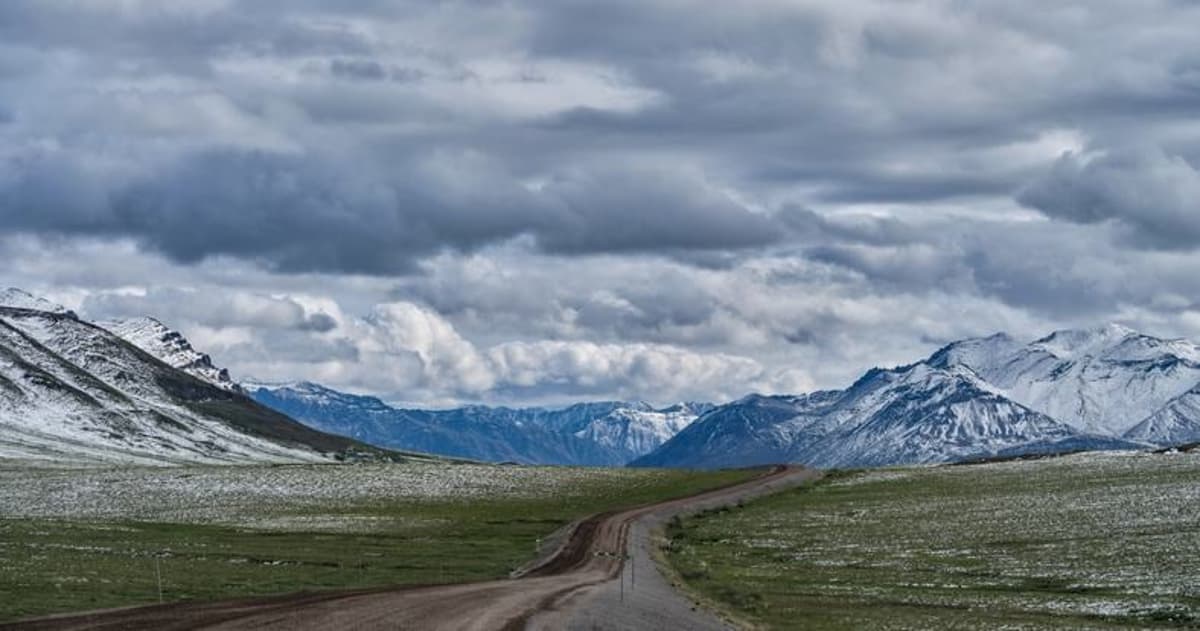
Stak Energy Proposes 3GW Natural Gas-Powered Data Center in Alaska's North Slope
Why It Matters
The development brings high‑performance computing to a remote, energy‑rich region, leveraging cheap natural‑gas power and Arctic cooling to lower operating costs for AI and cloud services. It also diversifies Alaska’s economy beyond oil by adding a strategic digital infrastructure asset.
Key Takeaways
- •Stak Energy plans 3 GW data center on 715 acres in Alaska
- •Initial 1 GW natural‑gas generation will power modular HPC units
- •Ambient Arctic cold will be used for efficient server cooling
- •Project targets cloud and AI workloads for oil‑gas producers
- •Construction begins 2026; operations expected by late 2028
Pulse Analysis
Alaska’s North Slope, traditionally dominated by oil and gas extraction, is poised to host a new kind of energy‑intensive asset: a natural‑gas‑powered data center. Stak Energy’s proposal leverages the region’s abundant natural‑gas reserves to fuel up to 1 GW of on‑site generation, while modular high‑performance computing (HPC) units can scale to a total of 3 GW. By situating the campus adjacent to the Dalton Highway and existing pipeline corridors, the project minimizes new infrastructure costs and taps into the logistical network that supports the Prudhoe Bay fields.
The strategic advantage of the Arctic environment lies in its sub‑zero ambient temperatures, which can be harnessed for free cooling—a critical factor for high‑density servers used in AI model training and cloud services. This natural cooling reduces the need for energy‑intensive chillers, driving down operational expenditures and improving sustainability metrics. Moreover, the data center will cater to the digital workloads of regional oil‑gas operators, offering low‑latency processing for seismic analysis, real‑time monitoring, and predictive maintenance, thereby enhancing the efficiency of existing energy production.
Beyond the immediate technical benefits, the project signals a diversification push for Alaska’s economy. By attracting high‑tech infrastructure, the state can create skilled jobs, stimulate ancillary services such as fiber‑optic networking, and position itself as a niche hub for edge computing in extreme climates. As the U.S. Department of the Air Force also seeks to lease Alaska land for data‑center use, Stak’s initiative may catalyze broader federal and private investment, reshaping the region’s energy and technology landscape.
Stak Energy proposes 3GW natural gas-powered data center in Alaska's North Slope
Comments
Want to join the conversation?
Loading comments...