State’s 100 Neighbourhood Batteries Program Hits 139 Installs, 23 MWh of Storage
•February 23, 2026
0
Why It Matters
By decentralising storage, the program directly reduces electricity costs for residents while bolstering grid stability, accelerating Victoria’s transition to a renewable‑heavy energy mix.
Key Takeaways
- •139 neighbourhood batteries installed across Victoria
- •Combined storage capacity now 23 MWh
- •Program targets 2.6 GW storage by 2030
- •Truganina battery saves ~$20k annually
- •Batteries span 60 local government areas
Pulse Analysis
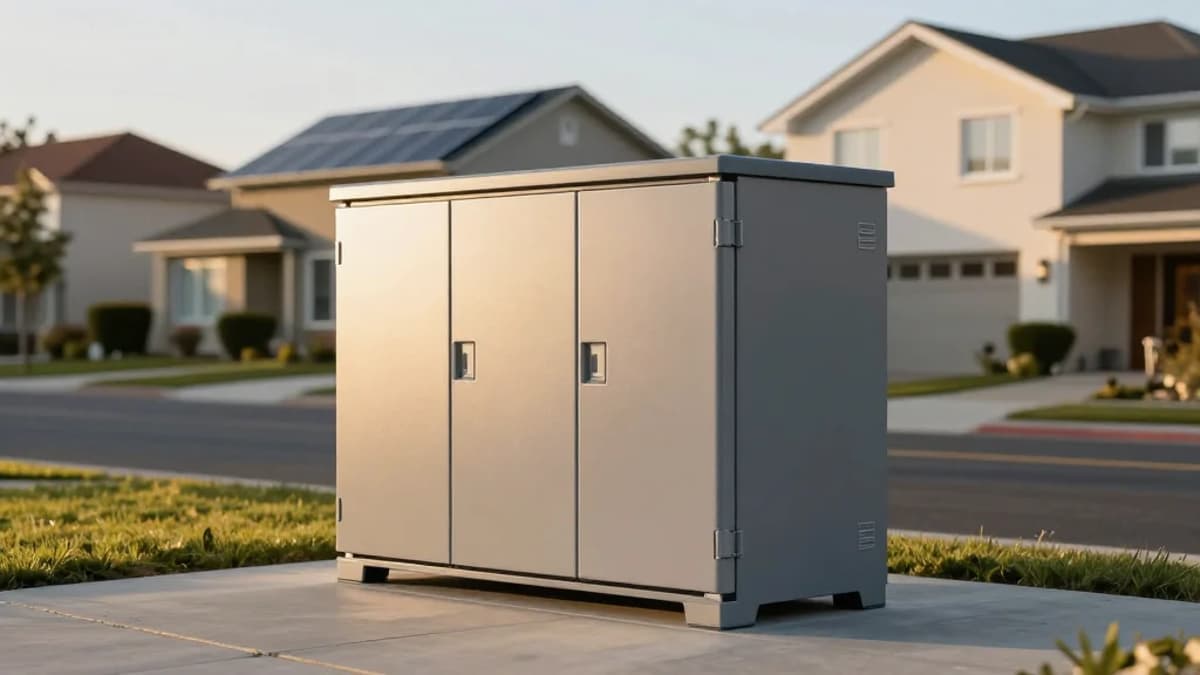
Victoria’s 100 Neighbourhood Batteries initiative, originally conceived to place 100 community‑scale storage units, has already exceeded its first milestone with 139 batteries delivering 23 MWh of capacity. The program is a cornerstone of the state’s broader energy strategy, which seeks 2.6 GW of distributed storage by 2030 and 6.3 GW by 2035. By locating batteries in schools, community centres and other public hubs, the government is creating a network that can absorb excess solar generation and release it during peak demand, smoothing the load on the central grid.
The financial impact on local communities is immediate. The Truganina Community Centre, the latest site, is projected to save about $20,000 each year, a figure that mirrors savings expected at other installations. These cost reductions stem from reduced reliance on expensive peak‑time electricity and the ability to participate in demand‑response programs. Beyond the economics, the batteries enhance energy resilience, providing backup power during outages and supporting critical services such as health and youth programs.
On a macro level, Victoria’s distributed storage push aligns with national objectives to integrate higher shares of renewable energy. By dispersing storage capacity, the state mitigates transmission constraints and reduces the need for large, centralized battery farms. The success of the neighbourhood model offers a template for other Australian jurisdictions aiming to meet aggressive decarbonisation targets while keeping electricity affordable for households.
State’s 100 Neighbourhood Batteries Program hits 139 installs, 23 MWh of storage
0
Comments
Want to join the conversation?
Loading comments...